

Anti-inflammatory smoothie recipe days are my favorite kind of self care, especially when I wake up feeling puffy, achy, or just kind of blah. If you are trying to eat well but still want something fast, smoothies can feel like a little cheat code. The trick is keeping it simple enough that you actually do it on busy mornings. I like to make a few freezer packs ahead of time so I can blend and go, and this guide helped me a ton: smoothie meal prep guide with simple tips for delicious packs. In this post, I am sharing my go to blend plus the ingredient swaps that keep it tasty and not boring. 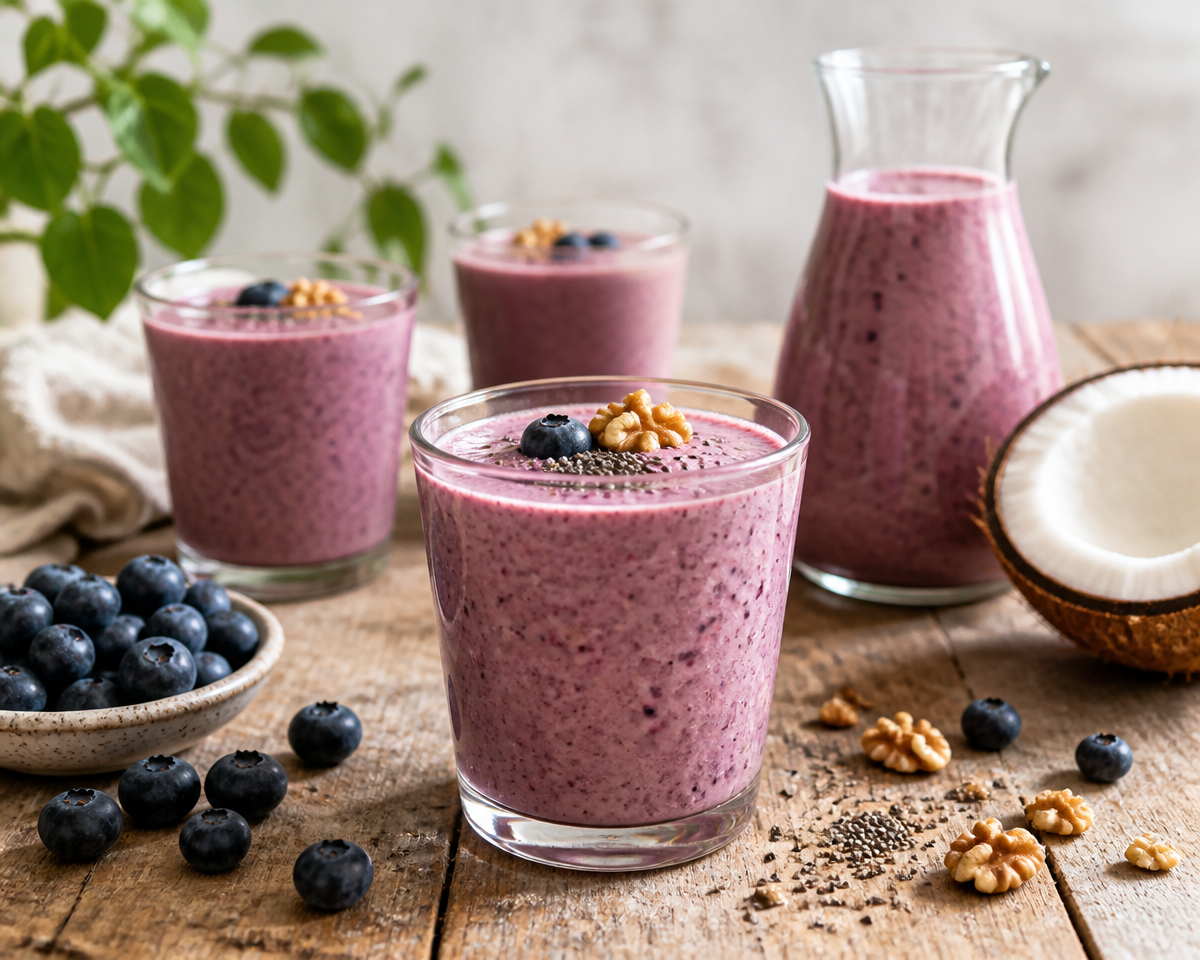
How Can Smoothies Help Reduce Inflammation Naturally?
First, a quick real life note: I am not here to promise magic cures. But I have noticed that when I lean on whole foods like berries, leafy greens, ginger, and healthy fats, I feel more comfortable in my body. Less sluggish. Less snacky. And my digestion is usually happier too.
Smoothies help because they make it easy to pack in foods that are known for being rich in antioxidants and plant compounds. Those are the nutrients that support your body as it deals with everyday stress, workouts, and not enough sleep. Also, when you blend fiber rich ingredients, you are more likely to actually eat them, which matters.
Here is what I focus on when I want a smoothie to be inflammation friendly:
1) Color: berries, cherries, greens, and even orange stuff like mango or carrot.
2) Healthy fat: chia, flax, walnuts, or avocado to keep you full.
3) Spice and zing: ginger and turmeric make it feel alive, not flat.
4) Protein: yogurt, kefir, or protein powder helps it last until lunch.
And if you are a berry person, you might love this bright and refreshing option too: berry green smoothie recipe antioxidant powerhouse. It is one of those blends that tastes like a treat but still feels like a smart choice. 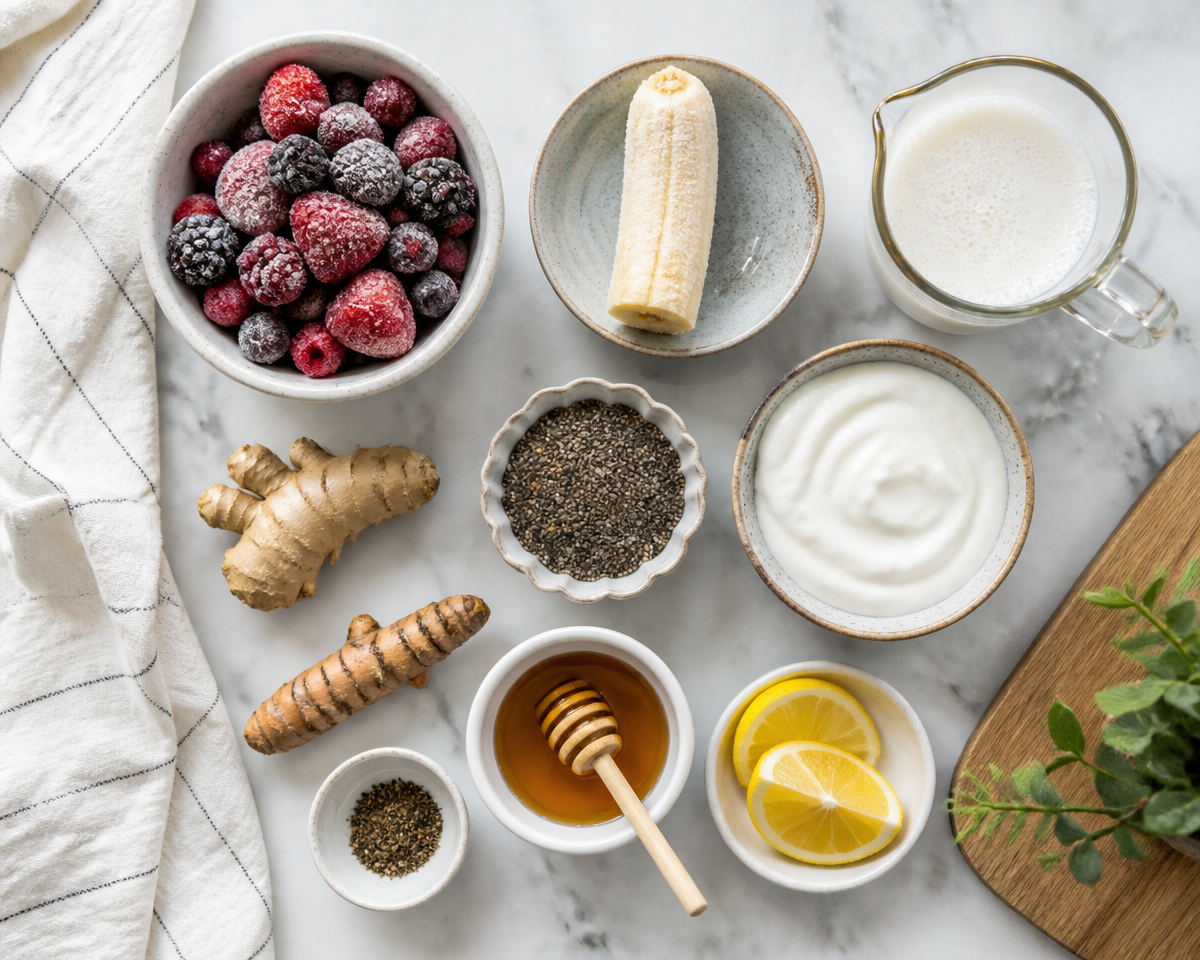
Top Anti-Inflammatory Smoothie Recipes to Boost Daily Wellness
Ok, here is my everyday favorite. It is creamy, lightly sweet, and has that spicy little kick that makes you feel like you are doing something good for yourself.
My go to creamy turmeric berry smoothie
What you will need
- 1 cup frozen mixed berries (blueberries and strawberries are my usual)
- 1 small frozen banana (half is fine if you want it less sweet)
- 1 cup unsweetened almond milk (or oat milk)
- 1/2 cup plain Greek yogurt or unsweetened coconut yogurt
- 1 tsp grated fresh ginger (or 1/4 tsp ground)
- 1/2 tsp turmeric
- Pinch of black pepper (tiny pinch, but it matters)
- 1 tbsp chia seeds
- Optional: 1 tsp honey or maple syrup if your berries are super tart
- Optional: squeeze of lemon to brighten it up
How I blend it
- Add liquid first, then yogurt, then frozen fruit on top.
- Blend for 45 to 60 seconds until smooth.
- If it is too thick, add a splash more milk. If it is too thin, toss in a few ice cubes or extra frozen berries.
My little tip: turmeric can stain, so rinse your blender quickly. I learned that the hard way after a busy morning and a very yellow blender lid.
If you want another cozy flavor twist, this one is seriously comforting: blackberry cinnamon smoothie recipe. Cinnamon makes a smoothie feel like breakfast dessert, in the best way. 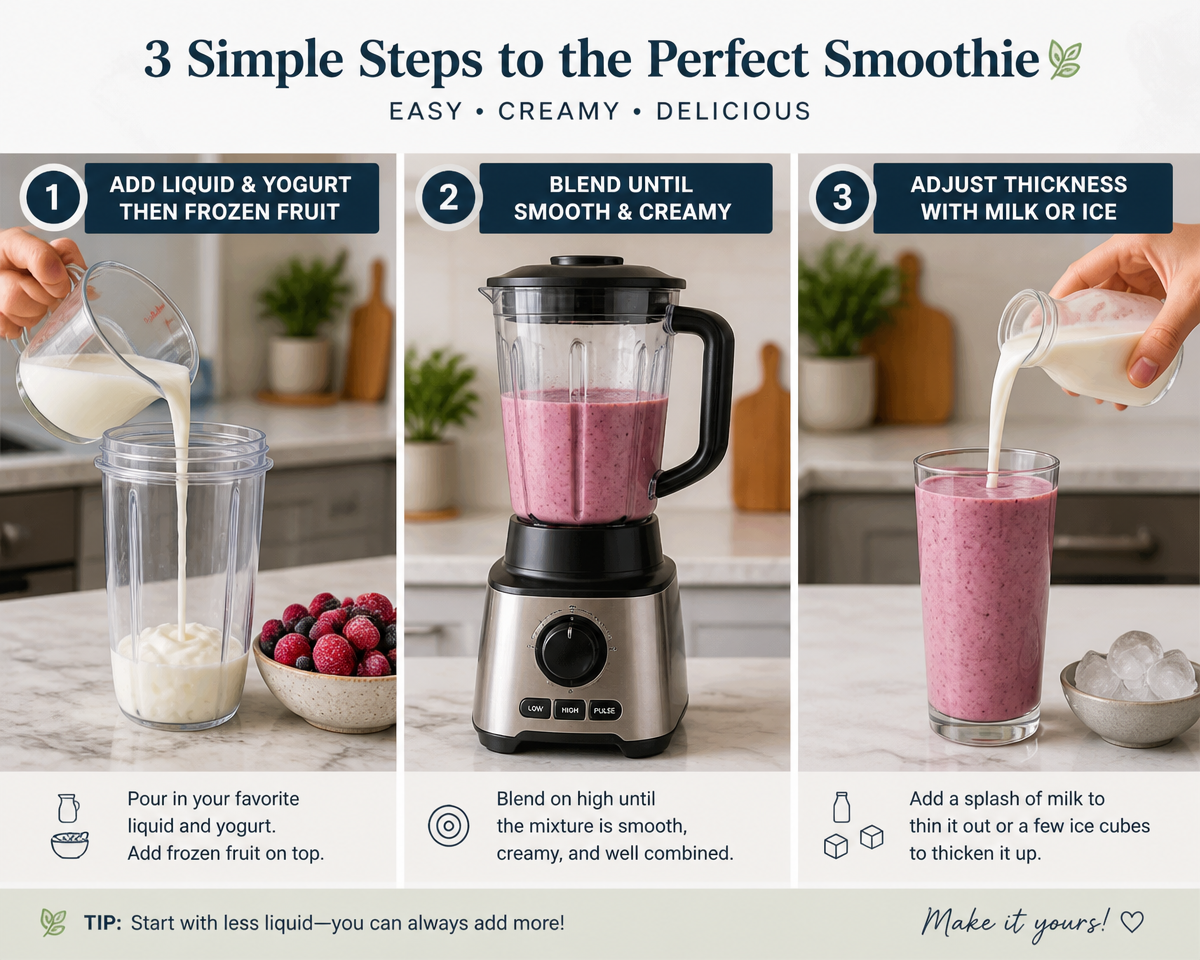
Turmeric, Ginger, and Other Antioxidant-Rich Ingredients to Add
Turmeric and ginger are the headliners for a reason. They bring that warm, spicy vibe, and they pair surprisingly well with fruit. But you have options if one of them is not your thing.
Easy add ins that actually taste good
These are the ingredients I rotate through so I do not get bored:
Fresh ginger: spicy, bright, and wakes up the whole smoothie.
Turmeric: earthy and warm. Use a small amount and build up.
Black pepper: just a pinch with turmeric. You will not taste it, but it helps.
Spinach: mild flavor, big nutrient boost. Start with a handful.
Frozen cherries: tart and bold, and they cover up a lot of “green” taste.
Citrus: lemon or orange adds a clean finish and makes berries pop.
Cacao: a teaspoon makes it feel like a chocolate smoothie without going full milkshake.
When I want something extra zippy, I go for ginger with berries, and this recipe is a good one to check out: blackberry ginger smoothie recipe. That combo has a nice bite to it, especially if you like smoothies that do not taste too sweet.
“I tried your turmeric ginger smoothie for a week instead of my sugary coffee drink. I did not expect to like it, but now I crave it. My afternoon slump is way better too.”
Healthy Smoothie Ideas with Omega-3s, Chia Seeds, and Gut-Friendly Foods
Let us talk about the stuff that makes a smoothie feel like a real meal, not a fruity drink that leaves you hungry 30 minutes later. For me, that is where omega 3s, fiber, and gut friendly foods come in.
My simple “make it filling” formula
I usually pick one from each group:
Omega 3 and healthy fats
Chia seeds are my everyday choice because they are easy and they thicken the smoothie. Ground flax also works. If you have walnuts, a small handful blends well too.
Gut friendly basics
Plain Greek yogurt is my go to for protein and creaminess. Kefir is another great option if you like it drinkable and tangy. If you do dairy free, choose an unsweetened yogurt and consider adding a little extra protein.
Fiber boosters
Berries, spinach, chia, and even a spoonful of oats can help. Oats make it taste like breakfast, especially with cinnamon.
When you want more green focused ideas, this roundup is worth saving: best green smoothie recipes energy boost. It is helpful when you are staring into the freezer thinking, what am I even making today.
Also, if you like smoothie bowls, that can be a fun switch on weekends when you want to slow down and actually sit. This one is pretty and satisfying: berry detox smoothie bowl recipe. I add pumpkin seeds on top for crunch.
How to Keep Smoothies Low-Sugar and Nutrient-Dense
This part matters, because a smoothie can quietly turn into a sugar bomb if you are not paying attention. I have done it. A little fruit is great, but when you add fruit juice, sweetened yogurt, and a bunch of tropical fruit, it adds up fast.
Here is what keeps my Anti-inflammatory smoothie recipe balanced without tasting like grass:
Use whole fruit, not juice: juice takes away most of the fiber and makes it easier to overdo the sweetness.
Pick unsweetened milk and yogurt: check labels. “Vanilla” usually means extra sugar.
Go heavier on berries: berries are lower sugar than mango or pineapple, and they still taste amazing.
Cut banana in half: banana is great for creaminess, but you do not always need a full one.
Add lemon and spice: citrus and ginger make a smoothie taste sweet even when it is not.
Think in balance: fruit plus fat plus protein, every time.
One more thing: if you are using turmeric, start small. Too much can make your smoothie taste earthy in a not fun way. For my everyday Anti-inflammatory smoothie recipe, a half teaspoon is the sweet spot.
Common Questions
1) Can I make this Anti-inflammatory smoothie recipe without yogurt?
Yes. Use a creamy alternative like unsweetened coconut yogurt, or skip it and add half an avocado for thickness. You may want a bit more protein from a powder or hemp seeds.
2) What if I only have ground ginger and turmeric?
That works. Use less than you think at first, especially with ground ginger. You can always add more after a taste test.
3) How do I meal prep this so mornings are easier?
Make freezer packs with the fruit, ginger, turmeric, and chia. In the morning, dump the pack in the blender and add milk and yogurt. I do three to five packs at a time.
4) Can kids drink it?
Usually yes, but I would go lighter on ginger and turmeric for a kid friendly version. Add a little cinnamon and keep the flavor gentle.
5) How long does it keep in the fridge?
It is best fresh, but you can store it in a sealed jar for up to 24 hours. Shake it well before drinking since it will separate a bit.
A simple smoothie habit you can actually keep
If you take one thing from this post, let it be this: you do not need a perfect routine, you just need a repeatable one. My everyday Anti-inflammatory smoothie recipe works because it is quick, it tastes good, and it helps me feel more steady through the day. If you want more ideas to keep things interesting, I like browsing lists like 17 Smoothie Recipes to Help Keep Inflammation At Bay and this one too: 5 Anti-Inflammatory Smoothies – Clean Eating Magazine. Try my base recipe, tweak one thing at a time, and pay attention to how you feel. And if you find a combo you love, keep it on repeat for a week and make it easy on yourself. 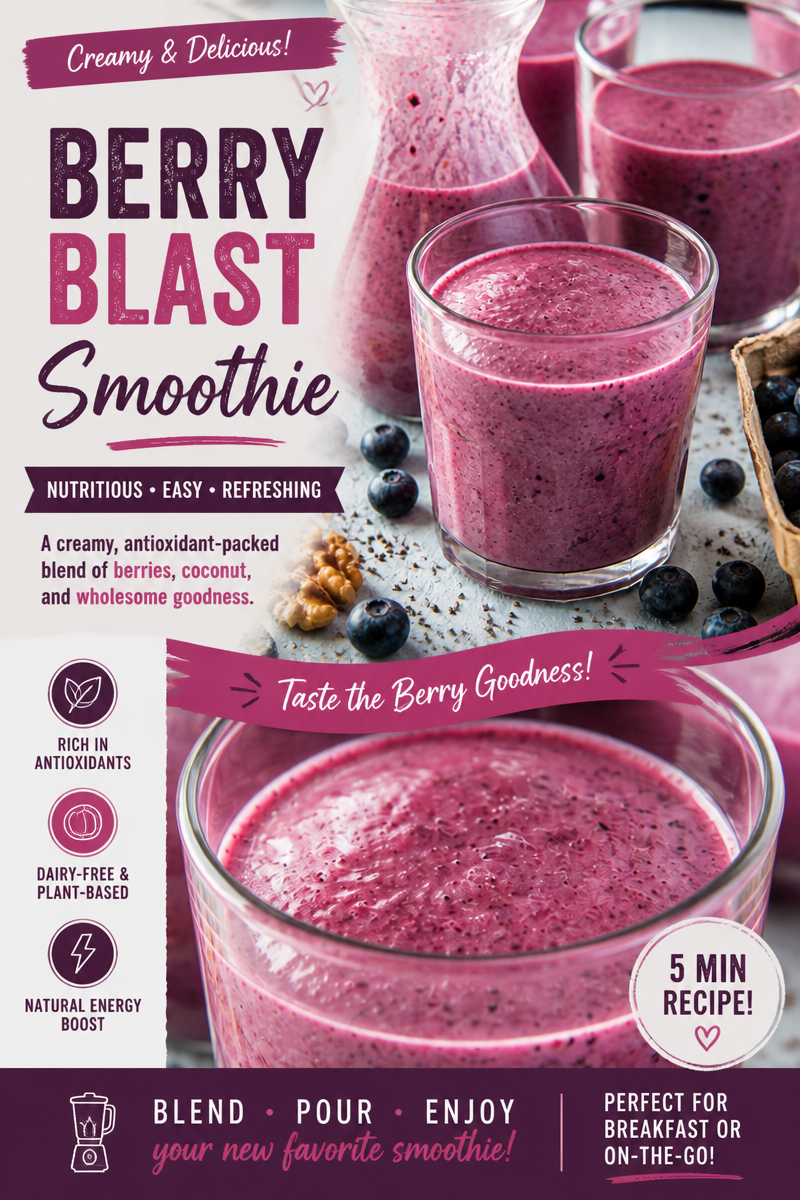

Creamy Turmeric Berry Smoothie
- Total Time: 5 minutes
- Yield: 1 serving 1x
- Diet: Vegetarian
Description
A refreshing and creamy smoothie packed with anti-inflammatory ingredients, perfect for a quick breakfast.
Ingredients
- 1 cup frozen mixed berries (blueberries and strawberries)
- 1 small frozen banana (or half for less sweetness)
- 1 cup unsweetened almond milk (or oat milk)
- 1/2 cup plain Greek yogurt (or unsweetened coconut yogurt)
- 1 tsp grated fresh ginger (or 1/4 tsp ground)
- 1/2 tsp turmeric
- Pinch of black pepper
- 1 tbsp chia seeds
- Optional: 1 tsp honey or maple syrup
- Optional: squeeze of lemon
Instructions
- Add liquid first, then yogurt, then frozen fruit on top.
- Blend for 45 to 60 seconds until smooth.
- If it is too thick, add a splash more milk.
- If it is too thin, toss in a few ice cubes or extra frozen berries.
Notes
Turmeric can stain, so rinse your blender quickly after use.
- Prep Time: 5 minutes
- Cook Time: 0 minutes
- Category: Breakfast
- Method: Blending
- Cuisine: American
Nutrition
- Serving Size: 1 serving
- Calories: 240
- Sugar: 15g
- Sodium: 150mg
- Fat: 8g
- Saturated Fat: 1g
- Unsaturated Fat: 6g
- Trans Fat: 0g
- Carbohydrates: 38g
- Fiber: 6g
- Protein: 8g
- Cholesterol: 5mg