

Functional mushroom coffee benefits were not even on my radar until I hit that annoying cycle of loving coffee but not loving how coffee loved me back. You know the vibe: a strong cup feels amazing for 20 minutes, then I get jittery, snacky, and somehow tired again. I started looking for a gentler daily routine and, funny enough, it began the same way my smoothie habit did when I learned to plan ahead with this smoothie meal prep guide. That tiny bit of prep changed everything. So I tried mushroom coffee, kept it simple, and paid attention to how I felt.
I’m not here to promise magic or pretend it tastes like a forest floor. It mostly tastes like coffee, just a little softer and less sharp. And if you’ve been curious but skeptical, I get it. Let’s talk about what it is, what it can do, and what to watch out for.
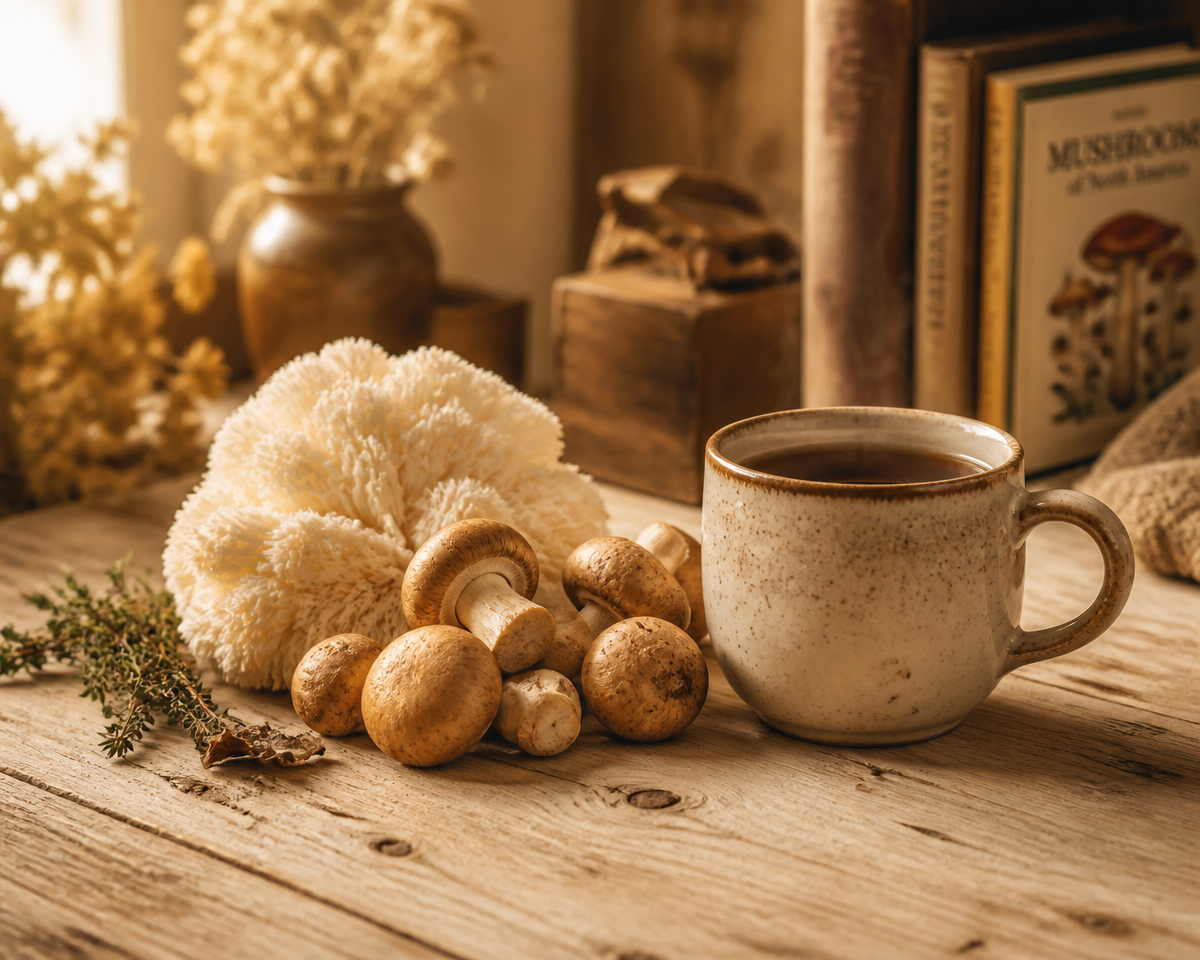
What is mushroom coffee?
Mushroom coffee is basically regular coffee mixed with extracts from functional mushrooms. Important note: these are not the trippy kind. They’re mushrooms like lion’s mane, reishi, chaga, cordyceps, and turkey tail, usually dried and extracted, then blended into instant coffee or ground coffee.
The goal is not to replace coffee with mushrooms. It’s more like adding a second team to your cup, so you still get that cozy coffee ritual, but potentially with a smoother energy curve. Most brands use less caffeine than a standard cup, but it depends on the blend. Some taste almost identical to coffee, and others have a mild earthy note like cacao or toasted grains.
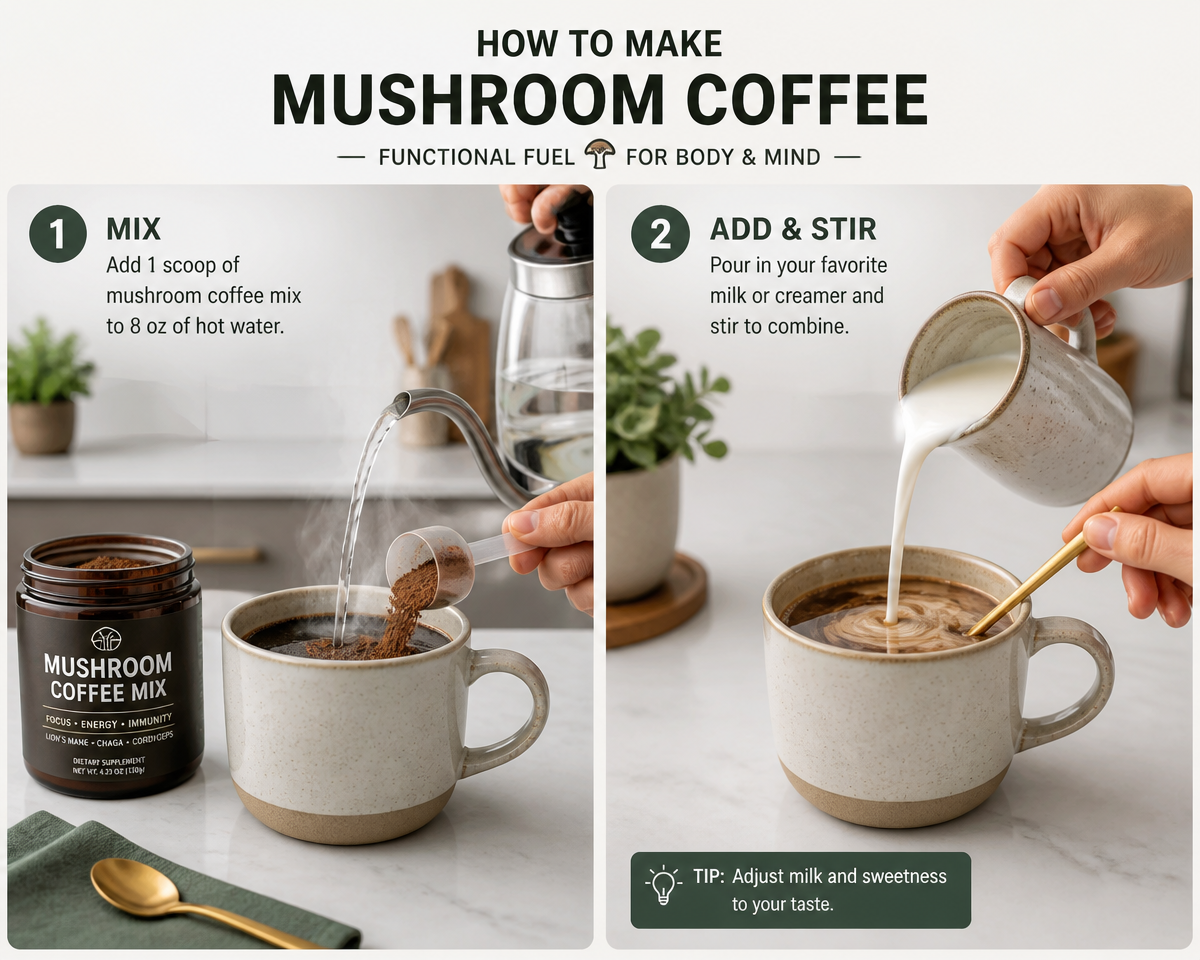
When I first tried it, I made it the least fancy way possible: hot water, a scoop of mushroom coffee mix, splash of milk. Later I started treating it like a recipe. Some mornings I’ll pair it with a snack like those sweet, swirly cinnamon knots with coffee icing when I want a real coffeehouse moment at home.
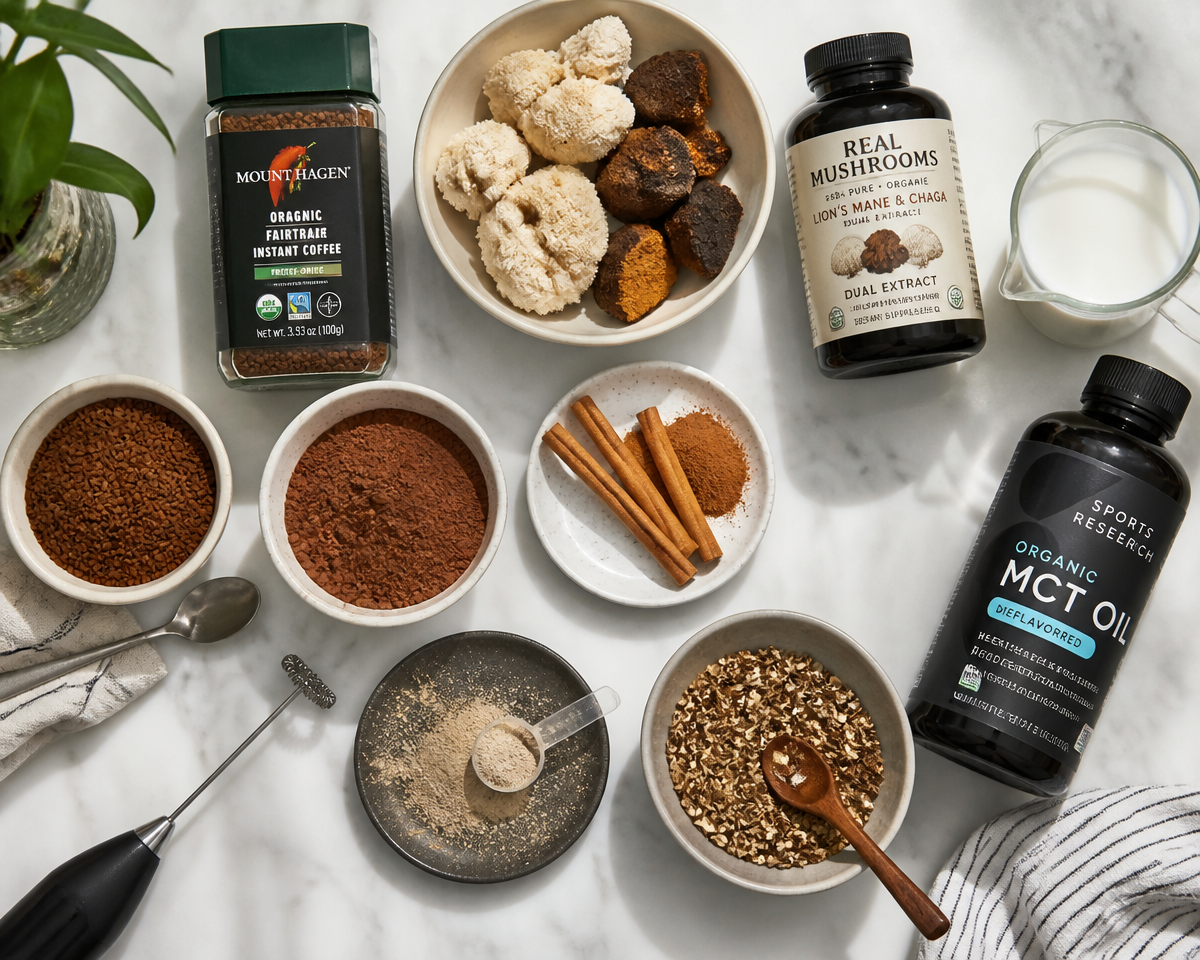
Here’s what’s usually inside a basic mushroom coffee blend:
- Coffee (instant or ground)
- Functional mushroom extract (often lion’s mane and chaga in morning blends)
- Sometimes extras like cacao, cinnamon, MCT, or adaptogenic herbs
What matters most is the word “extract.” You’re usually not drinking straight mushroom powder. Extracts concentrate certain compounds, and reputable companies will say the type of extract and how much you get per serving.
What are the potential health benefits of mushroom coffee?
This is where the hype gets loud online, so I’m going to keep it grounded. The potential perks people talk about are usually tied to two things: less caffeine than regular coffee, and the specific mushrooms used.
When I swapped my second cup of regular coffee for a mushroom blend, the biggest change I noticed was how steady I felt. Not wired, not sleepy. Just… normal. Which is honestly underrated.
Potential benefits people often report include:
1) Smoother energy and fewer jitters
If the blend has less caffeine, you might feel less shaky or anxious. This is one of the most believable benefits because it is basically caffeine math.
2) Better focus and mental clarity
Lion’s mane is the star here. Some folks feel more “locked in,” especially for desk work. I notice it most on mornings when I slept okay but not amazing.
3) Immune support vibes
Chaga and turkey tail are popular for immune support because they contain beta glucans and antioxidants. I consider this more of a long game benefit, not a “drink this today, never get sick” situation.
4) Gut friendliness for some people
This one depends on your body. Some people find mushroom coffee easier on the stomach than regular coffee. Others do not, especially if the blend includes extras like inulin or a lot of additives.
It also fits nicely into a “small upgrades” routine. Like how adding something simple to drinks can be an easy win. For example, I’ve played around with maca root powder in drinks for that malty taste and gentle boost, and I’ll rotate it depending on the week.
And if you’re already someone who likes functional add ins, you’ll probably enjoy it. I’ve even done a green smoothie day and coffee day combo when I’m trying to feel extra on track, like using chlorophyll drops in smoothies earlier, then mushroom coffee later. Not because it’s trendy, but because it helps me stick to hydration and routine.
Scientifically Supported Benefits
Okay, science time, but I promise I’ll keep it human. Research on functional mushrooms is real, but mushroom coffee itself is tricky to study because products vary a lot. So most evidence is about the mushrooms, not the coffee blend you buy at the store.
Here’s what seems most supported, in plain language:
Lion’s mane and brain support
Lion’s mane has research interest for cognition and nerve related benefits. Some studies suggest it may support memory and focus over time. Do I think one cup will turn me into a productivity robot? No. But as part of a routine, it’s one of the more reasonable claims.
Chaga and antioxidant activity
Chaga is packed with antioxidants. That doesn’t automatically mean you’ll feel something instantly, but it’s why people consider it a wellness ingredient. Antioxidants help your body handle oxidative stress, which is a normal process, not a moral failing.
Reishi for stress and sleep support
Reishi is often used in wind down blends. If you see a mushroom coffee with reishi plus low caffeine, it may be aiming for calmer energy. Personally, I like reishi more in the afternoon than first thing in the morning.
Cordyceps and performance
Cordyceps gets talked about for stamina and exercise support. If you’re a “coffee before a walk” person, a cordyceps blend might be fun to test. I notice it most when I take a long walk after breakfast and want steady energy without the jitters.
A practical benefit that is very real: reduced caffeine
If mushroom coffee helps you cut caffeine without feeling deprived, that’s a legit benefit. For me, that’s the quiet hero of the whole thing.
“I switched to mushroom coffee on workdays because regular coffee made me anxious by noon. After a week, I felt more even and I wasn’t crashing at 3 pm anymore.”
If you want a cozy cafe style drink without overthinking it, you can even use the same fluffy topping idea from this easy dalgona coffee and just swap the base coffee with your mushroom blend. It’s honestly a treat.
Common Myths vs. Scientific Reality
Mushroom coffee has a lot of bold claims floating around. Here’s my friendly reality check, because you deserve one.
Myth: Mushroom coffee has no caffeine.
Reality: Many blends still have caffeine, just often less than regular coffee. Always check the label.
Myth: It tastes like mushrooms.
Reality: Most taste like mellow coffee. Some are slightly earthy, especially if they add reishi or cacao. If you can drink coffee with a little dark chocolate vibe, you’ll probably be fine.
Myth: It will “detox” you.
Reality: Your body already detoxes with your liver and kidneys. What you can do is support your body with sleep, hydration, and balanced food. If you like the ritual of a wellness drink, cool. Just don’t let marketing guilt you.
Myth: It cures anxiety or depression.
Reality: No beverage should claim that. Some people feel calmer because they’re drinking less caffeine, and that makes sense. But mental health is bigger than a drink mix.
Myth: More is always better.
Reality: With functional ingredients, more is not always better. Start small and see how you feel.
One thing I love about exploring drinks from different cultures is how they’re often about routine and comfort, not miracle claims. Like when I started making jamu, the Indonesian turmeric ginger drink, I did not expect it to “fix” me. I just wanted something warming and grounding. Same energy here.
Potential Side Effects
Even though it feels like a friendly wellness drink, mushroom coffee can still cause issues for some people. Here’s what I’d watch for, based on common sense and how functional mushrooms can interact with different bodies.
Possible side effects include:
- Digestive upset like bloating or nausea, especially if you’re sensitive
- Allergic reactions if you have mushroom allergies
- Sleep disruption if you drink it too late and the blend has caffeine
- Medication interactions especially with blood thinners, immune suppressing meds, or diabetes meds, depending on the mushroom and dose
If you’re pregnant, breastfeeding, have an autoimmune condition, or take regular medications, it’s smart to check with your clinician. I know that sounds like the boring disclaimer, but it’s the real life part of being careful with supplements.
Also, quality matters. I’d rather buy a simple blend from a brand that clearly lists ingredients and dosage than a “proprietary super mix” that tells me nothing.
My personal “try it safely” checklist
I do this when I test any new functional drink:
- Start with half a serving for a few days
- Do not stack it with a giant energy drink kind of morning
- Notice sleep, digestion, and anxiety levels
- Keep the ingredient list short at first
Common Questions
Does mushroom coffee actually work?
It depends what “work” means to you. For me, the Functional mushroom coffee benefits show up as steadier energy and fewer jitters, not a dramatic transformation.
Will it replace my regular coffee?
Maybe, maybe not. I do mushroom coffee on weekdays and regular coffee on slow weekend mornings. Having both is allowed.
Can I drink it every day?
Most people can, but start slow and pay attention to how you feel. And keep an eye on caffeine, because some blends are stronger than you expect.
What is the best way to make it taste good?
A pinch of cinnamon, a splash of vanilla, or a little milk makes it cozy fast. If you like it sweet, try maple syrup instead of white sugar.
Is it okay for people with sensitive stomachs?
Sometimes yes, sometimes no. Some people find it gentler than coffee, others get bloated. Start small, and pick a blend without a ton of extra additives.
A cozy last sip before you try it
If you’re curious, my biggest advice is to treat this like an experiment, not a promise. The Functional mushroom coffee benefits can feel subtle but genuinely helpful if your goal is calmer mornings and a smoother kind of energy. If you want a more evidence based read, I like how balanced these are: Mushroom coffee: Worth a taste? – Harvard Health and Mushroom Coffee: Is It Healthier Than Your Average Cup of Joe?. Now go make a cup the simple way, take a sip, and see how your body reacts, because that’s the feedback that matters most.
Print
Mushroom Coffee
- Total Time: 5 minutes
- Yield: 1 serving
- Diet: Vegan
Description
A gentle coffee blend mixed with functional mushroom extracts for smoother energy and reduced jitters.
Ingredients
- Coffee (instant or ground)
- Functional mushroom extract (lion’s mane, chaga, etc.)
- Optional extras (cacao, cinnamon, MCT, herbs)
Instructions
- Boil water.
- Mix a scoop of mushroom coffee with hot water.
- Add a splash of milk if desired.
- Stir until combined.
Notes
Start with a small serving and pay attention to how your body responds.
- Prep Time: 5 minutes
- Cook Time: 0 minutes
- Category: Beverage
- Method: Mixing
- Cuisine: Global
Nutrition
- Serving Size: 1 serving
- Calories: 50
- Sugar: 0g
- Sodium: 5mg
- Fat: 1g
- Saturated Fat: 0g
- Unsaturated Fat: 1g
- Trans Fat: 0g
- Carbohydrates: 10g
- Fiber: 2g
- Protein: 2g
- Cholesterol: 0mg