

Clean label healthy snacks are basically my little lifeline on those days when I am hungry at 3 pm, dinner is still far away, and I do not want to crash after eating something sugary. I used to grab whatever was closest, then feel annoyed when the ingredient list looked like a science project. Now I keep a few simple options on hand and I also do a bit of planning, especially with smoothies and snack packs. If you like that kind of grab and go setup, I have been using this guide a lot lately: smoothie meal prep guide with simple tips for delicious packs. The best part is that you can still satisfy every craving, salty, sweet, crunchy, creamy, without feeling like you compromised.
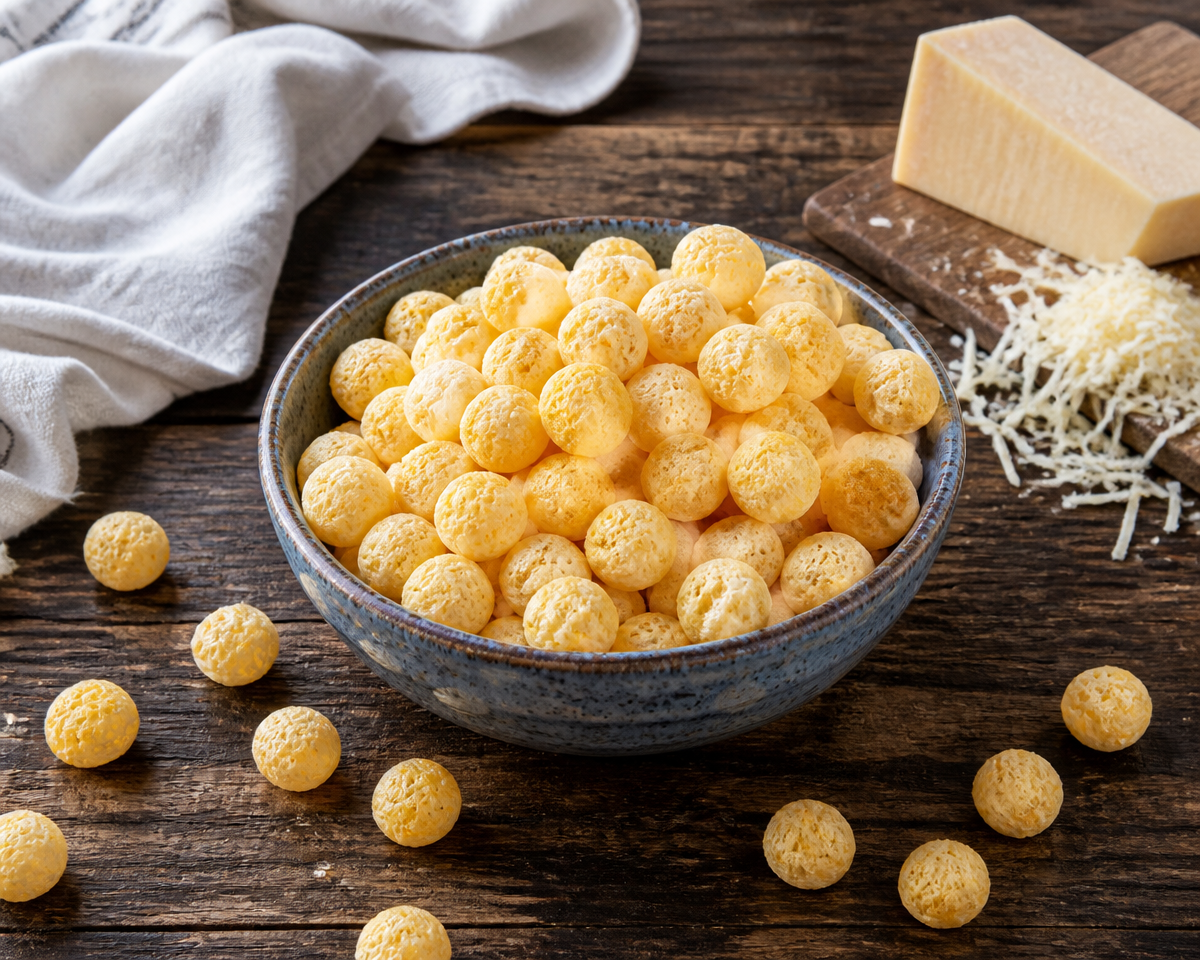
Consumer Motivations for Clean Label Products
Let us be real, most of us are not trying to be perfect. We just want snacks that make us feel good and do not leave us guessing. When I started paying attention to labels, it was not because I wanted to follow a trend. It was because I noticed certain snacks made me feel sluggish or weirdly thirsty, and I wanted to know why.
Here is what I see motivating people, and honestly what motivates me too:
- Simple ingredient lists that you can actually read without Googling half the words.
- Less added sugar, especially in snacks that pretend to be healthy but taste like candy.
- Better energy that feels steady, not a quick spike and a crash.
- Digestive comfort, because snacks should not leave you feeling bloated.
- Trust, which is a big deal when you are feeding kids or sharing snacks with family.
I also think motivation is tied to routines. For example, I started swapping my afternoon cookie habit for things like chia pudding. It still feels like a treat, but it is way more filling. If you want a super easy one, this is my go to: delicious blueberry chia pudding.
Clean label healthy snacks are not about being strict. For me, they are about making snack time easier, with fewer regrets and fewer mystery ingredients.
Key Trends in High-Fat Low-Carbohydrate Snacks
I have noticed a big shift in what people keep in their pantry. Even friends who do not follow a specific plan still want snacks that keep them full. That is where the high fat, low carb style snacks have really taken off. Done right, they can be satisfying in a way that a low fat rice cake never will be.
Some trends I keep seeing (and buying) include:
1) Nuts and nut butter packs
These are the classic. Almond butter, peanut butter, even sunflower seed butter for people avoiding nuts. I like them with apple slices or a few dark chocolate chips mixed in.
2) Cheese crisps and savory crunch
Crunchy snacks are my weakness. Cheese crisps can scratch that itch without a ton of carbs. I just watch the sodium and keep portions reasonable.
3) Yogurt and cottage cheese cups
Not always low carb, but there are plenty of options that are higher fat and higher protein with low added sugar. I add cinnamon or a few berries and it feels like dessert.
4) Smoothies that drink like a snack
A creamy smoothie with protein and healthy fats can hold you over for hours. If you want a chocolatey option that still feels wholesome, I love this one: healthy Almond Joy smoothie recipe.
One thing I have learned is that high fat snacks still need balance. If I go too heavy without fiber or protein, I do not feel as good. I like to pair fats with something grounding like chia, oats, or fruit in a reasonable amount.
Importance of Transparency in Food Labeling
This is the part where I get a little opinionated, because transparency is everything. If a brand is proud of what is in their snack, they should not hide it behind tiny print or confusing phrases. I have stood in the snack aisle squinting at labels more times than I can count.
Here is my personal label routine that keeps things simple:
Step one: Flip the package over and look at the ingredient list first, not the front claims.
Step two: Check added sugars. If it is one of the first ingredients, I usually pass.
Step three: Look for fiber and protein. For a snack, I aim for at least a little of both.
Step four: Watch for vague fillers like unnamed natural flavors. I am not saying they are always bad, but I do not love mystery.
And yes, I still enjoy convenience foods. I just want to know what I am eating. That is why clean label healthy snacks are so appealing. They take away that mental load of trying to decode everything.
If you want a snack that is naturally transparent because you make it at home, overnight oats are a great example. You can keep it simple and gut friendly, and you control every ingredient. I rotate through a few versions from this post: gut healthy oatmeal recipes at home.
“I started choosing simpler snacks because my stomach was always upset in the afternoons. Once I switched to snacks with short ingredient lists, I felt better within a week. It was not magic, it was just fewer weird additives for me.”
The Role of Certifications in Consumer Trust
I used to ignore certifications because I thought they were just marketing. Now I see them as a helpful shortcut, especially when I am in a rush. They are not perfect, but they can give you a quick signal that a product meets certain standards.
Here are a few certifications and label terms people often look for, plus how I personally treat them:
USDA Organic: Helpful if you are trying to limit certain pesticides. I still read the ingredient list, because organic sugar is still sugar.
Non GMO Project Verified: Useful if you care about avoiding genetically modified ingredients in certain foods.
Gluten free: Great for people with celiac or sensitivity, but it does not automatically mean healthy.
Keto friendly: I take this one with caution because definitions vary. I look at net carbs and ingredients myself.
Basically, certifications can build trust, but they should not replace your own quick label check. If a bar has a bunch of stamps but still contains a long list of stuff you do not want, you are allowed to put it back on the shelf.
Also, if you are like me and you snack most in the morning, building a solid breakfast makes clean snacking easier all day. I love a hearty savory start, and this one is surprisingly filling: healthy breakfast salad recipe.
Examples of Popular Clean Label Protein Bars
Protein bars are tricky because they can be either a great backup or basically a candy bar with better branding. I still buy them, but only a few types that fit my clean label preferences. And yes, I am that person in the store reading every label.
Here are some common clean label protein bar styles people love, and what to look for:
1) Nut based bars
Usually made with nuts, dates, and maybe a little sea salt. They are simple and tasty. If dates are the main sweetener, keep in mind it still adds up, so I treat these as a mini meal, not a mindless snack.
2) Egg white protein bars
These often have a softer texture and can be higher protein without sugar alcohols. I like them for post workout or when lunch is late.
3) Seed and nut butter bars
Great option for a more savory vibe. Look for bars that use real seeds and minimal sweeteners.
4) Simple whey protein bars
If you tolerate dairy well, whey can be a clean, straightforward protein. I prefer bars that do not lean on artificial sweeteners to taste good.
My quick rule is this: if the first few ingredients are whole foods and the bar has decent protein, it is probably a reasonable choice. If the ingredient list feels like it is trying to hide something, I move on. Clean label healthy snacks should feel simple, not sneaky.
Common Questions
How do I know if a snack is truly clean label?
Start with the ingredient list. If you recognize most ingredients as real foods and the list is not overly long, you are on the right track. Also check added sugar and sodium.
Are high fat, low carb snacks always healthier?
Not always. They can be very filling, but quality matters. A snack can be low carb and still packed with ultra processed ingredients.
What are my best options if I crave something sweet at night?
I like chia pudding, yogurt with cinnamon, or a small smoothie. If you want to keep it extra easy, prep it earlier so you are not making choices when you are tired.
Do clean label healthy snacks cost more?
Sometimes, yes. But you can balance it with simple homemade snacks like smoothies or oats. A budget friendly option I make all the time is this: budget friendly green smoothie recipe.
How can I pack snacks so I actually eat them instead of buying something random?
Portion a few things into small containers on one day of the week. Think nuts, fruit, cheese, and a bar. Put them where you will see them first.
A snack plan you can actually stick with
If you take anything from my rambling snack thoughts, let it be this: keep it simple, read labels, and find a few go to options you genuinely like. Clean label healthy snacks work best when they are realistic, not when they make you feel restricted. If you want to dig deeper into the why behind the trend, this research piece is a good read: Consumer Insights into “Clean Label” High-Fat, Low-Carbohydrate …. And if you are curious about independent testing and label transparency efforts, you can also check out the Clean Label Project. Try swapping just one snack this week for a cleaner option, then build from there once it feels easy. You have got plenty of cravings, so let your snack stash meet you where you are.

Healthy Blueberry Chia Pudding
- Total Time: 2 hours 10 minutes
- Yield: 2 servings 1x
- Diet: Vegan, Gluten-Free
Description
A simple and nutritious blueberry chia pudding, perfect for satisfying sweet cravings without the guilt.
Ingredients
- 1/4 cup chia seeds
- 1 cup almond milk
- 1 cup blueberries
- 1 tablespoon honey or maple syrup
- 1/2 teaspoon vanilla extract
- Pinch of salt
Instructions
- Combine chia seeds, almond milk, vanilla extract, and salt in a bowl.
- Stir well until combined and let sit for 10 minutes.
- Add honey or maple syrup to taste.
- Fold in blueberries gently.
- Refrigerate for at least 2 hours or overnight.
- Serve chilled and enjoy!
Notes
This pudding can be topped with additional fruits, nuts, or granola as desired.
- Prep Time: 10 minutes
- Cook Time: 0 minutes
- Category: Snack
- Method: No-Cook
- Cuisine: Healthy
Nutrition
- Serving Size: 1 serving
- Calories: 200
- Sugar: 8g
- Sodium: 75mg
- Fat: 9g
- Saturated Fat: 0.5g
- Unsaturated Fat: 8g
- Trans Fat: 0g
- Carbohydrates: 29g
- Fiber: 10g
- Protein: 6g
- Cholesterol: 0mg