

How to Make Gut Healthy Oatmeal is one of those things I started doing when my stomach was feeling a little off and I wanted a breakfast that would actually help, not just fill me up. If you have those mornings where you wake up hungry but also kind of… sensitive, oatmeal can be a lifesaver. And I promise it does not have to taste like bland paste. I’m a big fan of simple, budget friendly routines, so I pair my oatmeal habit with ideas like these delicious smoothies on a budget when I want variety without a grocery bill meltdown. In this post, I’m sharing the exact ways I make oatmeal feel cozy, satisfying, and gentle on digestion. Let’s make your next bowl something you actually look forward to.
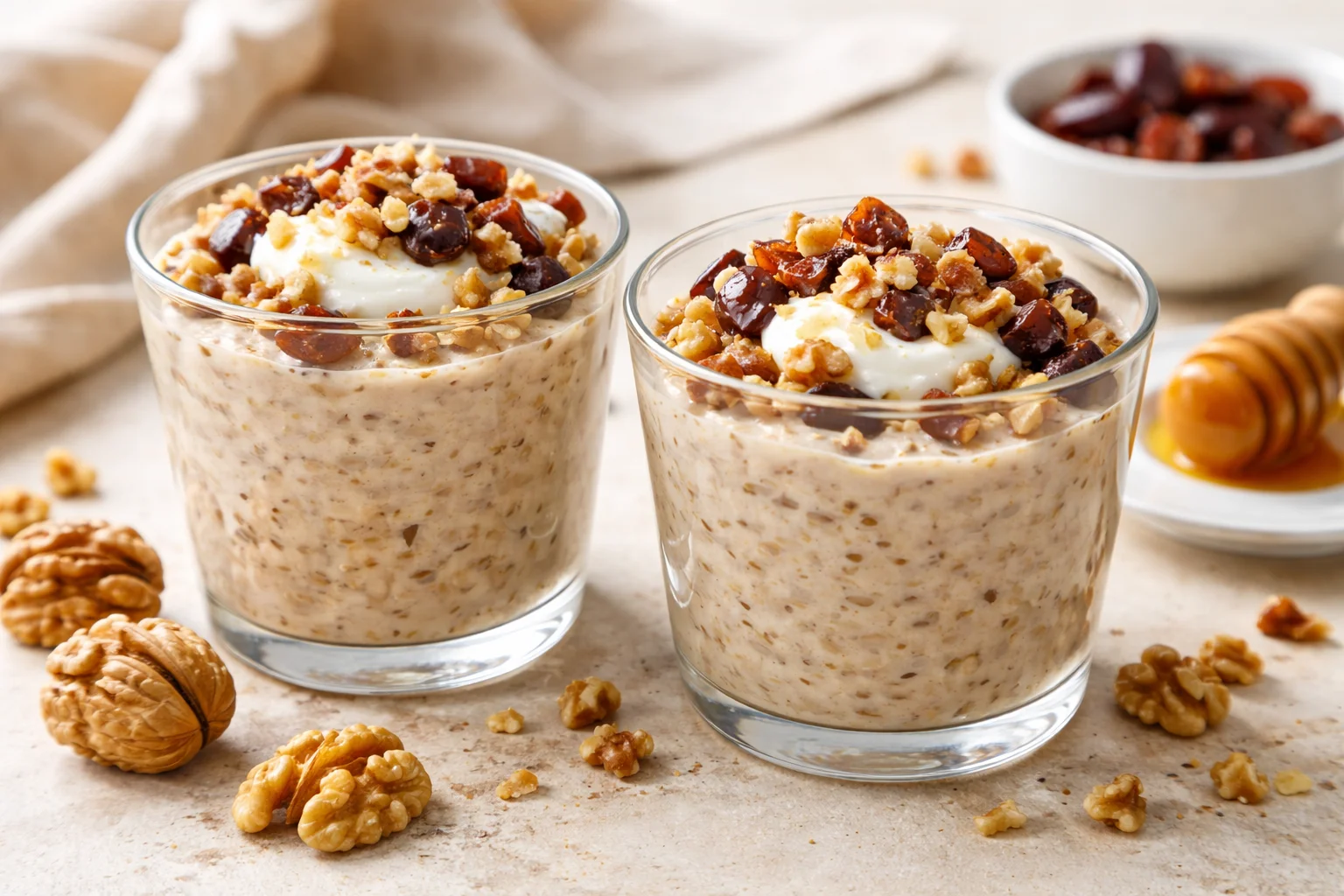
Health Benefits of Oatmeal
Oatmeal is one of those foods that’s been around forever for a reason. It’s easy, it’s comforting, and it’s quietly powerful. When I started focusing on gut healthy oatmeal, I noticed I stayed full longer and didn’t get that snacky feeling an hour after breakfast.
Here are the benefits that make oatmeal worth keeping in your pantry:
- Great source of fiber, especially soluble fiber, which is the kind that turns creamy and soothing when cooked.
- Steady energy because it digests slower than sugary breakfast stuff.
- Easy to dress up with fruit, seeds, yogurt, and spices so you don’t get bored.
- Supports heart health and can help with cholesterol thanks to beta glucan, a fiber found in oats.
- Budget friendly, which matters a lot when you’re trying to eat better consistently.
Also, if you like breakfast that drinks like a meal, you might enjoy this creamy oatmeal breakfast smoothie. I make it on busy days when I’m out the door fast.
“I swapped my usual pastry breakfast for oatmeal with berries and a spoon of yogurt, and within a week I felt less bloated and more steady energy wise. It’s now my weekday go to.”
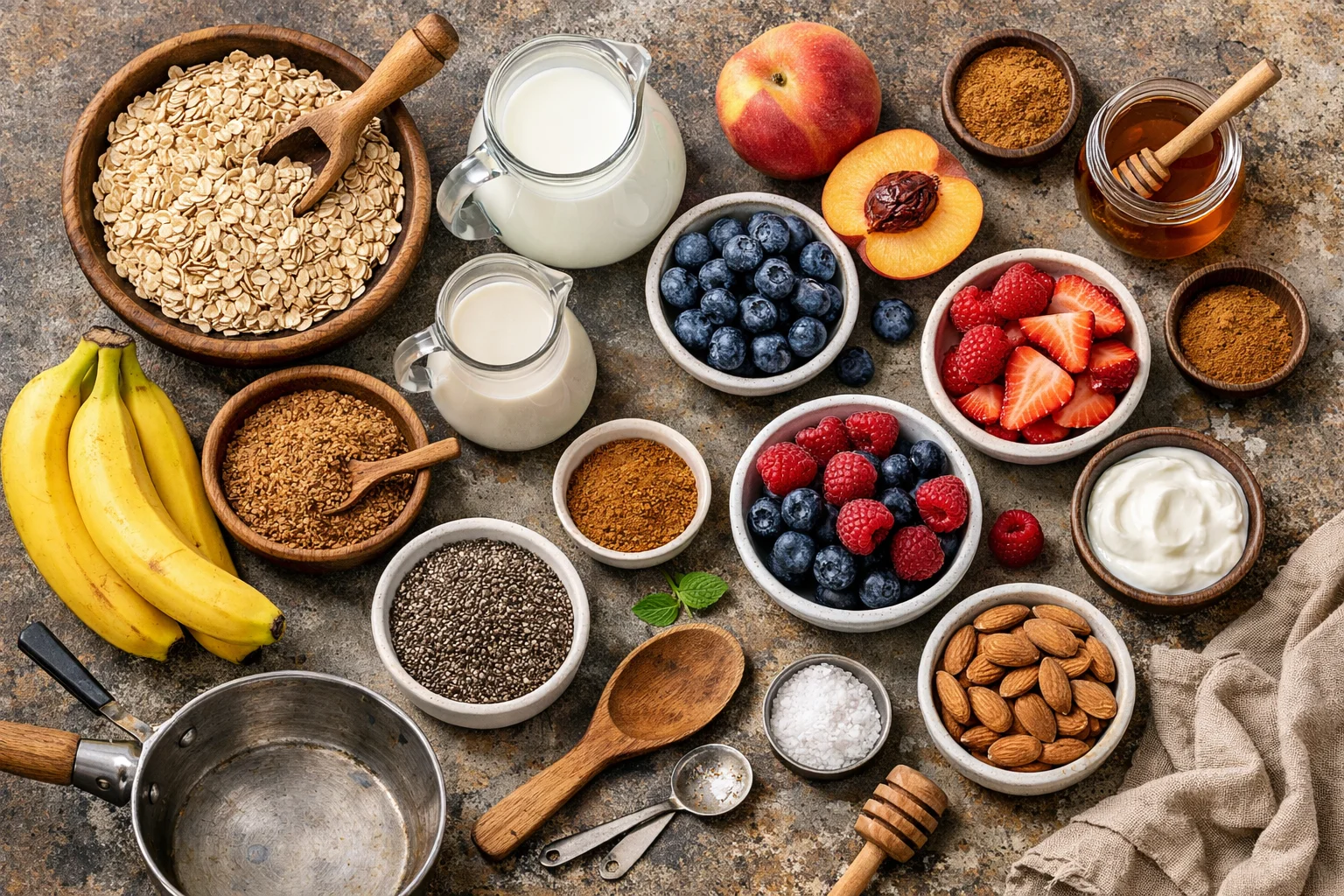
Types of Oatmeal to Use
Not all oats cook the same, and the type you choose can totally change the vibe of your bowl. For gut healthy oatmeal at home, I usually pick based on time and texture.
Quick guide to the main oat options
Rolled oats are my everyday favorite. They cook in about 5 minutes on the stove and still feel hearty.
Quick oats cook faster and get softer. They’re great when your stomach feels extra sensitive or you want a smoother texture.
Steel cut oats take longer but feel really filling. They’re chewy and cozy, like a slow weekend breakfast.
Instant packets can be convenient, but I’d watch the added sugar. If you use them, I’d rather buy plain and add my own toppings.
One more tip that helped me: if you’re new to oatmeal, start with rolled oats. They’re the easiest middle ground.
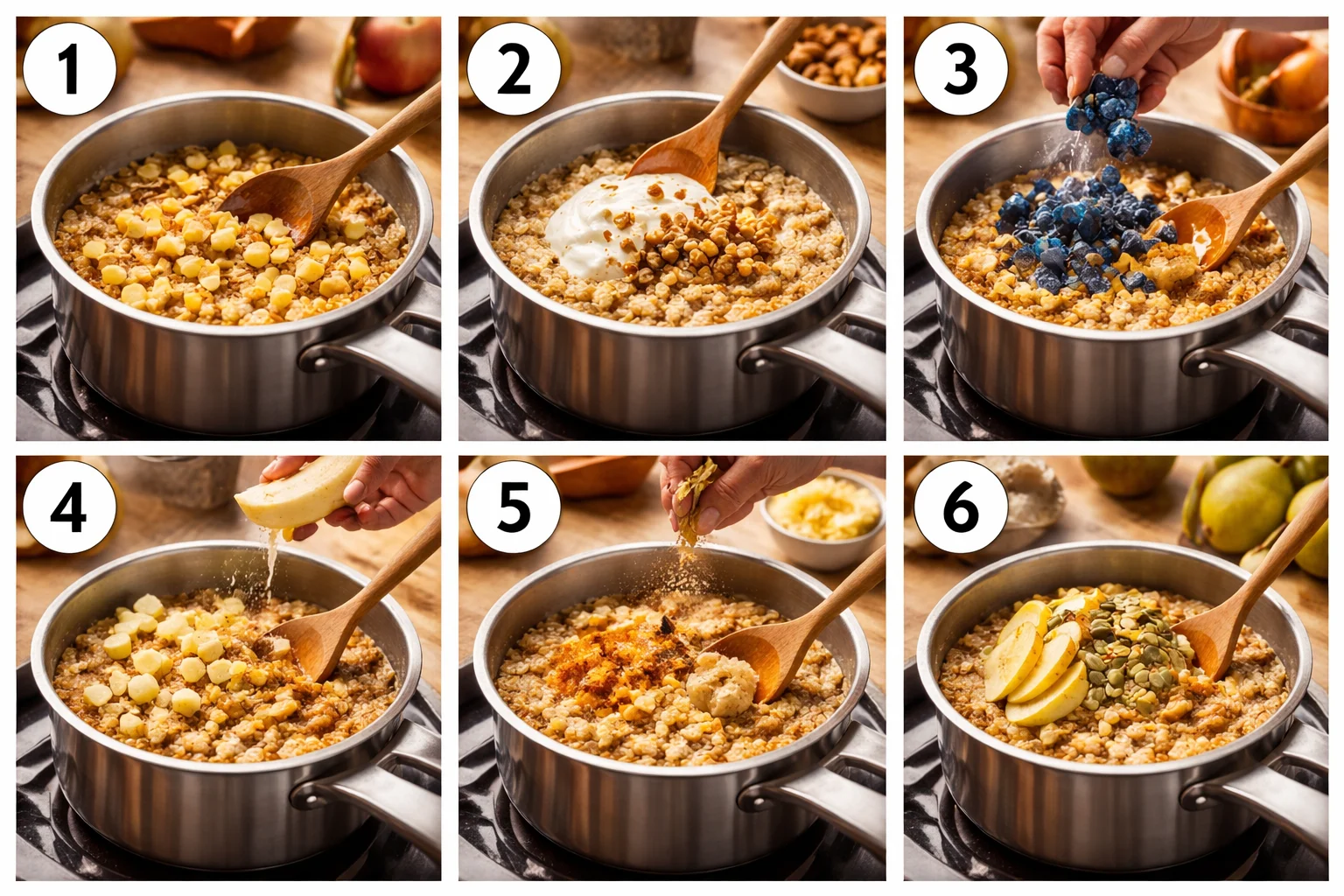
How Oatmeal Supports Digestion
Let’s talk about why gut healthy oatmeal works so well when your digestion is being dramatic. Oats contain a special soluble fiber called beta glucan. When it mixes with liquid, it becomes kind of gel like, which can feel soothing and help move things along gently.
Prebiotics, probiotics, and the topping combo that matters
Oats are often considered prebiotic friendly, meaning they can help feed your good gut bacteria. I like to pair them with probiotic rich toppings so it’s more of a team effort.
My favorite digestion friendly add ons:
Plain yogurt or kefir for probiotics. I usually add it after cooking so it stays creamy and cool.
Chia seeds because they add extra fiber and thicken the bowl.
Ground flaxseed for a gentle boost that doesn’t change flavor too much.
Banana or cooked apple because they’re soft and easy on the stomach.
If you want more gut focused drink ideas to go with breakfast, I’ve tried this detox juice recipe for gut health probiotics prebiotics and it fits really nicely next to a warm bowl of oats.
Creative Recipe Ideas with Oatmeal
This is the part where oatmeal stops being “just oatmeal” and becomes something you crave. When I’m trying to keep gut healthy oatmeal interesting, I rotate flavors like I’m running a tiny breakfast café in my kitchen.
My go to gut friendly oatmeal formula
Here’s the basic template I use almost every time:
- Base: rolled oats + water or milk (dairy or non dairy)
- Fiber boost: chia seeds or ground flax
- Fruit: berries, banana, apple, pear, or peaches
- Flavor: cinnamon, vanilla, cocoa, or a pinch of salt
- Protein and creaminess: yogurt, nut butter, or hemp seeds
Apple cinnamon cozy bowl: Cook oats with diced apple and cinnamon. Stir in yogurt at the end and top with walnuts. If you love that combo, you’ll probably also like this delicious apple cinnamon oatmeal smoothie for a sip-able version.
Berry gut glow bowl: Cook oats, then add a big handful of blueberries or raspberries. Top with chia and a drizzle of honey. On weekends, I do a bowl that feels like dessert, inspired by this berry detox smoothie bowl recipe.
PB banana comfort bowl: Slice banana into the pot while cooking. Stir in peanut butter at the end. It tastes like a treat but still keeps the “steady energy” promise.
Golden ginger bowl: Add cinnamon plus a tiny pinch of turmeric and grated ginger while cooking. Top with sliced pear and pumpkin seeds. This one is especially nice if you’re trying to keep things calm and cozy.
And if you’re ever meal prepping, oatmeal plays really well with freezer routines. Not exactly oatmeal, but the same prep mindset applies, and these tips helped me a lot: how to freeze smoothies properly easy tips.
Tips for Enhancing Oatmeal Flavors
I think a lot of people hate oatmeal because they’ve only had it under seasoned. Oats need a little love. When I’m making gut healthy oatmeal, I focus on flavor without going overboard on sugar.
Small tweaks that make a big difference
Use a pinch of salt. It sounds odd, but it makes the oats taste more like something, not like cardboard.
Toast your oats for 1 minute in the pot before adding liquid. It adds a warm, nutty taste.
Try warm spices like cinnamon, nutmeg, cardamom, or ginger. They make oatmeal smell amazing.
Make it creamy by using part milk, or stirring in yogurt after cooking. You can also add mashed banana for natural sweetness and thickness.
Go for texture with crunchy toppings like chopped nuts, pumpkin seeds, or toasted coconut. Texture keeps oatmeal from feeling mushy.
Sweeten smarter: ripe fruit, a little maple syrup, or a drizzle of honey. If your toppings are flavorful, you don’t need much.
One more thing I do: I keep a “topping station” in my pantry. Chia, flax, cinnamon, walnuts, and dried coconut are always there, so breakfast feels easy even when I’m half awake.
Common Questions
1) Is oatmeal actually good for bloating?
It can be, especially if you keep it simple and don’t overload it with sugar. Start with rolled oats, add a banana or cooked apple, and see how your body feels.
2) What if oats upset my stomach?
Try smaller portions, cook them a bit longer, and use quick oats for a softer texture. Also watch toppings like a lot of nut butter or too many raw nuts if you’re sensitive.
3) Should I soak oats first?
You can. Overnight oats or a quick soak can make them softer and sometimes easier to digest. I do it when I know I’ll be rushed in the morning.
4) What’s the best time to eat gut healthy oatmeal?
Breakfast is the classic, but I’ve totally done it as a light dinner. It’s comforting and usually sits well, especially when I’m not in the mood to cook.
5) How do I add protein without making it heavy?
Stir in Greek yogurt after cooking, or add hemp seeds. Both keep it gentle and creamy.
A warm bowl you can actually stick with
Once you find your favorite toppings, gut healthy oatmeal stops feeling like a health chore and starts feeling like comfort food that loves you back. Keep it simple, focus on fiber plus creamy texture, and rotate flavors so you don’t get bored. If you want even more ideas, I’ve bookmarked 6 Tasty Oatmeal Recipes For Better Digestion & Health because it’s packed with easy combos. Now go make a bowl, take that first cozy bite, and see how good a calm breakfast can feel.
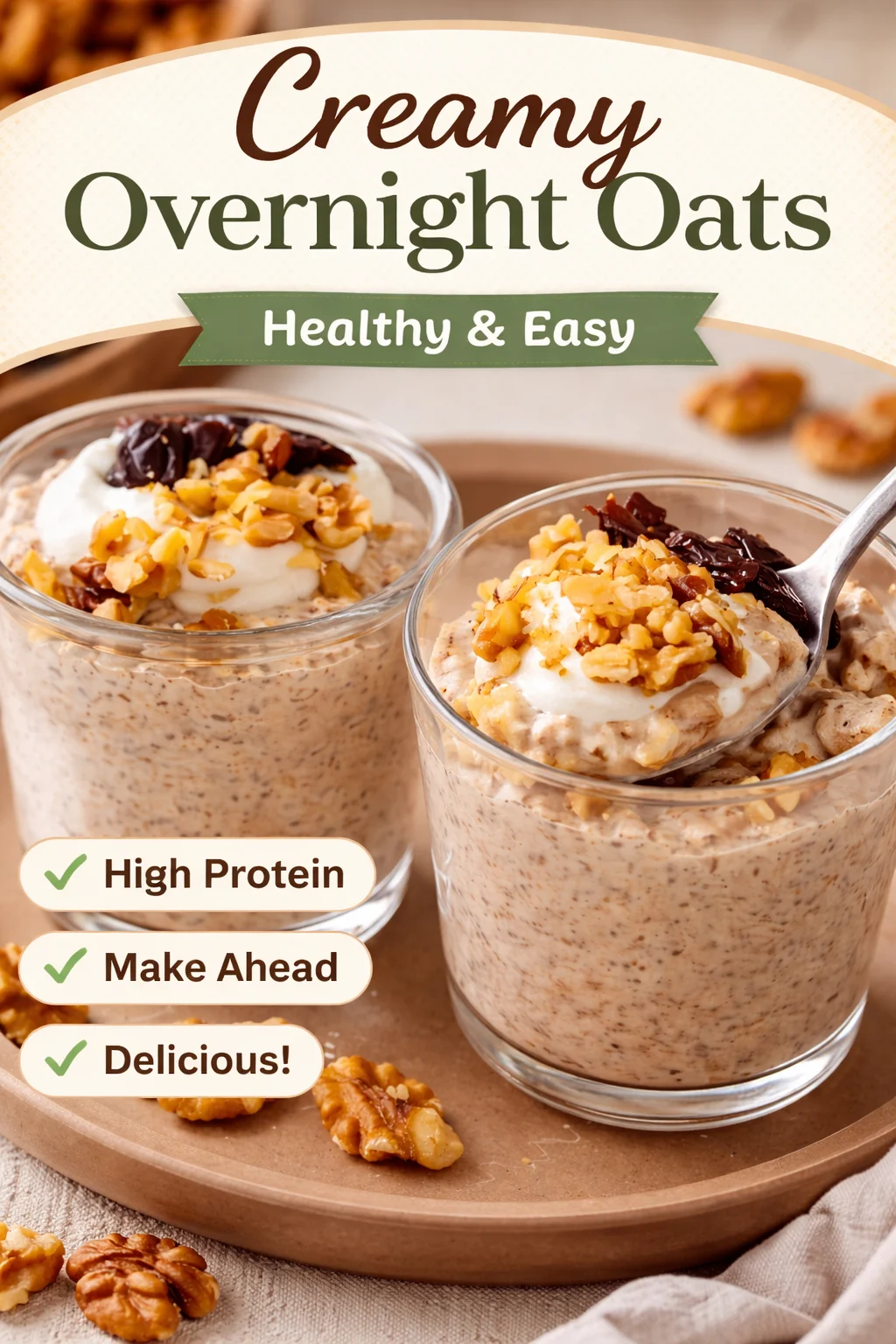

Gut Healthy Oatmeal
- Total Time: 10 minutes
- Yield: 2 servings 1x
- Diet: Vegetarian
Description
A cozy and nutritious oatmeal recipe designed to support digestion and keep you feeling full longer.
Ingredients
- 1 cup rolled oats
- 2 cups water or milk (dairy or non-dairy)
- 1 tablespoon chia seeds or ground flax
- 1 cup mixed fruit (berries, banana, apple, pear, or peaches)
- 1 teaspoon cinnamon or other spices (vanilla, cocoa, etc.)
- 1/4 cup yogurt or nut butter for creaminess
- Pinch of salt
Instructions
- In a pot, toast the rolled oats for 1 minute over medium heat.
- Add water or milk and a pinch of salt; bring to a boil.
- Reduce heat and simmer for about 5 minutes, stirring occasionally.
- Stir in chia seeds or ground flax, and your choice of fruit and flavoring.
- Remove from heat and mix in yogurt or nut butter to create creaminess.
- Serve warm with additional toppings as desired.
Notes
For a variety of flavors, rotate fruit and spices. Try toasting oats for added flavor and sweetness with natural toppings.
- Prep Time: 5 minutes
- Cook Time: 5 minutes
- Category: Breakfast
- Method: Stovetop
- Cuisine: American
Nutrition
- Serving Size: 1 serving
- Calories: 350
- Sugar: 10g
- Sodium: 200mg
- Fat: 9g
- Saturated Fat: 2g
- Unsaturated Fat: 7g
- Trans Fat: 0g
- Carbohydrates: 55g
- Fiber: 10g
- Protein: 12g
- Cholesterol: 5mg