

Gut-friendly fermented drinks were not on my weekly routine until I hit that familiar combo of bloating, low energy, and a snacky mood that just would not quit. I wanted something easy that felt like a treat but still did my body a favor. If you are already the type who preps smoothies to make mornings smoother, you will love pairing that habit with fermentation, and this smoothie meal prep guide is honestly a lifesaver for staying consistent. The good news is you do not need fancy gear or a science degree to get started. You just need a jar, a little patience, and a willingness to taste as you go. 
What are fermented drinks?
Fermented drinks are beverages made when natural bacteria and yeast break down sugars and turn them into acids, bubbles, and loads of flavor. That sounds intense, but in your kitchen it looks pretty simple: you mix a few ingredients, cover the jar, and let time do its thing.
What I love is how alive these drinks taste. They are tangy, a little fizzy, and kind of refreshing in that wake your mouth up way. Some are dairy based like kefir, some are tea based like kombucha, and others are more like fermented lemonades.
If you are already into functional add ins, you can keep things simple at first and then level up later. For example, I sometimes blend my finished kefir smoothie with a spoon of maca, and this post on maca root powder benefits in drinks helped me understand how to use it without going overboard.
Quick reality check: fermentation is not the same thing as something going bad. When it is done right, it smells pleasantly sour, not rotten, and it tastes bright and clean. If it smells like garbage, toss it and start again. No guilt.
Do they contain alcohol?
This is the question I get the most when friends see jars on my counter. The honest answer is: sometimes a tiny bit, depending on the drink and how long it ferments.
Most home fermented drinks like water kefir, milk kefir, and kombucha can naturally create a small amount of alcohol. Usually it is low, but it can climb if you ferment too long, add a lot of sugar, or leave it warm for days and days. If you want to keep it minimal, do a shorter ferment and store it in the fridge once it tastes right.
Here are a few practical tips I follow:
- Ferment in a cool spot if your kitchen runs warm.
- Taste daily once you are close to the usual time window.
- Refrigerate as soon as it hits the flavor you like.
- If you are sensitive, pregnant, or serving kids, choose shorter ferments and consider store bought options that are labeled low alcohol.
Also, if stress has your digestion feeling extra touchy, I find it helps to focus on calming habits too, not just food. I bookmarked this guide on adaptogens for stress relief drinks because sometimes the best gut support starts with relaxing your nervous system.
Are they good for you?
In many cases, yes, fermented drinks can be a really nice addition to your routine. They may support gut microbes, help you digest certain foods, and give you a satisfying alternative to sugary sodas. But I am not going to pretend they are magic. Think of them as one helpful tool in a bigger wellness picture.
What I notice personally is this: when I have a small glass most days, my belly feels calmer and my cravings are less chaotic. The biggest win for me is consistency. A little bit often seems to work better than a huge glass once in a while.
If you are new, start slow. Like a few sips slow. Your gut might need a minute to adjust, especially if you have not had many fermented foods before.
“I started with just half a cup of kefir a day and within two weeks I felt less bloated after meals. It was not overnight, but it felt steady and real.”
One more thing: if you have immune issues or a medical condition, it is smart to check with your clinician. Fermented drinks are generally safe for most people, but your situation matters.
Health Benefits of Fermented Foods
This is where I get a little nerdy, but I will keep it simple. Fermented foods and drinks often contain beneficial microbes and compounds created during fermentation. That can be supportive for digestion and overall gut comfort.
Some potential benefits people talk about include:
Better digestion because fermentation can help break down certain ingredients.
More variety in your diet which is a big deal for gut health in general.
A smarter swap for soda since tangy and fizzy can scratch that itch without being a sugar bomb.
And because your gut and brain love to gossip with each other, I also pay attention to how my morning drink affects my mood and focus. This article on gut brain axis morning drinks really clicked for me, especially on those days when I wake up stressed and snacky.
One caution I always mention: if you are buying fermented drinks, check the label. Some “probiotic” drinks are basically sweet beverages with a health halo. Look for lower added sugar and active cultures.
Fermented Drink Recipes
Okay, this is the fun part. I am sharing two beginner friendly options I make all the time: a cozy milk kefir smoothie and a bright water kefir soda style drink. Both feel like treats, both are pretty low effort, and both fit nicely into a normal week.
Recipe 1: Creamy Cinnamon Kefir Smoothie
This is my go to when I want something filling but not heavy. It tastes like a gentle dessert, especially if you add banana.
What you will need
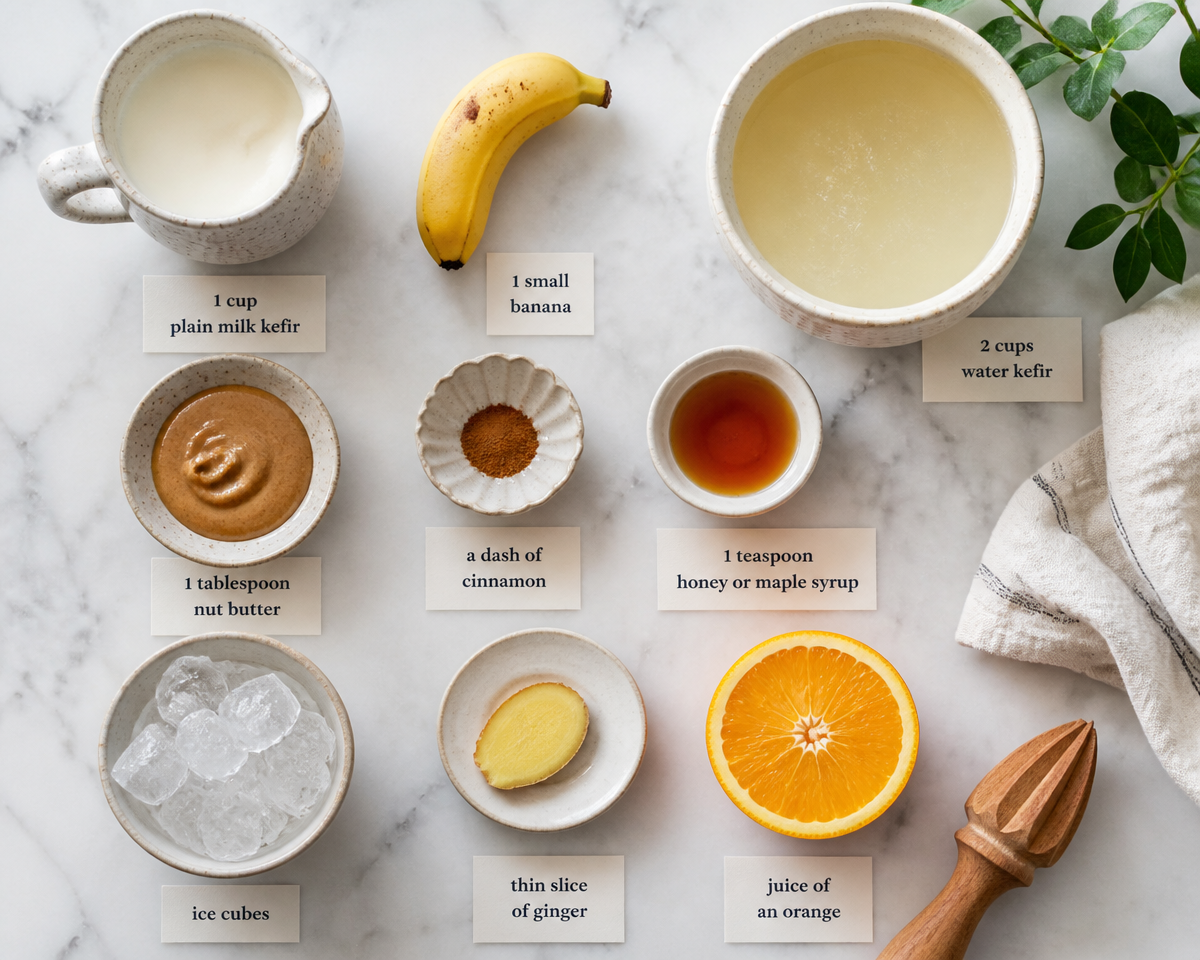
- 1 cup plain milk kefir (store bought is fine)
- 1 small banana, fresh or frozen
- 1 tablespoon nut butter (optional but so good)
- 1 dash cinnamon
- 1 teaspoon honey or maple syrup (optional)
- Ice, if you want it extra cold
Directions
Blend everything until smooth. Taste it. If it is too tangy, add a little more banana or a tiny drizzle of honey. If it is too thick, splash in milk or water.
When I want an even calmer morning vibe, I sometimes pair this smoothie habit with adaptogen routines. I tried a few ideas from ashwagandha morning drinks and learned quickly that less is more. Start small and see how you feel.
Recipe 2: Easy Water Kefir Citrus Fizz
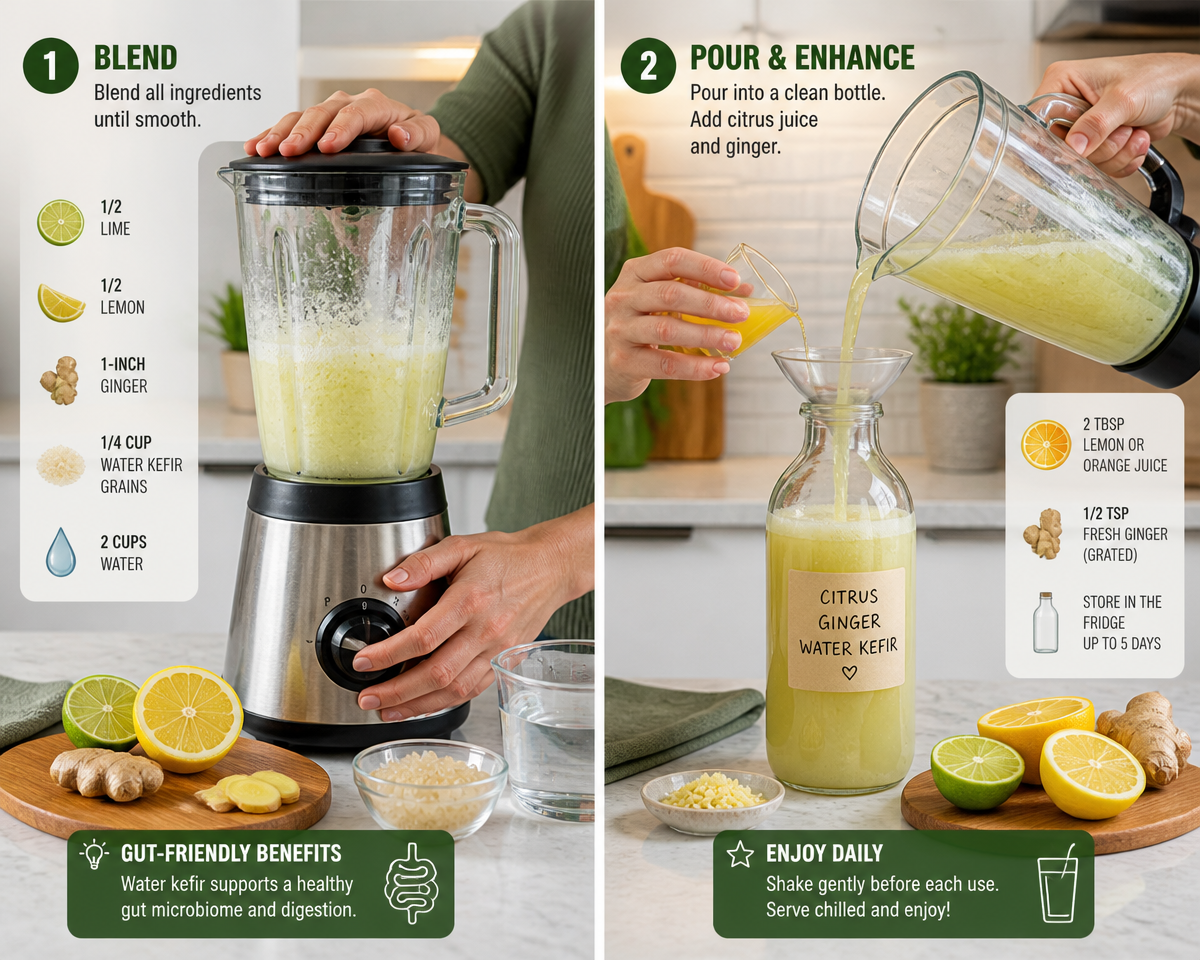
This one feels like homemade soda but lighter and cleaner. You can use water kefir grains if you have them, or buy pre made water kefir and do the flavor step.
Ingredients
- 2 cups finished water kefir
- Juice of 1 orange or 2 mandarins
- 1 thin slice of ginger (optional)
- 1 teaspoon lemon juice for extra tang
Directions
Pour the water kefir into a clean bottle that can handle pressure. Add citrus juice and ginger. Close it and let it sit at room temp for 12 to 24 hours for more fizz, then refrigerate. Open slowly the first time, ideally over the sink, because it can get enthusiastic.
My personal serving tips so you actually stick with it
I have learned the hard way that the healthiest drink in the world does nothing if it sits in the fridge untouched.
- Serve it cold. Fermented flavors are better chilled.
- Use a pretty glass. It sounds silly but it helps.
- Pair it with breakfast, not an empty stomach if you are sensitive.
- Keep portions modest at first, like half a cup.
Common Questions
1) How much should I drink a day?
If you are new, start with a few sips to half a cup. If you feel good, you can work up to around a cup a day. Listen to your body.
2) Can I drink fermented drinks if I am lactose intolerant?
Some people tolerate kefir better than milk because fermentation reduces lactose. You can also try water kefir or kombucha instead. If you are very sensitive, go slow.
3) What if my drink tastes too sour?
That usually means it fermented a bit long. Chill it, dilute with water, or blend into a smoothie with fruit. Next time, shorten the ferment time.
4) How do I know if it has gone bad?
If it smells rotten, looks moldy, or has fuzzy growth, toss it. A clean tangy smell is normal. When in doubt, do not risk it.
5) Can I make these without special equipment?
Yes. A clean jar, a strainer, and bottles are enough for most beginner recipes. The biggest “tool” is just tasting and adjusting.
A cozy little plan to start sipping
If you want to ease into Gut-friendly fermented drinks, pick one option and stick with it for a week, like kefir smoothies at breakfast or a small glass of water kefir with lunch. Keep it simple, keep it cold, and pay attention to how you feel. If you want more ideas, I like browsing Fermented Drink Recipes – Nourished Kitchen for flavor combos, and I also appreciate this practical breakdown from the Mayo Clinic on Probiotic drinks: What really works for gut health, from kefir to … when I am sorting hype from reality. Try one recipe, tweak it to your taste, and let this be a feel good habit you actually enjoy. Gut-friendly fermented drinks should feel friendly, not stressful, and once you find your favorite, you will honestly look forward to that first sip. 

Creamy Cinnamon Kefir Smoothie
- Total Time: 5 minutes
- Yield: 1 serving 1x
- Diet: Vegetarian
Description
A deliciously creamy smoothie made with kefir and banana that’s perfect for a nutritious breakfast or snack.
Ingredients
- 1 cup plain milk kefir
- 1 small banana, fresh or frozen
- 1 tablespoon nut butter (optional)
- 1 dash cinnamon
- 1 teaspoon honey or maple syrup (optional)
- Ice, if desired
Instructions
- Blend everything until smooth.
- Taste it; if it is too tangy, add more banana or a drizzle of honey.
- If it is too thick, splash in milk or water.
Notes
Pair this smoothie with adaptogens for a calming start to your day. Start small with ingredients to see how they affect you.
- Prep Time: 5 minutes
- Cook Time: 0 minutes
- Category: Beverage
- Method: Blending
- Cuisine: Health Drink
Nutrition
- Serving Size: 1 serving
- Calories: 300
- Sugar: 13g
- Sodium: 100mg
- Fat: 10g
- Saturated Fat: 2g
- Unsaturated Fat: 8g
- Trans Fat: 0g
- Carbohydrates: 40g
- Fiber: 3g
- Protein: 10g
- Cholesterol: 5mg