

Sauerkraut Juice Smoothie might sound a little daring at first sip, but it just might become your new wellness crush. If you’ve ever felt bloated, low on energy, or like your greens routine needs a twist, this simple addition can help. I started adding a splash of kraut juice to my smoothies to support gut health and get more zest into my day. It’s affordable, easy to try, and honestly kind of fun. If you care about little daily habits that add up, you’ll love this read on sustainable choices too, like sustainable juicing. Let’s blend something that tastes bright and leaves you feeling good.

Benefits of Sauerkraut Juice
Sauerkraut juice is basically a savory, tangy liquid that’s rich in naturally occurring probiotics from the fermentation of cabbage. Those friendly microbes can support a happier gut environment, which influences digestion and overall wellness. I like to think of it as a tiny daily nudge for my microbiome. When I use a little kraut brine in smoothies, the flavor turns into a citrusy twang that pairs nicely with pineapple, berries, and even cucumber.
Here’s why I keep a jar in my fridge:
Probiotics for balance. Fermented foods offer live cultures that may support gut diversity. If you want to go deeper into the gut angle, this primer on pairing probiotics with plant fiber is super helpful: gut health guide with probiotics and prebiotics.
Electrolytes and hydration. Sauerkraut brine naturally contains minerals from cabbage and salt. In a smoothie with hydrating fruit, it helps me feel refreshed after a walk or a workout.
Immune support. Cabbage is rich in vitamin C and antioxidants. When fermented, it becomes easier to digest for many people and can be a smart, gentle choice to add to a routine.
Flavor and variety. If you’re bored of sweet-only smoothies, kraut juice adds a bright, savory tang that wakes up the palate. Think of it as a secret splash, not the main event.
“I was skeptical, but my first Sauerkraut Juice Smoothie tasted like a tropical shake with a tiny zing. My gut felt calmer within a week, and I’ve been hooked ever since.”

How to buy quality kraut
The key is choosing sauerkraut that’s actually fermented, not just pickled in vinegar. That’s where the live cultures come from. Once you pick a good jar, the rest falls into place.
- Look for raw, unpasteurized sauerkraut in the refrigerated section.
- Check the ingredient list for simple things like cabbage, water, salt, and maybe spices.
- Avoid vinegar in the ingredient list if you want probiotic benefits.
- Choose glass jars when possible for a clean, fresh taste.
- Brine should look cloudy and active. That’s a sign of fermentation, not spoilage.
- Start with classic flavors before trying spicy or garlic blends.
If you’re using kraut to support digestion, you might also enjoy this gentle, greens-first approach for your routine: green smoothie recipe for gut health.
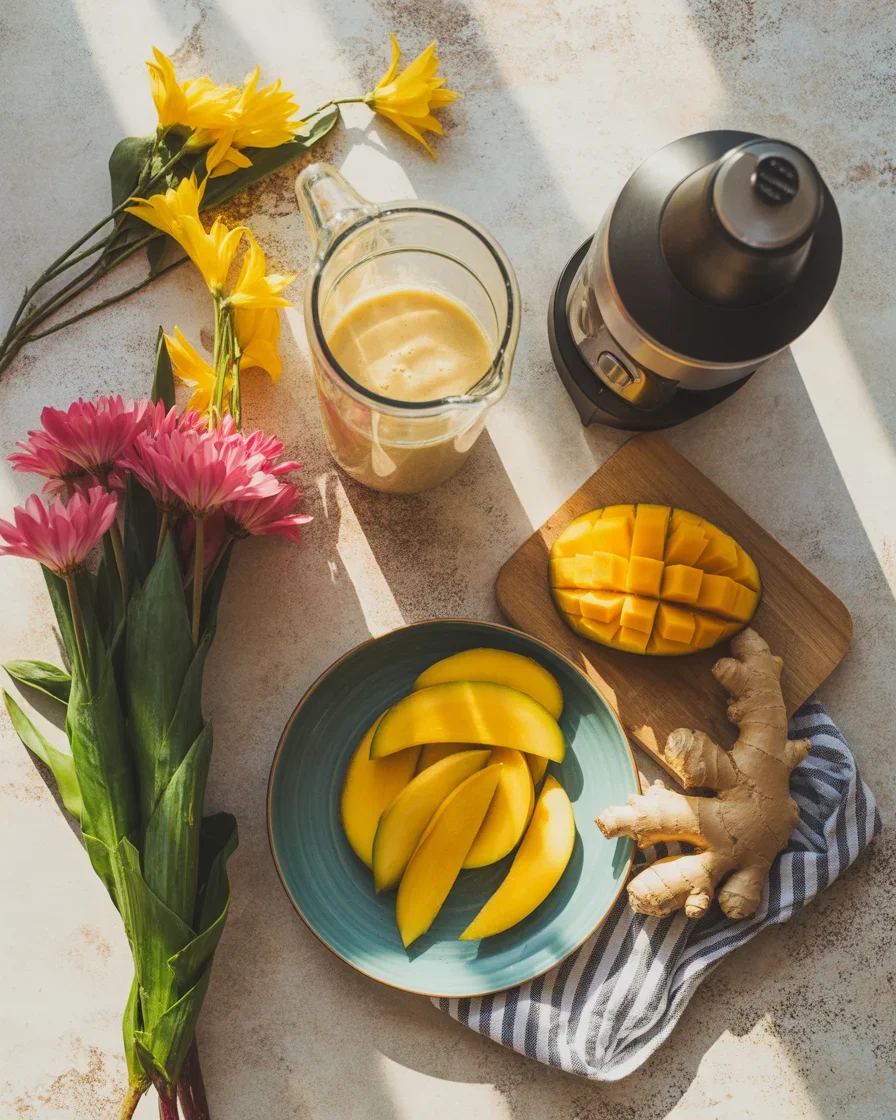
What is sauerkraut juice made of?
At its core, sauerkraut juice is the salty, probiotic-rich liquid created when cabbage ferments in brine. During fermentation, beneficial bacteria convert natural sugars in cabbage into lactic acid. That lactic acid gives the brine its tang and helps preserve the kraut. When you open the jar, you’ll notice the brine carries subtle cabbage flavor with a savory edge. That liquid is what we’re using in small amounts to boost smoothies with probiotics and brightness.
Quick science behind it
Lactic acid bacteria thrive during fermentation and can survive in the finished brine. Electrolytes and organic acids in the brine may also support hydration and provide a clean, zippy taste. If the flavor seems strong at first, use just a teaspoon in your smoothie and slowly work up to a tablespoon or two.
Is sauerkraut juice healthy?
For many people, yes, in moderation. It’s naturally low in calories, can carry helpful probiotics, and brings micronutrients from cabbage. If you’re salt sensitive, go easy and watch your total sodium for the day. I usually start with a small splash and see how my body feels. If you’re brand new to fermented foods, you can also alternate days to let your digestion adjust. And if you have any medical conditions or concerns, check with a healthcare pro first.
When paired with fruit and leafy greens, a Sauerkraut Juice Smoothie can help you hit hydration and fiber goals while supporting a balanced gut. It’s a simple upgrade that builds on a routine you might already enjoy.
Sauerkraut juice recipes to make yourself
These are my go-to blends when I want something quick, bright, and satisfying. Each recipe makes one large smoothie or two small glasses. Feel free to tweak fruits, add-ins, and sweetness to taste. If you want a berry-forward option as a classic, I also love this fresh combo: blueberry spinach smoothie. And if you want a midday lift, peek at these best green smoothie recipes for an energy boost.
Tropical Gut-Glow
This one tastes like a beach day and hides the kraut flavor beautifully.
Ingredients
- 1 cup frozen pineapple chunks
- 1 small ripe banana
- 2 tablespoons sauerkraut juice
- 3 to 4 leaves romaine or 1 cup baby spinach
- 1 cup coconut water or cold water
- Juice of half a lime
- Optional: 1 teaspoon grated ginger or a pinch of turmeric
Directions
- Add liquids to the blender first for easier blending.
- Blend until smooth. Taste and adjust with more pineapple or lime as you like.
- If you’re new to kraut brine, start with 1 teaspoon and work up.
Flavor tip: a squeeze of lime and a touch of ginger brightens the savory edge so the whole drink tastes like sunshine.
Blueberry Spinach Kraut Cooler
This is a juicy, antioxidant-heavy blend that’s perfect post-walk. The blueberries add color and sweetness that play nice with the brine.
Ingredients
- 1 cup frozen blueberries
- 1 cup baby spinach
- 1 tablespoon sauerkraut juice
- 1 cup almond milk or oat milk
- 1 tablespoon chia seeds
- Optional: 1 teaspoon honey or maple, if needed
Directions
- Blend milk and spinach first, then add blueberries, chia, and kraut juice.
- Blend until silky. Sweeten only if you want it dessert-level.
Texture tip: let the smoothie sit for two minutes so the chia seeds slightly thicken it. It sips like a creamy shake.
Savory Tomato Kraut Refresher
When I’m craving something less sweet, this is my winner. It tastes like a light tomato cooler and pairs well with lunch.
Ingredients
- 1 medium ripe tomato, chopped
- 1 small cucumber, peeled if waxy
- 1 to 2 tablespoons sauerkraut juice
- 1 cup cold water or a few ice cubes
- 2 tablespoons fresh lemon juice
- Pinch of sea salt and black pepper
- Optional: basil leaves or parsley
Directions
- Blend all ingredients until smooth.
- Adjust lemon and salt to taste for a bright, fresh finish.
Pair this with a simple salad and you’ve got a quick, refreshing meal that feels light but satisfying. It’s a fun way to enjoy a Sauerkraut Juice Smoothie without fruit taking the lead.
A couple of quick notes that help me every time:
Balance the flavors. If it tastes too tangy, add a little extra fruit or a squeeze of citrus. If it’s too sweet, add a pinch of salt or more kraut juice. Temperature matters. Frozen fruit or a handful of ice makes the briny notes milder. Go slow. Begin with small amounts of brine, then increase as you get used to the taste.
Want more ideas to blend for your goals? Here’s a flexible framework you can use alongside kraut brine when you want something antioxidant heavy: berry and greens antioxidant smoothie.
Common Questions
How much sauerkraut juice should I use in a smoothie?
Start with 1 teaspoon and see how you like the taste. Most people land between 1 tablespoon and 2 tablespoons once they get used to it.
Can I drink the brine straight?
You can, but it’s strong and salty. I prefer mixing it into smoothies or diluting with water. Pairing it with fruit or veggies also rounds out the flavor.
What if I’m sensitive to salt?
Use a smaller splash and consider hydrating fruits like cucumber, melon, or pineapple in your blend. You can also choose lower-sodium meals the rest of the day.
Will heating destroy the benefits?
High heat can affect live cultures. Keep it cold in smoothies or add the brine to cool dishes to maintain potential probiotic activity.
Can I prep smoothie packs with brine?
Freeze the fruit and greens together, but add the brine and liquid right before blending. This keeps the flavor clean and the texture best.
Sip, Smile, and Feel the Difference
Now you’ve got the why and the how, plus a few tasty blends to get you started. If you want more inspiration or to compare flavors and methods, I found this take on a Sauerkraut Juice Smoothie super helpful, and this deeper dive into Sauerkraut Juice: all Information about the Healthy Probiotic … is a great resource. A little kraut brine can bring a big boost to your routine with minimal effort. Give it a whirl this week, tweak to your taste, and see how your body feels. I’ll be cheering you on from my blender station.
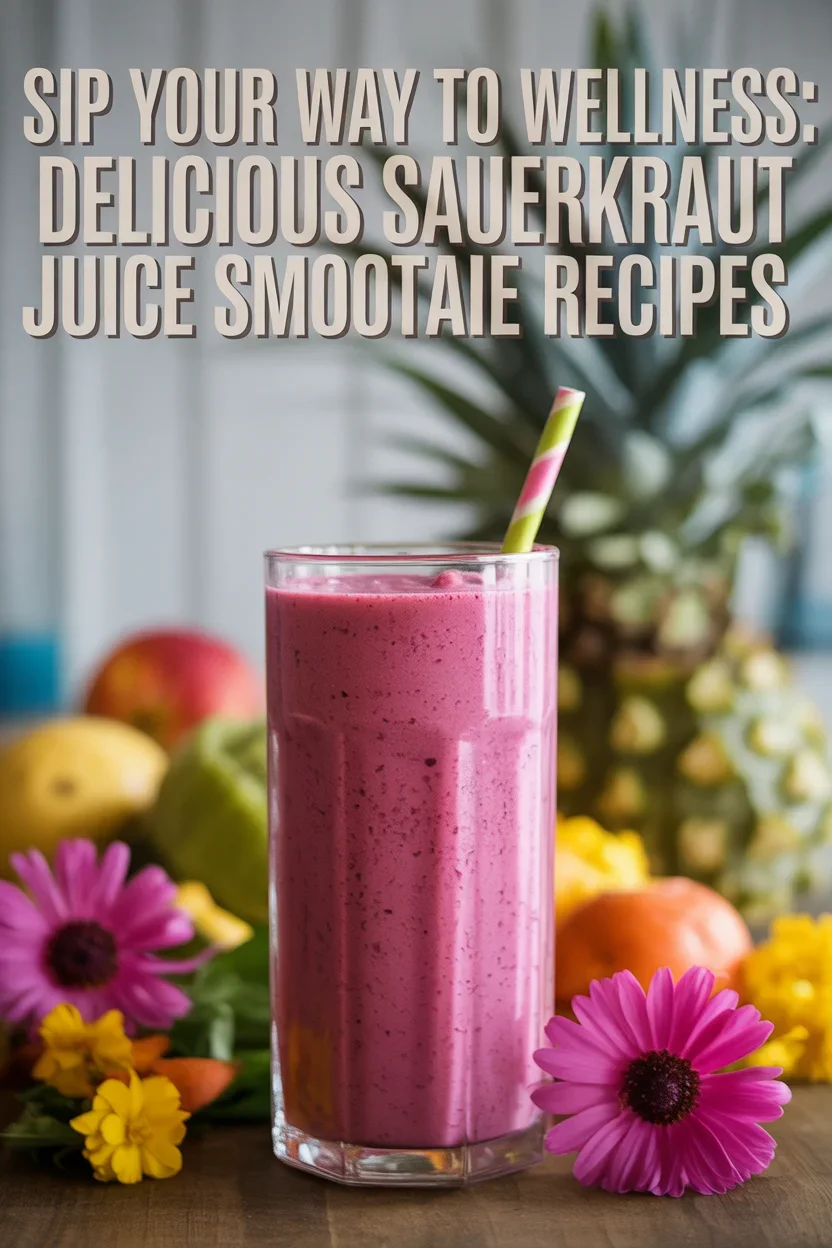

Sauerkraut Juice Smoothie
- Total Time: 5 minutes
- Yield: 1 large smoothie or 2 small glasses 1x
- Diet: Vegan
Description
A refreshing smoothie that combines sauerkraut juice with fruits for gut health and hydration.
Ingredients
- 1 cup frozen pineapple chunks
- 1 small ripe banana
- 2 tablespoons sauerkraut juice
- 3 to 4 leaves romaine or 1 cup baby spinach
- 1 cup coconut water or cold water
- Juice of half a lime
- Optional: 1 teaspoon grated ginger or a pinch of turmeric
Instructions
- Add liquids to the blender first for easier blending.
- Blend until smooth. Taste and adjust with more pineapple or lime as you like.
Notes
Start with 1 teaspoon of kraut juice and work up, adjusting to taste. A squeeze of lime and ginger can brighten the flavor.
- Prep Time: 5 minutes
- Cook Time: 0 minutes
- Category: Smoothie
- Method: Blending
- Cuisine: Fusion
Nutrition
- Serving Size: 1 serving
- Calories: 250
- Sugar: 15g
- Sodium: 300mg
- Fat: 1g
- Saturated Fat: 0g
- Unsaturated Fat: 1g
- Trans Fat: 0g
- Carbohydrates: 63g
- Fiber: 6g
- Protein: 3g
- Cholesterol: 0mg