citrus juicer buying guide time, because if you have ever tried to squeeze oranges with a fork on a sleepy morning, you already know the struggle. I started juicing more often when I was comparing drinks for my routine, especially after reading this detox juice recipe vs smoothies guide, and I realized a good juicer makes healthy habits feel way less “work.” The problem is that there are a million options, and they all claim to be the best. So I am going to walk you through what actually matters, what I personally look for, and a few models that are genuinely easy to live with. By the end, you will know which style fits your kitchen, your budget, and your patience level.
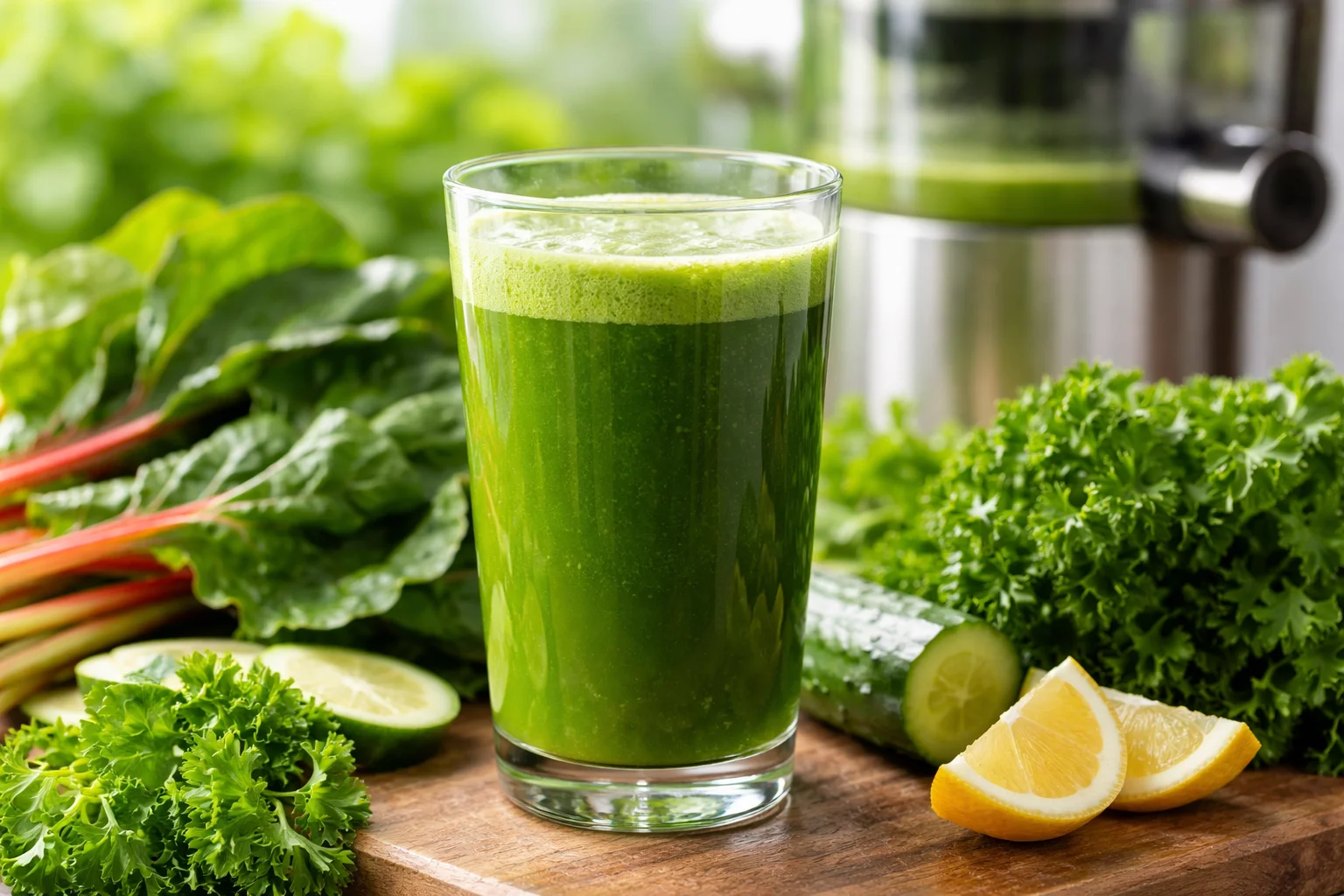
Types of Juicers
Before you buy anything, it helps to know the main categories. Citrus juicers are kind of like coffee makers: each type has a personality, and you want the one that matches how you actually live.
Manual reamers and handheld squeezers
These are the simplest tools. Think of the classic cone you twist an orange on, or the handheld press that crushes a lemon in one satisfying squeeze. They are cheap, small, and perfect if you only juice occasionally.
Best for: a quick lemon for salad dressing, one orange for a kid, or a lime for taco night.
Countertop manual press
This is the heavier, sturdier “lever” style you see in cafes. You pull a handle and it presses the fruit. No electricity, but it feels powerful and tidy once you get used to it.
Best for: people who juice often and want less hand strain, but still want a simple tool.
Electric citrus juicers
These are the most popular for home kitchens. You cut the fruit, press it down on the spinning cone, and the juice flows out. Some have a lever arm, some do not. This is usually the sweet spot for daily orange juice without turning your morning into a workout.
Multi purpose masticating juicers with citrus attachments
Some slow juicers can do citrus too, either by peeling and feeding the fruit or using a citrus add on. If you are the kind of person who juices carrots, apples, and ginger, this can be a smart “one machine” approach. If you are mostly doing oranges and lemons, it can be overkill.
If you are stuck between juicing and blending in general, I liked the way this breaks it down: juicing vs blending guide. It helped me decide when I want pure juice and when I want a thicker smoothie.
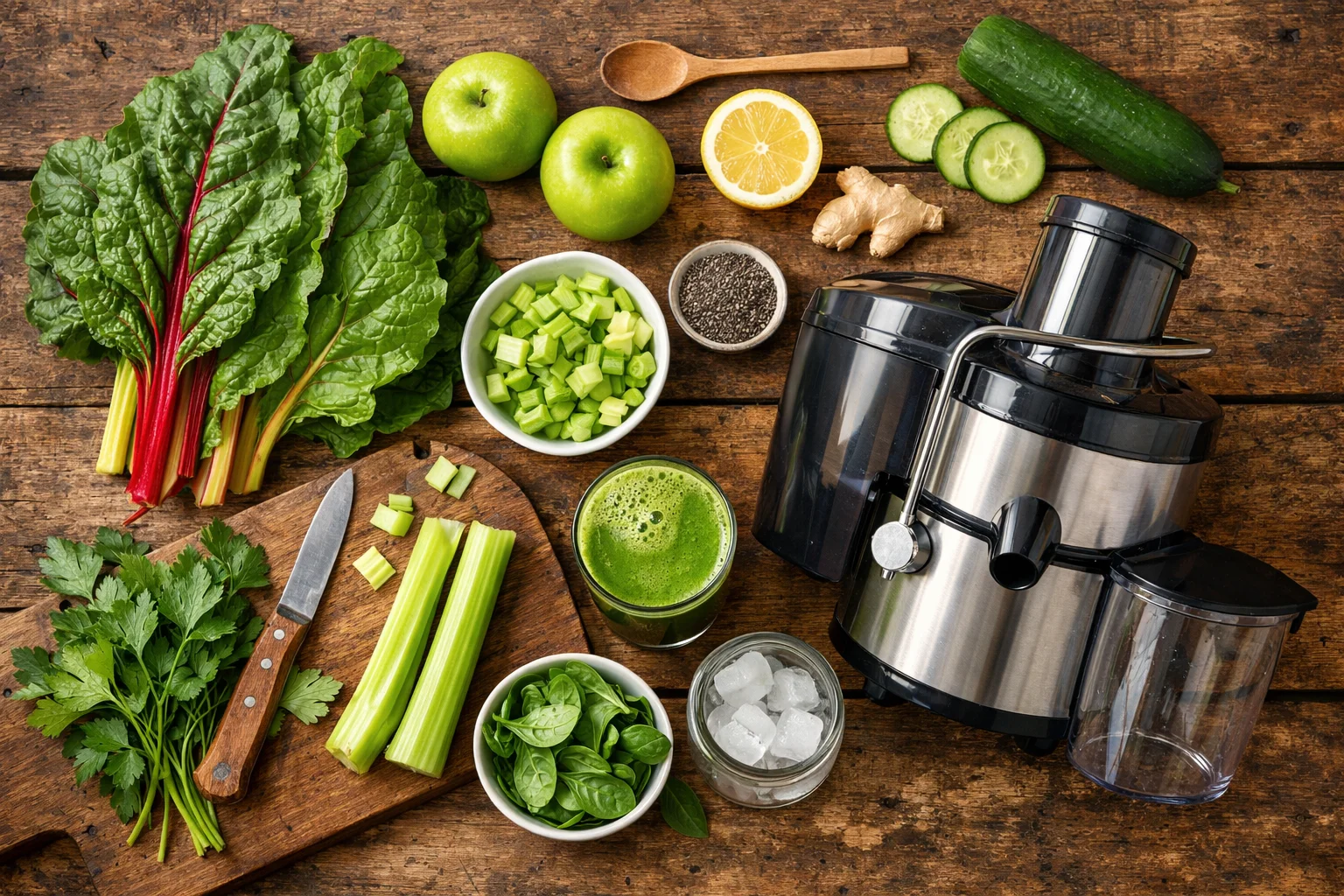
Key Features to Look For in a Juicer
Here is where the “citrus juicer buying guide” part gets practical. Features sound boring until you are cleaning pulp out of a tiny corner with a toothpick. Then you suddenly care a lot.
These are the features I check first:
- Size of the cone: Some juicers handle small limes and big grapefruits with different cones. If you love grapefruit, make sure it fits.
- Pulp control: If you like a little pulp, great. If you hate pulp, look for a strainer that actually separates it well.
- Juice spout and drip stop: A drip stop sounds minor, but it saves your counter from sticky puddles.
- Stability: Suction cups or a heavier base keeps the juicer from doing that little dance on your counter.
- Ease of cleaning: Dishwasher safe parts and fewer pieces are your best friends.
- Noise level: Electric juicers vary. If you are an early riser in a small home, quieter is nicer.
- Material: Stainless steel and sturdy plastic tend to last longer than flimsy plastic that stains fast.
One more thing people forget: think about what you drink your citrus juice with. If you sweeten it, keep it simple and consistent. I have a whole guide on that here: choosing best natural sweeteners for beverages. A tiny bit of honey or maple can be great, but you want the juice to still taste like fruit.

Top Recommended Citrus Juicers
Let us talk about the options that tend to make people happiest. I am not saying you need the fanciest machine. I am saying you need one you will actually use when you are hungry, busy, and maybe a little grumpy.
Here are my go to “safe picks” by category:
Best simple manual pick: a classic handheld citrus press. It is unbeatable for limes and lemons, and it stores anywhere. I keep mine right in the utensil drawer so I do not “forget” I own it.
Best for frequent orange juice: an electric citrus juicer with a lever arm. The lever makes a big difference for your wrists, especially if you are juicing a pile of oranges for brunch.
Best for small kitchens: a compact electric reamer style juicer. Look for one with a tall spout so you can juice straight into a glass.
Best if you also do other produce: a quality masticating juicer that can handle citrus plus harder fruits and veggies. Just be honest with yourself about whether you will actually juice beets on a Wednesday.
If you want an easy way to actually use all this juice, I rotate recipes to keep it fun. This one is bright and not too fussy: pomegranate orange citrus juice recipe. It is the kind of drink that makes you feel like you have your life together, even if your laundry is still in the dryer.
Pros and Cons of Popular Models
Okay, real talk. Every model type has tradeoffs. The trick is choosing the tradeoff you can live with. Also, because this is a real kitchen and not a showroom, I care about mess, cleanup, and “will I use it twice a week” more than fancy specs.
Manual handheld press
Pros: cheap, fast cleanup, great for lemons and limes, no noise.
Cons: not fun for large batches, can be tiring for hands, grapefruit is awkward.
Manual countertop lever press
Pros: powerful, satisfying, less strain, good for batches, looks nice on the counter if you are into that.
Cons: takes space, usually pricier, still needs a quick rinse right away or it gets sticky.
Electric citrus juicer
Pros: fast, consistent, easy for daily use, better for oranges and grapefruit, many parts are dishwasher safe.
Cons: some are noisy, cheaper ones can wobble, pulp can sneak through depending on the strainer.
Masticating juicer used for citrus
Pros: multi purpose, great if you also juice other fruits and veggies, can produce a smooth juice.
Cons: more parts to clean, usually more expensive, sometimes slower than a dedicated citrus juicer.
“I bought an electric citrus juicer with a lever after years of hand squeezing. I did not realize how much I avoided making fresh juice because my hands would cramp. Now I actually make it three mornings a week, and cleanup is easy.”
Buying Tips for Selecting the Right Juicer
This is the part I wish someone had told me before I bought my first juicer and immediately hated washing it. Here are the questions I would ask you if we were standing in your kitchen together.
1) How often will you juice, honestly?
If it is once a week or less, a manual press is perfect. If it is most mornings, go electric.
2) What fruit do you juice most?
Limes and lemons do great with a handheld press. Oranges and grapefruit are easier with an electric juicer or a sturdy countertop press.
3) How patient are you with cleanup?
If you hate washing dishes, pick something with fewer parts and dishwasher safe pieces. This matters more than people admit.
4) Do you want juice only, or juice plus smoothies?
If you are the smoothie type too, you might like planning ahead. This helped me a lot when I was trying to be consistent: smoothie meal prep guide. Even if you are focused on citrus, having packs ready makes mornings easier.
5) Set a realistic budget
In my experience, spending a little more for stability and easier cleaning is worth it, because you will actually use it. A cheap juicer that annoys you becomes clutter fast.
Also, if you like browsing more everyday health and kitchen routines, I keep a bunch of practical stuff in this section: wellness tips and guides. It is where I go when I want ideas that feel doable, not overwhelming.
Common Questions
Do I need an electric juicer, or is manual fine?
Manual is totally fine if you juice small amounts or mostly lemons and limes. If you want fresh orange juice often, electric saves time and your hands.
How do I keep juice from tasting bitter?
Do not press so hard that you crush the peel too much, especially with oranges. Also, remove seeds and avoid over twisting at the end.
What is the easiest juicer to clean?
A simple handheld press is the easiest. For electric models, look for fewer parts and dishwasher safe pieces.
Can I juice whole citrus with the peel?
I do not recommend it for typical citrus juicers. The peel can make juice bitter and may add residues if the fruit is not well washed. Peel it if you are using a masticating juicer method.
How long does fresh citrus juice last?
Best flavor is the same day, but it usually holds up 2 to 3 days in the fridge in a sealed container. Shake before drinking because it separates.
A quick send off before you start squeezing
If you take anything from this citrus juicer buying guide, let it be this: choose the juicer you will actually use, not the one that looks impressive online. Focus on easy cleaning, a solid build, and the right style for the citrus you buy most. Then put it to work with a simple recipe you love, because that is what turns “I should” into “I did.” If you want a more formal checklist to compare models, this Best Juicer Buying Guide – Consumer Reports is a handy reference. Now go grab a few oranges, rinse your juicer parts right after, and make yourself a bright glass of sunshine.