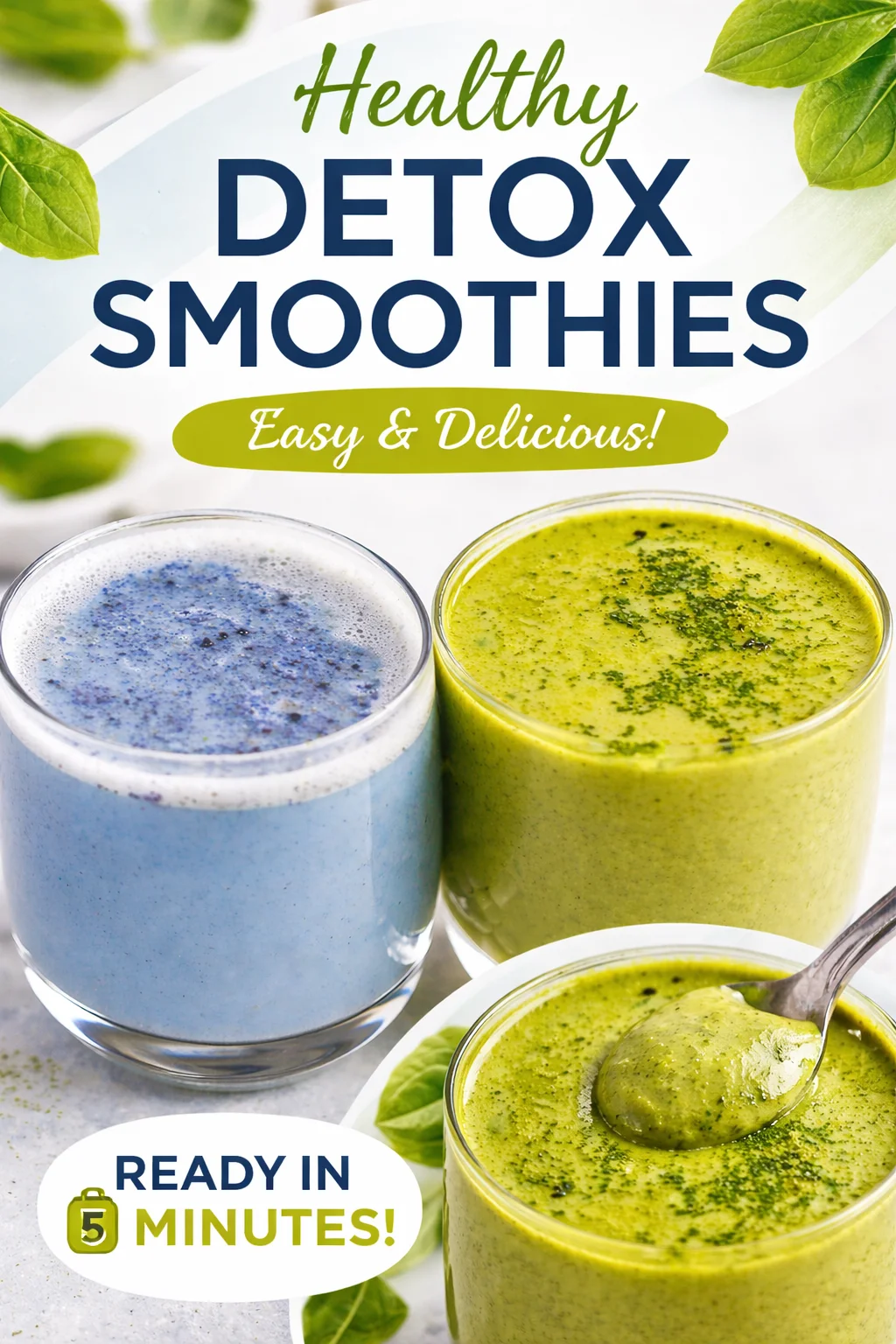
blue spirulina vs green spirulina comes up in my kitchen a lot, usually when I want a smoothie to look fun but still feel like I did something healthy. If you have ever stood in front of your pantry holding two little tubs of powder, wondering which one actually makes sense for your routine, you are not alone. One gives you that bright ocean blue color, and the other has the classic earthy green vibe. They are both “spirulina” in the casual way we talk about it, but they do not behave exactly the same in recipes. Let’s sort it out in plain English, with real food tips you will actually use. 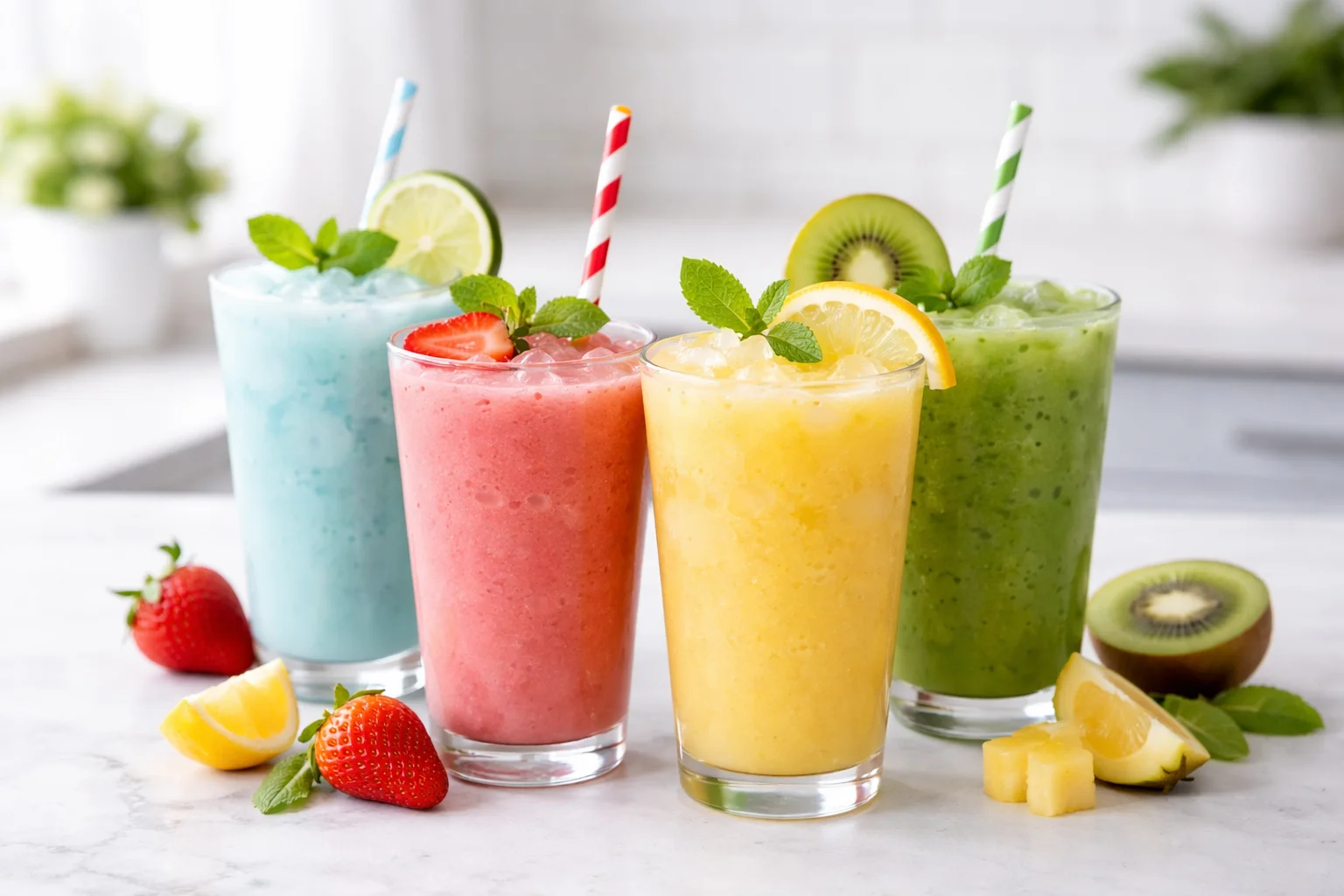
Green Spirulina vs Blue Spirulina
Okay, so here is how I explain it to friends: green spirulina is the original whole algae powder, and blue spirulina is more like the pretty, color focused cousin. Green spirulina is usually a deep green powder that can taste a bit “pond-ish” if you use too much. Blue spirulina is typically an extract (often phycocyanin) that brings color with a milder flavor.
If you are choosing based on what you will actually drink, this matters. Green spirulina can be more noticeable in taste, especially in a simple smoothie with just banana and milk. Blue spirulina tends to be easier to hide in sweet recipes, which is why I love it in fun weekend breakfasts like these blue spirulina pancakes with oat flour.
Here is the quick personality test I use:
- Pick green spirulina if you want the whole food style powder and you do not mind a stronger earthy taste.
- Pick blue spirulina if you want bright color, a lighter flavor, and more “wow” for bowls, smoothies, and puddings.
Also, think about the vibe. Green spirulina makes things look like a classic green smoothie. Blue spirulina makes you feel like you are drinking something from a beach cafe even if you are in sweatpants in your kitchen.
What is the Difference Between Green and Blue Spirulina?
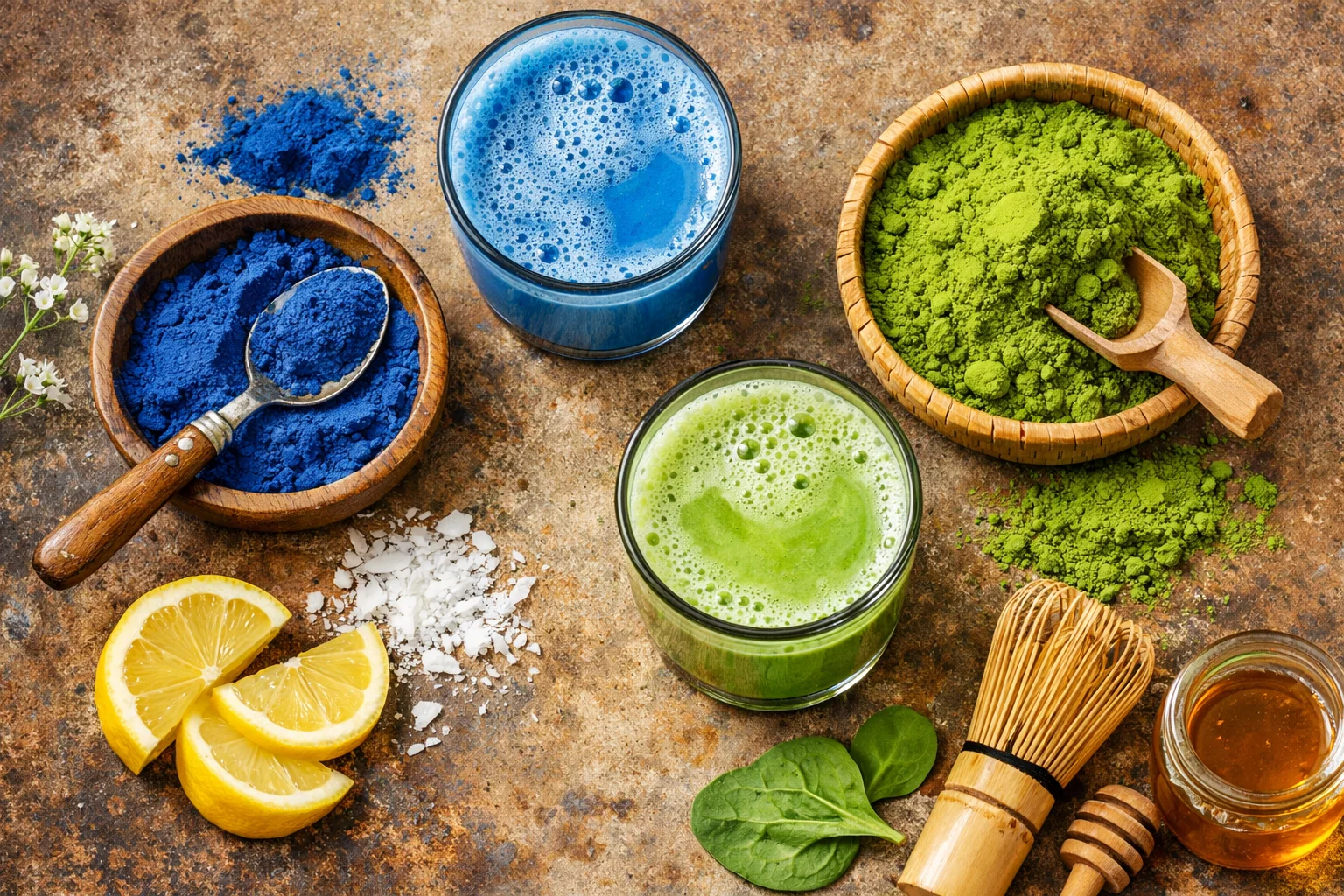
Let’s get clear because labels can be confusing. Green spirulina is generally the dried, ground form of spirulina (an algae). Blue spirulina is usually a concentrated component pulled from spirulina, known for its blue pigment.
Color, taste, and what you are actually buying
The biggest difference you will notice right away is color. Green spirulina turns smoothies and yogurt a true green. Blue spirulina gives that bright turquoise blue that makes everything look like a mermaid snack.
Taste-wise, green spirulina is stronger. Blue is milder, but it can still have a tiny ocean hint if you overdo it. I always start with a small amount, then add more if I want deeper color.
How they behave in smoothies and everyday recipes
Green spirulina pairs really well with fruity and tart flavors that can stand up to it. Think pineapple, mango, kiwi, and berries. If you want a simple place to start, try a fruit forward recipe like this berry green smoothie. It is one of those blends where the berries do a lot of heavy lifting, flavor-wise.
Blue spirulina, on the other hand, is my pick for creamy things: coconut yogurt, chia pudding, banana smoothies, and “nice cream.” If you are into meal prep breakfasts, it looks so good in layered jars. I have made versions similar to this healthy blue chia pudding when I want breakfast to feel a little special on a Tuesday.
One more practical difference: some blue spirulina powders can lose color if you heat them too much. So if you are baking, you might not get that bright blue you expected. For no-cook recipes, it usually shines.
Potential Health Benefits of Spirulina
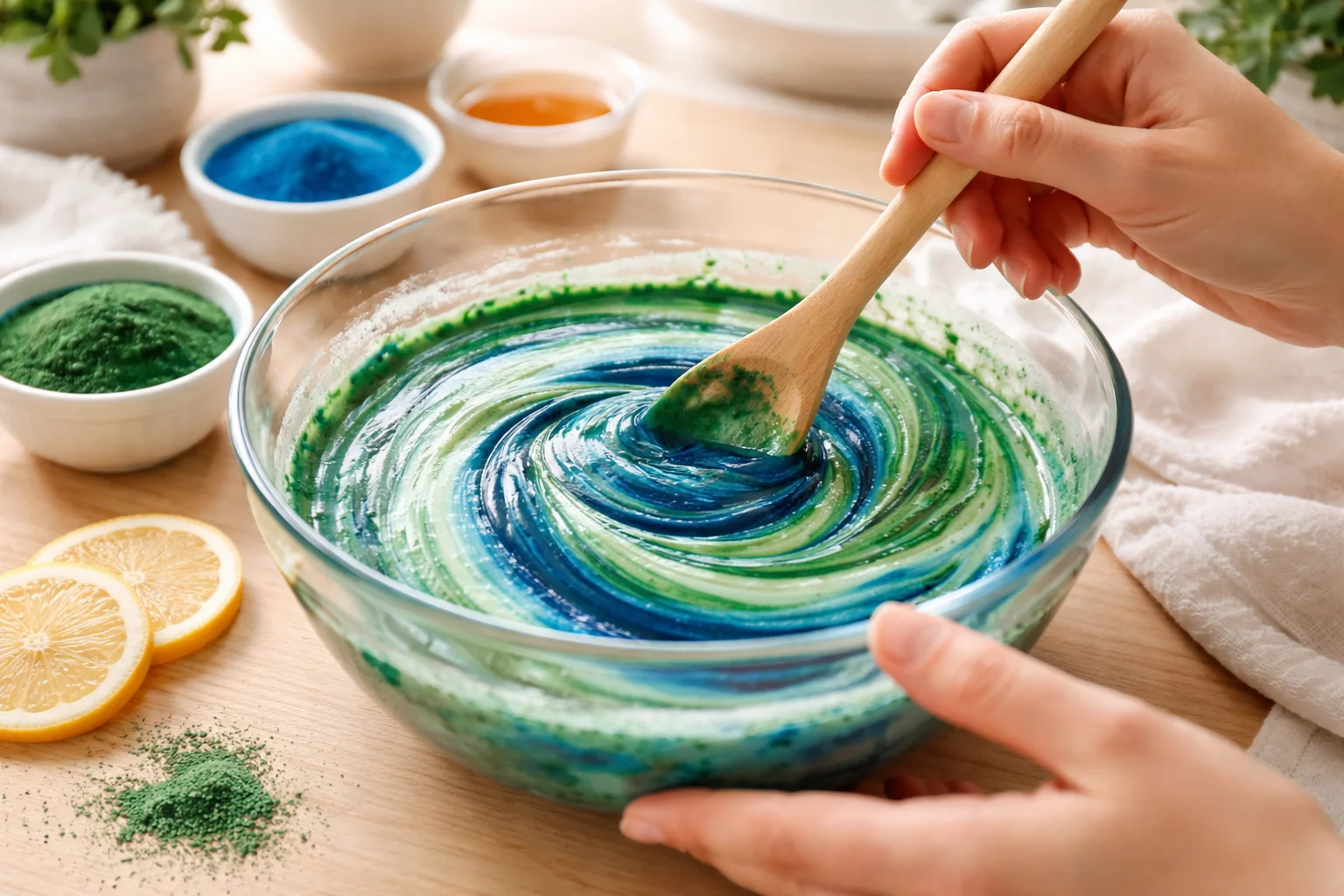
People love spirulina because it is nutrient dense. While I am not here to promise miracles, I do think it can be a nice add-on if your basics are already solid (you know, fruits, veggies, protein, sleep, water, the boring but real stuff).
In everyday terms, spirulina is popular because it contains:
Protein, plus a mix of vitamins and minerals, and naturally occurring compounds that many people associate with antioxidant support. Green spirulina usually includes more of the full spectrum of what is in the algae since it is the whole powder. Blue spirulina is often used for its specific pigment, which is commonly talked about in antioxidant conversations.
What I’ve noticed personally is not a dramatic “I can run a marathon now” feeling. It is more like I feel good knowing I added something concentrated to my smoothie, especially on weeks when my veggie intake is not winning any awards. If you want a gentle, approachable way to build a routine, bookmarking a few go-to blends helps. I rotate recipes like this collection of green smoothie recipes for energy so I do not get bored and quit after three days.
“I started adding a small scoop of spirulina to my morning smoothie, and it made me feel like I was finally consistent with something healthy. The color was intense at first, but once I got the amount right, it became part of my routine.”
Potential Risks of Spirulina
Now for the not so fun part, but it matters. Spirulina is not automatically perfect for everyone, and quality really counts. If you are comparing blue spirulina vs green spirulina for daily use, you should also think about where it is sourced and how you feel after taking it.
Here are the big caution points I tell friends:
- Quality and contamination: Buy from brands that test for heavy metals and contaminants. Spirulina is grown in water, and quality control makes a real difference.
- Digestive surprises: Some people feel bloated or queasy if they start with too much. Start small.
- Medication and health conditions: If you are pregnant, breastfeeding, have autoimmune issues, or take blood thinners or other medications, it is smart to check with a healthcare professional first.
- Allergies or sensitivities: Rare, but possible. If you feel off, stop and reassess.
Also, a very real tip: spirulina can stain counters and clothes. I learned that the hard way with blue spirulina. Cute smoothie bowl, not cute blue fingertips.
How to Add Spirulina to Your Diet
This is the part I get excited about because spirulina is easy once you stop overthinking it. The secret is using small amounts and pairing it with flavors that make sense.
My easy “starter” method (so you do not waste a whole bag)
If you are new, start with half a teaspoon in something sweet and thick. A banana smoothie is a forgiving place to start. For green spirulina, I like adding strong flavors like pineapple and ginger. For blue spirulina, I go creamy with coconut milk or yogurt.
Here are a few practical ways to use it without making your drink taste like a lake:
- Smoothies: Add a small scoop and blend well. If you want a classic green option, try this green smoothie for gut health.
- Chia pudding: Mix into the liquid before adding chia so the color spreads evenly.
- Oatmeal: Stir blue spirulina into overnight oats or cooled oatmeal for color. Hot heat can dull it.
- Yogurt bowls: Mix a pinch in, then top with fruit and granola.
- Pancakes: Blue spirulina looks adorable, but do not expect neon after cooking. Still fun though.
If you want my favorite lazy combo, it is frozen banana, a splash of milk, a spoon of yogurt, and a tiny bit of blue spirulina. It tastes like dessert but feels like breakfast.
And if you are still deciding between blue spirulina vs green spirulina for smoothies, think of your goal. If you want more veggie style blends, green makes sense. If you want pretty treats that still feel healthy, blue is the easy win.
Common Questions
1) Does blue spirulina have the same nutrition as green spirulina?
Not always. Green spirulina is usually the whole algae powder. Blue spirulina is often an extract, so it may not include the full range of nutrients found in the whole food version.
2) Which one tastes better?
Most people find blue spirulina milder. Green spirulina has a stronger earthy taste, so it usually needs more fruit or stronger flavors to balance it.
3) Can I use spirulina every day?
Many people do, but start small and see how you feel. If you have medical conditions, are pregnant, or take medications, check with a healthcare professional.
4) Why did my blue spirulina turn dull or gray?
Heat and certain acidic ingredients can affect color. Try adding it to cooler recipes like smoothies, yogurt, or chia pudding for the brightest look.
5) What is the easiest beginner recipe?
A thick banana smoothie or chia pudding. They hide flavor well and let you control color slowly without wasting ingredients.
A quick wrap up before you blend
If you have been stuck on blue spirulina vs green spirulina, it really comes down to taste, color, and how you plan to use it. Green spirulina is the classic whole powder with a stronger flavor, and blue spirulina is the color focused option that feels extra fun in smoothies and breakfast jars. Start with a tiny amount, buy from reputable brands, and build your perfect blend from there. If you want a deeper dive, I liked this read on Blue vs Green Spirulina: What’s the Difference? – Goodnature. Now go make something bright, snap a picture if you are proud of it, and let it be one small healthy thing that actually feels doable this week.