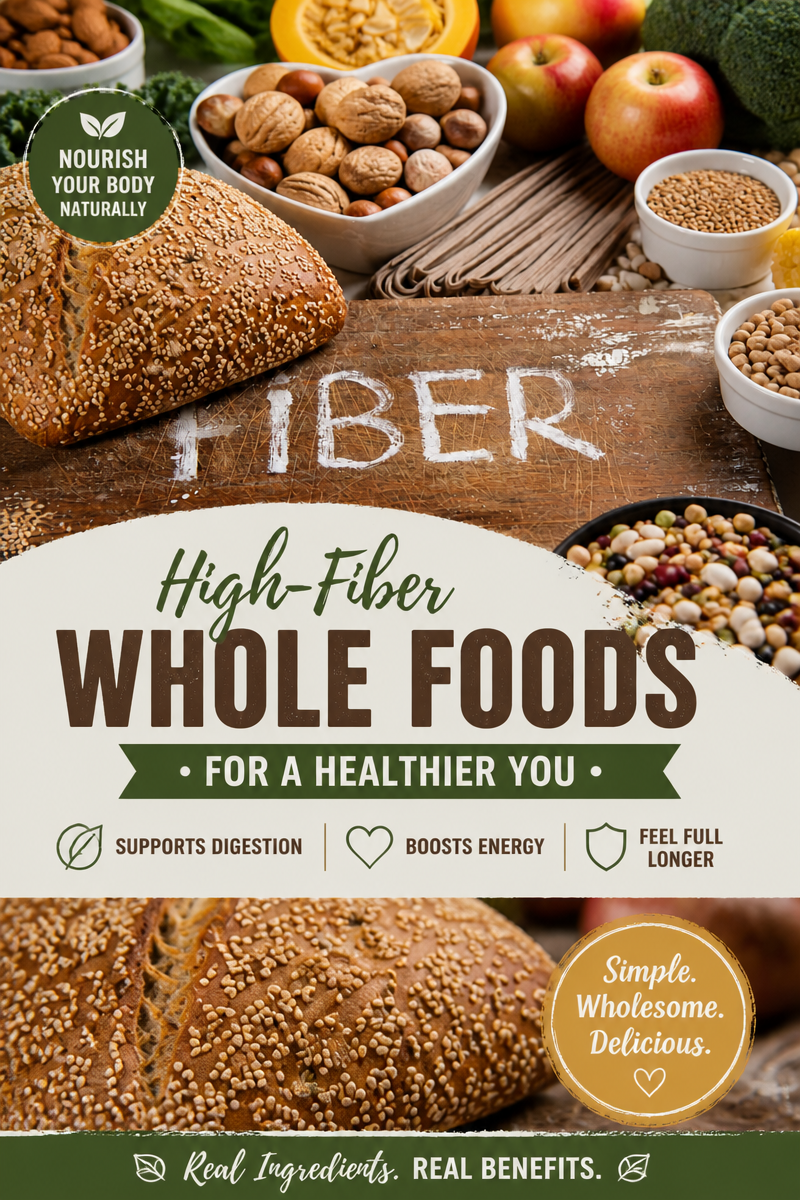
How to add more fiber to your diet is one of those things I always think I’m doing great with… until I realize my lunch was basically coffee and a granola bar. If you’ve ever stared at your plate and thought, “Where is the real food here?” you’re not alone. The good news is you can boost fiber without turning every meal into a boring bowl of bran. I’m going to share my easiest, most realistic moves, plus my go to “fiber booster bowl” that I make when I need something fast. Also, if you’re a smoothie person, check out these smoothie oxidation prevention tips because I used to wonder why my smoothies tasted weird after a bit, and yep, that was part of it. 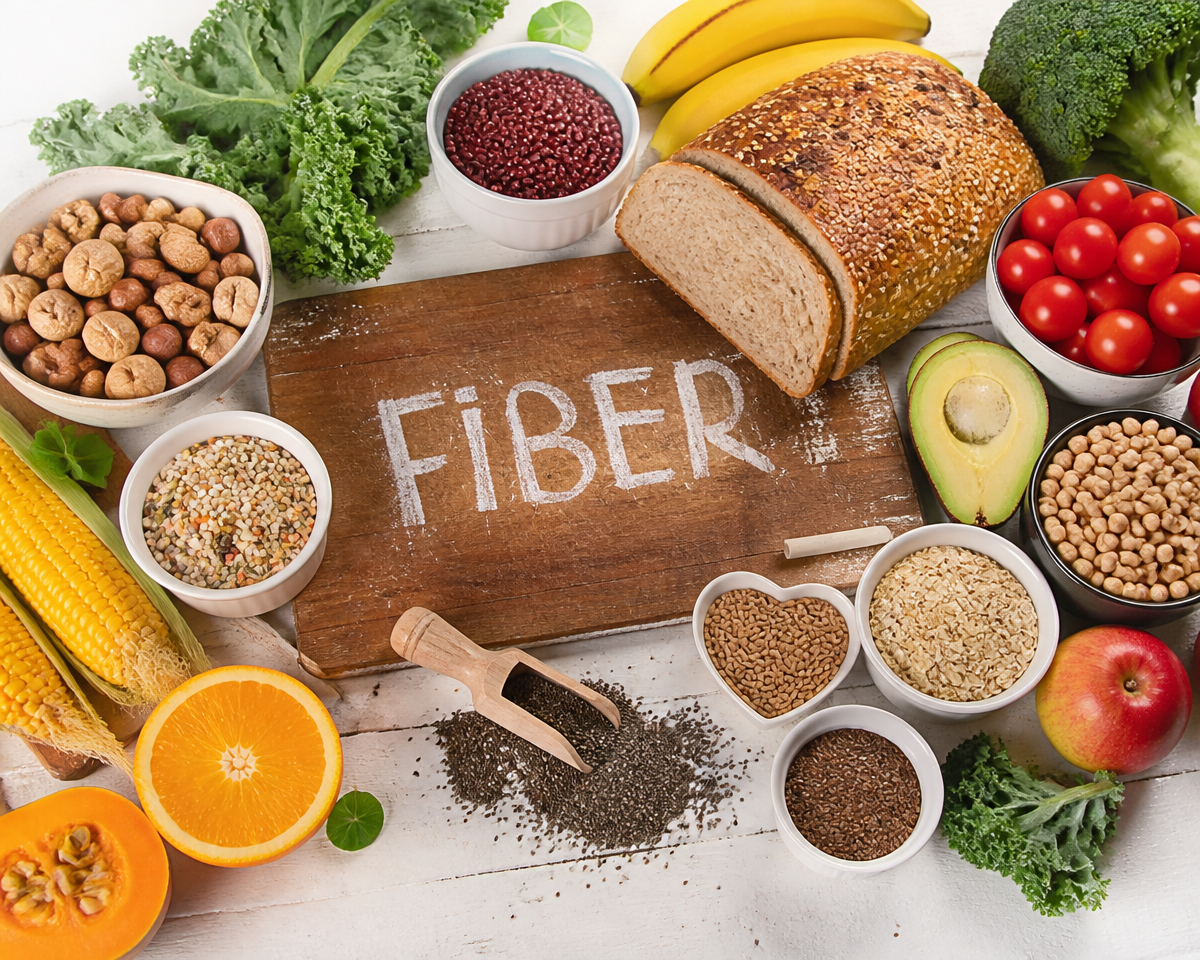
Understand your fiber needs
Before you start tossing chia seeds on everything, it helps to know what you’re aiming for. Most adults do well around 25 to 38 grams of fiber a day, depending on age and sex. A lot of us fall short because we lean on quick carbs that are low in fiber, like white bread, crackers, and pastries.
Here’s my simple way to think about it: try to get fiber into every meal, not just one “healthy” meal. When I spread it out, my stomach feels calmer and I’m less snacky at 9 pm.
Quick, no stress signs you might need more fiber include:
- You feel hungry again super fast after meals
- Your digestion feels sluggish or unpredictable
- You rarely eat beans, whole grains, nuts, or veggies
One more real talk tip: if you’re currently low fiber, don’t jump from 10 grams to 35 overnight. That can lead to gas and bloating, and then you’ll blame the beans when it was really the sudden change.
Get fiber from food first
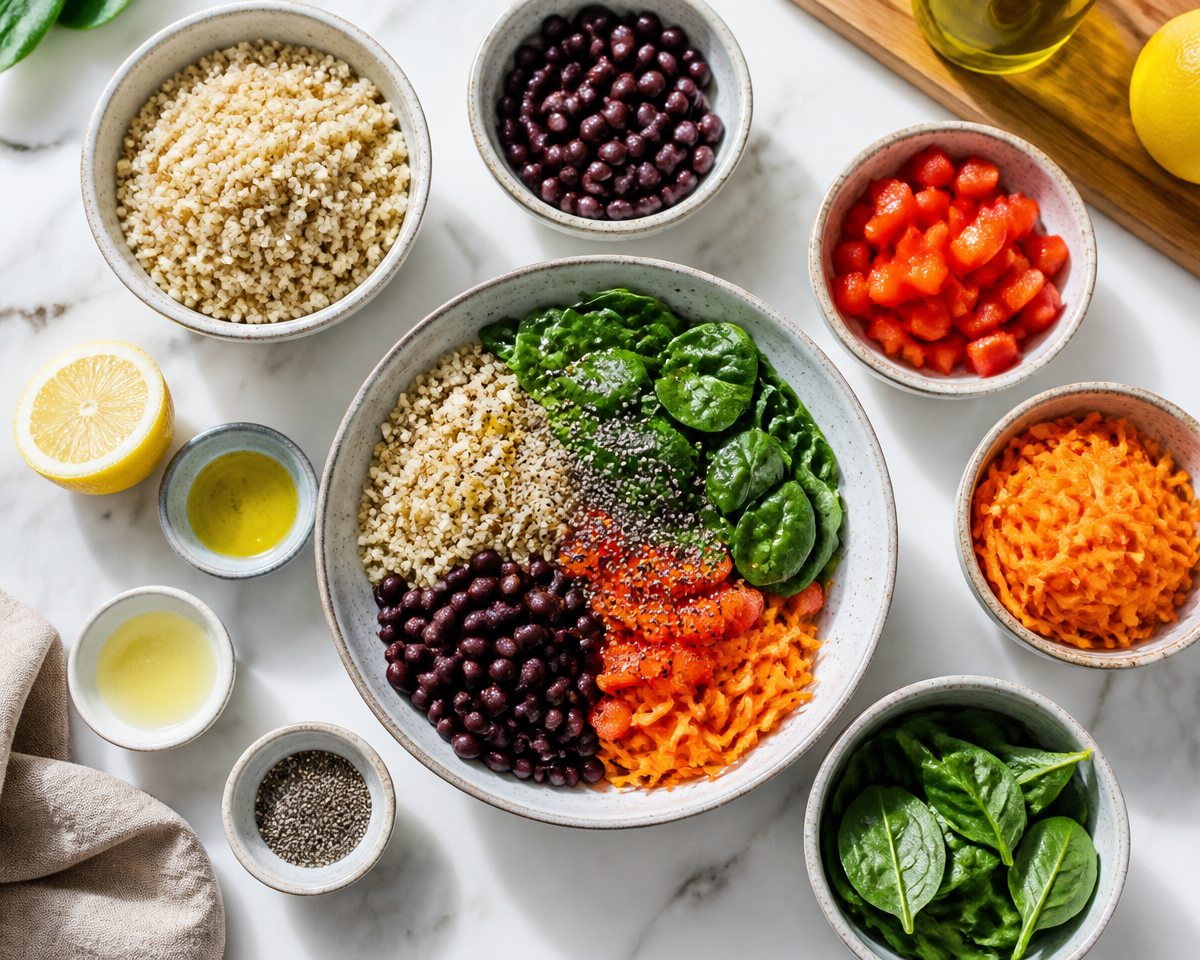
This is where I get excited, because fiber can be seriously delicious. My favorite “fix everything” meal is what I call my Fiber Booster Bowl. It’s cozy, crunchy, and you can make it out of whatever you already have.
My favorite Fiber Booster Bowl (easy recipe)
I started making this when I wanted something filling but didn’t want to cook a whole big recipe. It also helped me learn how to add more fiber to your diet without overthinking it.
What you’ll need
- Base: 1 cup cooked oats or brown rice or quinoa
- Fiber hero: 1 half cup beans or lentils (canned is fine, rinse them)
- Crunch: a handful of chopped veggies like cucumber, bell pepper, shredded carrots, or spinach
- Healthy fat: 1 tablespoon chia seeds or ground flax, or a quarter avocado
- Flavor: olive oil plus lemon, or salsa, or plain Greek yogurt with spices
- Optional: berries or diced apple if you want it slightly sweet
How I throw it together
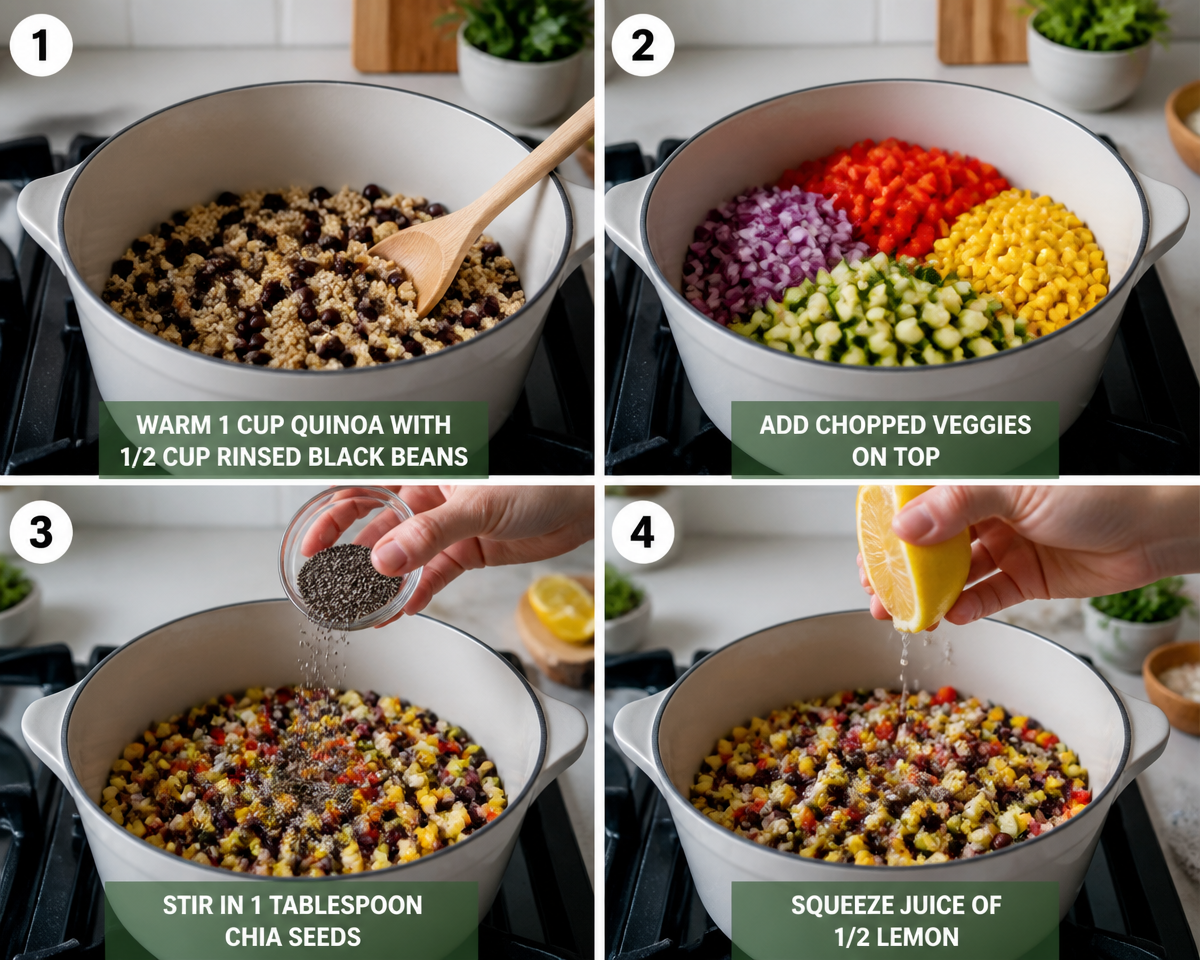
I warm the grain and beans together first so the bowl feels comforting. Then I add the crunchy veggies on top so it’s not all soft. I finish with chia or flax, then whatever sauce matches my mood. If I have lemon, I squeeze it on everything because it instantly tastes brighter.
If you’re doing more blending and juicing to sneak in plants, you’ll want to keep your gear clean so flavors stay fresh. I learned that the hard way, so here’s a helpful guide on how to clean a juicer properly.
Little food swaps that add up fast:
Choose whole fruit instead of juice when you can. Pick whole grain bread over white bread. Add beans to salads, tacos, and pasta sauces. You don’t need to be perfect, you just need to be consistent.
“I started adding beans to my lunch salads and swapping in oats at breakfast like you suggested. Two weeks later I felt more full after meals and my digestion finally chilled out.”
Stay hydrated
If there’s one mistake people make when they increase fiber, it’s forgetting water. Fiber works best when it can soak up fluid and move smoothly through your system. When I’m not drinking enough, I can feel it, and it’s not fun.
I keep it simple: I drink a full glass of water when I wake up, another with lunch, and I sip through the afternoon. If plain water feels boring, I make something light and refreshing. This lemon water detox recipe is an easy way to make hydration feel like a treat instead of homework.
Also, if you’re adding higher fiber foods like beans, lentils, chia, and bran, be extra mindful with liquids that day. Your body will thank you.
Eat lots of different sources of fiber
Not all fiber acts the same, and that’s a good thing. Some types help you feel full, some support steady energy, and some help keep digestion regular. The easiest way to cover your bases is variety. I try to rotate my fiber sources across the week instead of obsessing over a single “superfood.”
My simple rotation that keeps meals interesting
Here are the categories I lean on, and I mix and match them like a playlist:
Legumes: black beans, chickpeas, lentils, split peas
Whole grains: oats, barley, quinoa, brown rice, whole wheat pasta
Fruits: raspberries, pears, apples, oranges, dried figs in small amounts
Veggies: broccoli, carrots, Brussels sprouts, leafy greens, sweet potatoes
Nuts and seeds: chia, flax, pumpkin seeds, almonds
If you’re busy, smoothies can help you stack fiber fast, especially if you add berries, spinach, oats, chia, or nut butter. If you want to prep ahead, I’m a big fan of freezing smoothie packs, and this guide on how to freeze smoothies properly makes it really straightforward.
And on those tense, stressful weeks when you’re reaching for cookies instead of real food, calming drinks can help you slow down and choose better meals. I like this post on adaptogens for stress relief drinks for cozy ideas that feel like self care.
One more thing I’ve noticed: when I’m trying to figure out how to add more fiber to your diet, I do better when I focus on adding, not restricting. Add beans to the taco. Add berries to the yogurt. Add greens to the pasta. It keeps the vibe positive, and you stick with it.
Consider fiber supplements if you can’t get enough fiber through food
I’m always going to vote food first because it comes with vitamins, minerals, and that whole “actually tastes good” factor. But life is busy. Travel happens. Some people have picky stomachs or limited food options. So yes, fiber supplements can be helpful if you truly can’t hit your needs through meals.
How to use supplements without making your stomach mad
If you’re thinking about adding one, here’s the safe, common sense approach I follow:
- Start with a small amount, like half a serving, for a few days
- Increase slowly as your body adjusts
- Drink extra water with it
- If you take medications, check timing so the fiber doesn’t interfere with absorption
Common options include psyllium husk, inulin, wheat dextrin, and methylcellulose. People react differently, so if one makes you gassy or crampy, it may not be your match. And if you have ongoing digestive issues, it’s worth asking a healthcare professional for guidance.
Personally, I treat supplements like a backup plan, not the main plan. Most days, my Fiber Booster Bowl and a couple smart snacks do the job. When I want a more “drinkable” plant boost, I sometimes make a spicy, veggie heavy juice. This anti inflammatory detox juice is a good one to try if you like bold flavor.
Common Questions
How to add more fiber to your diet without feeling bloated?
Go slow and spread it out across the day. Add one new fiber habit at a time, like oats at breakfast or beans at lunch, and drink more water.
What is the easiest high fiber breakfast?
Oats with chia seeds plus berries is my easiest win. If you’re in a rush, blend a smoothie with berries, spinach, and ground flax.
Do I need to count grams of fiber every day?
Not forever. It can help for a week or two just to learn what foods give you the most. After that, you’ll start to “feel” what a fiber friendly plate looks like.
Are smoothies enough for fiber?
They can help a lot, but make sure you’re using whole fruits and add ins like chia, flax, or oats. And drink them fresh when possible so they taste better and keep their texture.
Can kids eat more fiber too?
Yes, but keep it balanced and gentle. Fruits, oatmeal, beans in soups, and whole grain toast are easy starting points, and water matters for them too.
A little pep talk before you cook
Once you get the hang of how to add more fiber to your diet, it stops feeling like a nutrition project and starts feeling like normal food. Keep it simple, aim for variety, and remember that water is part of the deal. If you want more ideas from pros, I like Add More Fiber to Your Diet: 15 Tips from Dietitians, and this Chart of high-fiber foods – Mayo Clinic is great when you’re standing in the kitchen wondering what to grab. Try the Fiber Booster Bowl this week, tweak it to your taste, and tell yourself it counts even if dinner is messy and quick. Small changes really do add up.