smoothie oxidation prevention tips are the little things that save you from that sad moment when you open the fridge and your bright, happy smoothie has turned into a brown, swampy mystery. I have been there, especially on busy mornings when I blend fast, take a few sips, then promise myself I will finish it later. Spoiler: later usually means I find it after a meeting, and it looks… not great. The good news is browning is super normal, and it does not automatically mean your smoothie is unsafe. It just means air has been hanging out with your fruit for too long. Let me show you the easiest ways I keep my smoothies looking fresher for longer without making life complicated.
Preventing Smoothie Oxidation: The Ultimate Storage Hack
If you only take one idea from this post, make it this: limit air exposure. Browning happens when oxygen reacts with ingredients like bananas, apples, and avocado. It is the same reason an apple slice turns brown on the counter.
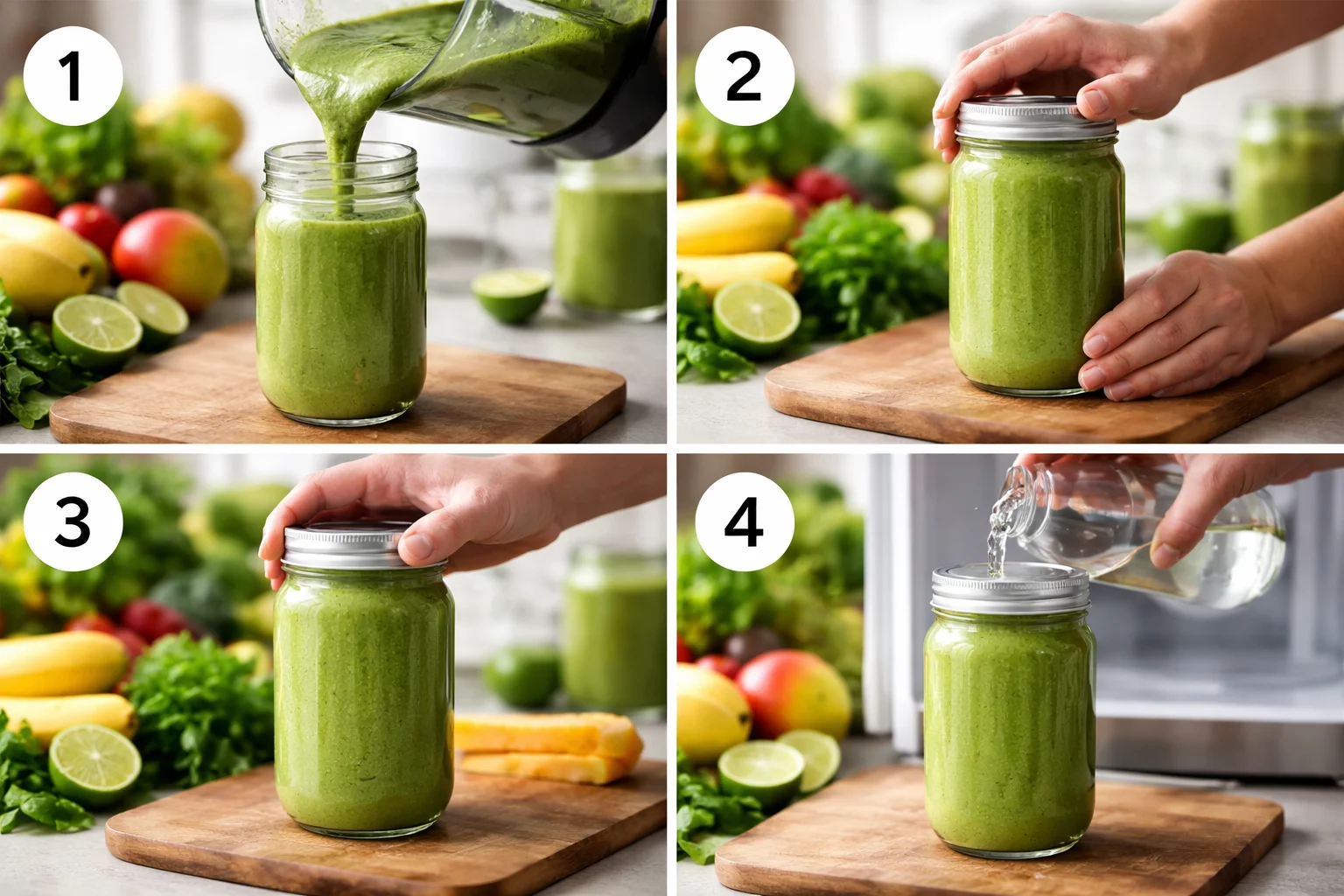
My ultimate storage hack is filling the container all the way up, then sealing it tightly. No big air pocket means less oxygen to cause trouble. If I know I will not finish a smoothie right away, I pour it into a smaller jar so it reaches the top. This one tiny move makes a bigger difference than people expect.
My quick “no brown layer” routine
- Pour the smoothie into the smallest container that fits it.
- Tap it on the counter to pop big bubbles.
- Fill to the brim, seal tight, and refrigerate right away.
- If there is still space, add a little extra milk or water so it reaches the top.
Also, a little acid helps. A squeeze of lemon or lime can slow oxidation. I do this most often with banana based blends because bananas love to brown. You do not need to make it sour, just a quick squeeze is enough.
And if your smoothie is thin and you are tempted to “fix it later,” do that now. A watery smoothie separates faster, which makes it look worse over time. I keep this guide bookmarked for those days: simple tips to fix a watery smoothie.
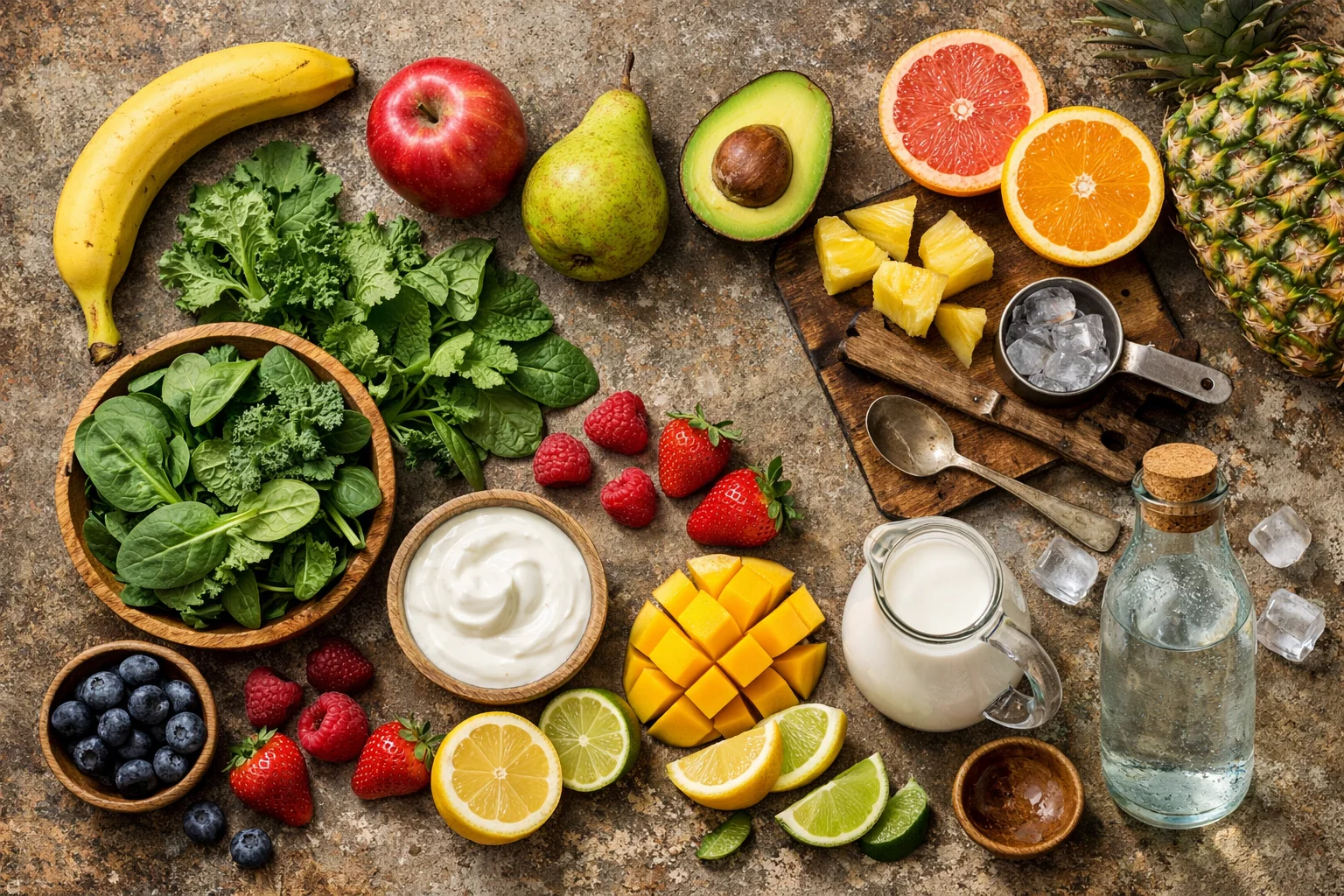
The Art of Storing Smoothies for Future Enjoyment
I love the idea of making smoothies ahead, but I only love it when they still taste good later. Here is the real talk: you can store smoothies and still avoid the dreaded brown color, but timing and temperature matter.
For fridge storage, you want to chill it fast. Do not leave it on the counter “just for a bit.” If I am cleaning up the kitchen, I still put the smoothie away first, then deal with the blender. Cold slows oxidation, and it also slows separation.
For longer storage, freezing is your best friend. Freezing basically pauses everything. I freeze extra smoothies in jars (leaving space at the top) or in silicone molds, then blend the cubes with a splash of liquid later. If you want the full step by step, this one is really handy: how to freeze smoothies properly.
One more thing that helps with oxidation is ingredient choice. Berries hold up better than bananas and apples. If you want a bright, pretty blend that stays vibrant, I make this on repeat: berry green smoothie recipe. It is naturally colorful, and even the next day it still looks like something I actually want to drink.
“I started filling my smoothie jar all the way and adding a squeeze of lemon. It stopped getting that weird brown top layer by lunchtime. Such an easy fix.”
Choosing the Right Containers for Storing Leftover Smoothies
Containers matter more than I used to think. I was the person storing smoothies in random cups with loose lids, then wondering why they looked tired an hour later. The right container keeps air out, reduces leaks, and makes your smoothie feel grab and go instead of “maybe I will drink it.”
Here is what I actually use:
- Small glass jars with tight lids: Great for the fill to the top trick and they do not hold smells.
- Stainless steel bottles: Awesome for keeping it cold, especially if you are out and about.
- Freezer safe jars: Only if you leave room for expansion. Nobody wants a smoothie explosion.
I also avoid wide containers when I can. A wide container means more surface area touching air when you open it, which encourages browning. Narrower bottles keep the exposed area smaller.
If you are into planning ahead, smoothie packs are a game changer. You portion your fruits and greens into freezer bags, then blend fresh in the morning. Fresh blended means less time for oxidation to show up. I like this guide for keeping it simple: smoothie meal prep guide.
Extending the Shelf Life of Your Smoothies: How Long Can They Last in the Fridge?
Let us talk about the question everyone asks: how long is too long? For most homemade smoothies, I aim for 24 hours in the fridge for best flavor and texture. You can sometimes push to 48 hours, but it depends on what is inside.
These ingredients tend to brown faster:
- Banana
- Apple and pear
- Avocado
- Leafy greens (they can dull in color)
These ingredients tend to hold up better:
- Berries
- Citrus
- Pineapple and mango
- Yogurt (helps keep things creamy)
My personal rule is: if it smells fine, tastes fine, and has been stored cold in a sealed container, it is usually okay. If it smells sour (and it is not supposed to), has fizzy bubbles, or tastes “off,” toss it. Trust your senses.
One more reminder: the goal is not just safety, it is keeping it enjoyable. Smoothie oxidation prevention tips help you keep that fresh taste and color, but texture matters too. If it separates, just shake it hard or re blend for a few seconds.
The Ultimate Guide to Making Smoothies: Tips and Tricks
This is the part where I sound like your smoothie buddy who learned things the messy way. If you want fewer brown smoothies, start at the blender. The way you build the smoothie affects how much air gets whipped in and how fast it changes color.
Tip 1: Add citrus or vitamin C on purpose
A squeeze of lemon, lime, or a few orange segments can help slow oxidation. It is easy and it brightens the flavor too. If citrus does not match your vibe, a handful of strawberries can help since they bring natural vitamin C.
Tip 2: Blend just enough, not forever
Over blending can whip in more air. You want it smooth, not foamy. I blend until it looks creamy and stop. If your blender is not fancy, you can still do it. Use softer fruits, cut ingredients smaller, and add liquid first. If you need help, this guide is reassuring: how to blend smoothies without a high speed blender.
Tip 3: Use frozen fruit to keep it colder longer
Frozen berries or mango keep the smoothie cold and thick, which slows oxidation and separation. It also means you use less ice, which keeps the flavor stronger.
Tip 4: Choose color saving ingredients
If you want a smoothie that stays pretty, berries are your best friend. They bring bold color that does not fade as fast. I also love spinach, but I pair it with blueberries so it stays that deep purple instead of turning a dull shade. If you want a simple combo that tastes like a treat, try a blueberry and greens blend like this: blueberry spinach smoothie recipe.
Tip 5: Make peace with a little color change, but prevent the gross kind
Some color change is normal. The key is preventing that strong brown top layer and that flat, old flavor. This is where those smoothie oxidation prevention tips really shine: fill the container, seal it tight, chill fast, and use a little citrus when it makes sense.
Common Questions
Why do my smoothies turn brown even in the fridge?
Usually it is oxygen in the container or foam from blending. Filling the container to the top and sealing it tight helps a lot.
Does lemon juice change the taste?
If you add a tiny squeeze, it usually just tastes brighter. Start small, especially with creamy smoothies.
Can I store a smoothie in a shaker bottle?
Yes, as long as it seals well. Just try to choose the right size so there is not a huge air gap.
Is a brown smoothie unsafe?
Not automatically. Browning is often just oxidation, not spoilage. If it smells sour, tastes weird, or seems fizzy, do not drink it.
What if I want to replace meals with smoothies?
Make sure it is balanced with protein, fiber, and healthy fats so you stay full. This is a helpful read if you are considering it: tips for replacing meals with smoothies safely.
Your Next Smoothie is Going to Look Better, Promise
If you remember nothing else, remember this: air is the enemy, cold is your helper, and a little citrus is a nice secret weapon. Keep using smoothie oxidation prevention tips like filling your jar to the brim and sealing it tight, and you will see a big difference fast. If you want even more storage help, I also liked reading How to Save Smoothies for Later: 3 Tips for Keeping Them Fresh because it lines up with what actually works in real life. Now go blend something you are excited to drink, and store the leftovers like a pro so tomorrow you is not stuck staring at a brown cup in the fridge.