natural sweeteners for beverages can feel like a puzzle. You want your drink to taste amazing without a sugar crash or weird aftertaste, right? I get it. When I started upgrading my morning coffee and afternoon iced teas, I had questions too. Do I go with honey, maple, or that dropper bottle everyone raves about? If you also wonder how juices and smoothies compare for sweetness and texture, this quick read on which is better, juice or smoothies is handy. Let’s make this simple and delicious together. 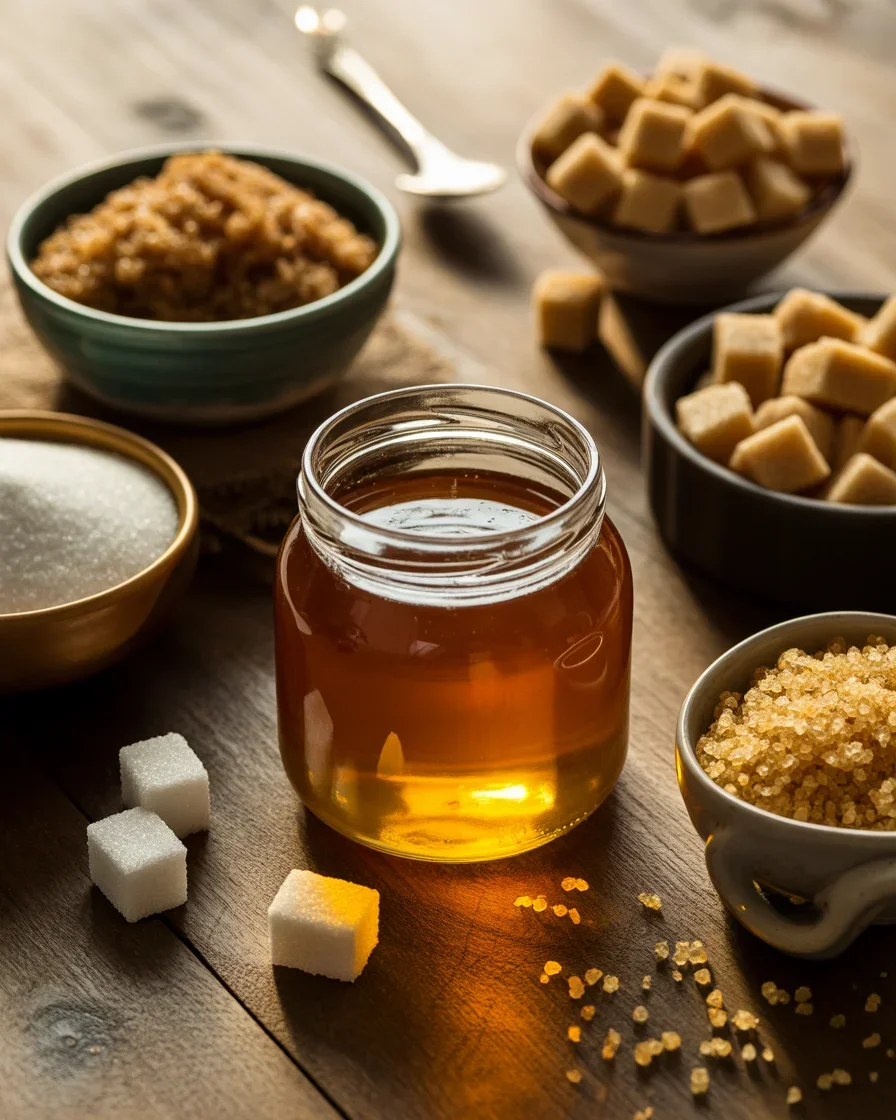
Selecting the Right Sweetener for Your Beverage
Quick Taste Profile Guide
Choosing the best sweetener comes down to what drink you’re making and how you want it to taste. For creamy drinks like lattes, I like richer options such as maple syrup or date syrup. They blend smoothly and bring warm caramel notes. For iced tea and lemonade, I reach for honey or agave since they dissolve easily and play nicely with citrus. And if you’re watching your sugar, monk fruit and stevia can be lifesavers when used with a light hand.
Here’s how I match common choices with drinks I make at home:
- Honey: Gorgeous in hot tea, ginger lemon tea, or a milk steamer. Look for raw, unfiltered honey for a rounder flavor.
- Maple syrup: Excellent in coffee and cocoa. It brings a cozy note that feels like a hug in a mug.
- Date syrup: Perfect for smoothies, banana shakes, or iced coffee if you want a caramel vibe without refined sugar.
- Agave: Mild and neutral. Good for cold drinks where you don’t want the sweetener to shout.
- Stevia or Monk fruit: Ultra-concentrated, great for low-calorie sweetness. Start tiny and taste as you go.
When I want something refreshing and energizing, I’ll pair a light sweetener with a bright juice. On long workdays, I love this beet juice recipe for energy and add just a tiny drizzle of honey to balance the earthiness. The right match matters because natural sweeteners for beverages should lift the flavor of your drink, not cover it up.
“Switching from white sugar to maple syrup changed my morning coffee. It tastes fuller and I don’t feel that sharp crash mid-morning.”
Once you find your favorites, you’ll start to sense what each drink is asking for. It’s a fun little game for your taste buds. 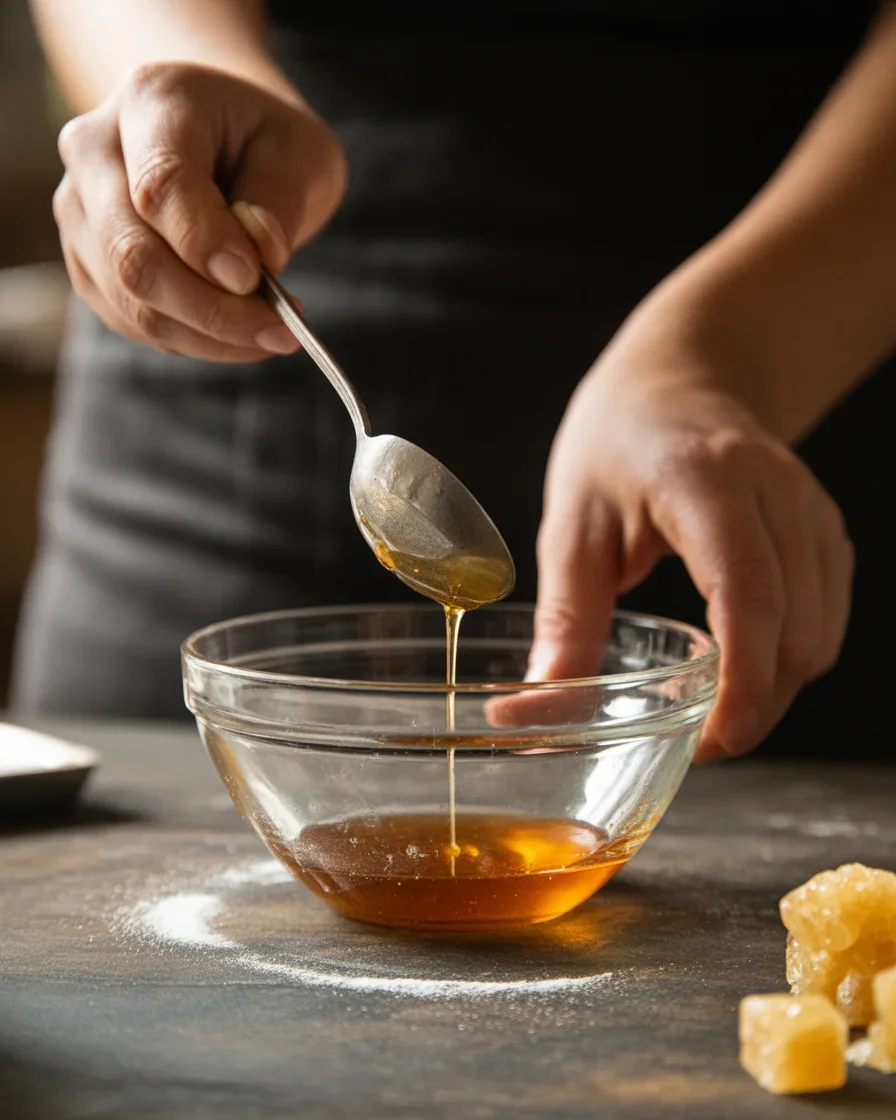
Understanding Sweetener Terminology
What labels really mean
Labels can be confusing, so here’s a quick tour in plain language. Glycemic Index (GI) helps you understand how fast a sweetener may raise blood sugar. Lower is generally steadier. Net carbs is a term you’ll see in low-carb products, but it’s not a free pass to go wild. Always watch your serving sizes, especially in daily drinks.
Raw or unfiltered honey means it has been minimally processed, often with more flavor and sometimes pollen content. Refined sweeteners are processed more, usually with a cleaner, more neutral taste. If you’re sensitive to aftertastes, test a small amount first. Your palate will tell you quickly what works.
Some folks also think all “natural” equals low sugar. Not always. Honey, maple syrup, and dates are still sugars, just with extra flavor and sometimes trace minerals. They’re lovely, just use mindfully. And if you’re preparing drinks for pregnancy or for kids, choose gentle options, and check ingredients. For a nutrient-packed sip, here’s a friendly green smoothie recipe for pregnancy that balances sweetness with whole-food goodness. This is where understanding natural sweeteners for beverages really helps you craft drinks that feel good in your body and taste amazing.
Lastly, consider storage. Liquid sweeteners like honey and maple are stable at room temperature once opened, while fruity syrups should be refrigerated. Fresh date paste should be sealed tightly and chilled for the best texture. 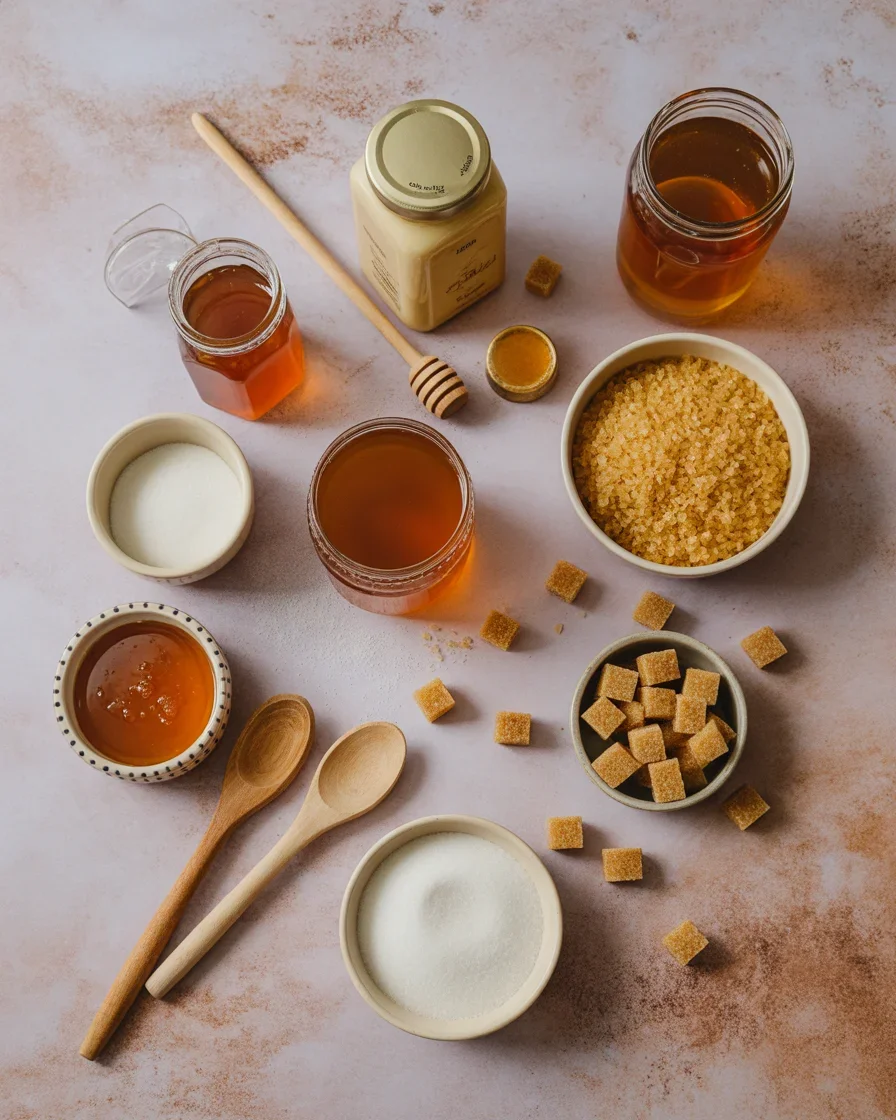
Types of Sweeteners: Natural vs. Artificial
When we compare categories, it’s really about flavor, digestion, and how your drink behaves. Natural sweeteners include honey, maple syrup, coconut sugar, date syrup, fruit juice concentrates, and whole fruit like bananas or berries in smoothies. Artificial sweeteners, on the other hand, are lab-made and can bring a powerful sweetness without calories. Some people love them, some get an aftertaste. There are also sugar alcohols like erythritol and xylitol, which can be helpful in small amounts but may cause tummy troubles for some.
Personally, I use artificial options sparingly because I prefer the round, cozy flavors of natural ones. But if you’re cutting calories, a blend can be helpful. For example, a tiny pinch of stevia plus a small amount of maple syrup can keep sugar lower while preserving flavor. If your stomach is sensitive, try drinks that are gentle on the gut and sweeten with ripe fruit or a touch of honey. I love pairing sweetness with fiber and probiotics, like in this green smoothie recipe for gut health. Remember, with natural sweeteners for beverages, the goal is balance, not perfection.
Flavor notes to keep in mind:
Honey can taste floral, herbal, or robust depending on the source. Maple brings toffee and butterscotch vibes. Coconut sugar leans toasty and mild. Monk fruit is very sweet with less bitterness than some stevia brands. Try small amounts and write quick notes if that helps you remember what you liked.
Tips for Sweetener Success in Beverages
Simple tweaks that change everything
Getting a drink just right takes a little finesse. The biggest lesson I learned is that temperature changes sweetness. Cold drinks often need slightly more sweetener because our taste buds are a little less sensitive when chilled. Hot drinks can taste sweeter with less. Start small and build up slowly.
- Dissolve first: Stir liquid sweeteners directly into the warmest part of the drink, or pre-dissolve in a little hot water for iced drinks.
- Add a pinch of salt: A tiny pinch can soften bitterness and enhance sweetness without more sugar.
- Balance with acid: Lemon or a splash of vinegar can brighten sweetness so it tastes cleaner.
- Blend for body: In smoothies, use a ripe banana or a few soaked dates for body and sweetness.
- Chill and taste again: For iced coffee or tea, always taste after chilling to see if it needs a touch more.
- Use a flavor bridge: Cinnamon, vanilla, or ginger can enhance sweetness naturally.
If you’re in a detox mood or want something refreshing with minimal sugar, I love starting with a lightly sweet base like cucumber or leafy greens, then adding a fruit like pineapple for natural sweetness. This green smoothie recipe for detox shows how you can lean on fruit and still keep things balanced. And whenever I plan a day of smoothies, I remind myself that natural sweeteners for beverages can be as simple as a ripe pear or mango. Whole fruit brings fiber, which is a bonus for fullness and digestion.
Common Mistakes to Avoid When Choosing Sweeteners
What I learned the messy way
I’ve made all the mistakes so you don’t have to. The first one is overusing concentrated sweeteners like stevia. A couple drops too many can turn a great latte into a bitter drink. Always start tiny. Another common mistake is ignoring how flavors stack. Maple syrup in a delicate green tea can overpower it, while honey in a bold coffee can sometimes clash. Match the strength of the sweetener to the base drink.
Next, don’t skip the label. A bottle called “natural” might still have additives you don’t want. If you’re watching blood sugar, steer toward lower GI options and whole fruit where possible. For ideas that keep sweetness in check, try this smart and tasty low sugar detox juice recipe for diabetes. Lastly, taste after time. An iced tea sweet enough at room temp can taste flat once it’s cold. Adjust after chilling, not before.
Common Questions
Q: What’s the best sweetener for iced tea?
A: I like honey or agave because they dissolve well and keep the tea bright. If you need very low sugar, a tiny bit of monk fruit works too.
Q: Which sweetener is best for coffee?
A: Maple syrup or date syrup for a cozy, rounded flavor. If you need sugar-free, a blend of monk fruit with a splash of vanilla often tastes smoother.
Q: Are natural sweeteners always healthier?
A: They can be more flavorful and sometimes bring trace nutrients, but they’re still sugars. Portion control matters. Listen to how your body feels after drinking.
Q: What if sweeteners upset my stomach?
A: Skip sugar alcohols and go simple. Try ripe fruit, a touch of honey, or maple. Pairing sweetness with fiber helps. If you need ideas, immune-friendly blends like this immune boosting detox juice can be gentle and tasty.
Q: Can I sweeten drinks without any added sugars?
A: Yes. Use whole fruit like banana, mango, or berries. A medjool date blended into a smoothie adds body and mellow sweetness without refined sugar.
A sweet sip without the fuss
All in all, picking natural sweeteners for beverages comes down to taste, balance, and how you want to feel after you drink. Trust your senses. Start with a small squeeze of honey in tea or a spoon of maple in coffee, then adjust to your happy place. If you’re developing a new drink idea, this industry guide on selecting a winning sweetener for your beverage explains how pros think about sweetness and stability. And if you’re curious how people respond to different sweet tastes, this research on consumer acceptance of natural sweeteners in protein beverages offers interesting insight you can apply at home.
You don’t need to be perfect. Just keep tasting, keep learning, and enjoy the little wins. I can’t wait for you to try your next coffee, tea, or smoothie with a sweet touch that actually fits your day.