fixing separated juice storage tips saved me on a Monday morning when I grabbed a bottle of green juice from the fridge, took one sip, and got hit with a thick sludge at the bottom and watery stuff on top. If you have ever made fresh juice and then watched it split into layers like it is having a little identity crisis, you are not alone. The good news is that separation is usually normal, and it does not mean your juice is bad. It just means the pulp and heavier bits are settling while the lighter liquid rises. Let me walk you through the easy, real life ways I fix it fast and keep it tasting bright and fresh. 
Understanding Common Sauce Problems
Okay, quick confession: this post is about juice, but I am using sauce style thinking because the same annoying thing happens in the kitchen all the time. Things split. Things look curdled. Things get watery. And we panic for no reason.
When juice separates, it is usually one of these simple issues:
1) Pulp settling: fresh pressed juice naturally has tiny particles that fall to the bottom as it sits.
2) Temperature swings: leaving a bottle on the counter, then chilling it again, can make it separate faster and taste dull.
3) Oxidation: air in the bottle slowly steals that just made freshness, especially with apple, greens, and citrus.
4) Ingredient combo: some juices separate more, like beet, carrot, celery, and anything with a lot of fiber.
If you are making a lot of blends, you will notice some recipes stay more even than others. For example, a berry based juice like this blackberry raspberry juice recipe tends to look split faster because tiny berry bits settle down hard.
Here is the part that helps most people: separated juice is usually fixed in seconds. It is not ruined, it is just doing what fresh juice does.
My quick “is it still good” check
Before you fix it, give it a quick check so you feel confident:
- Smell: it should smell like fruit or veggies, not sour or funky.
- Look: separation is fine, but fuzzy mold is not.
- Taste: if it tastes sharply sour when it should not, toss it.
When in doubt, trust your senses. I would rather waste a cup of juice than spend the day regretting it.
How to Fix Egg-Based Sauces
No, you are not putting eggs in your juice. But egg based sauces teach the best lesson for fixing separated juice: you need gentle re mixing, not aggressive punishment.
When I see a bottle that has split, my go to method is simple:
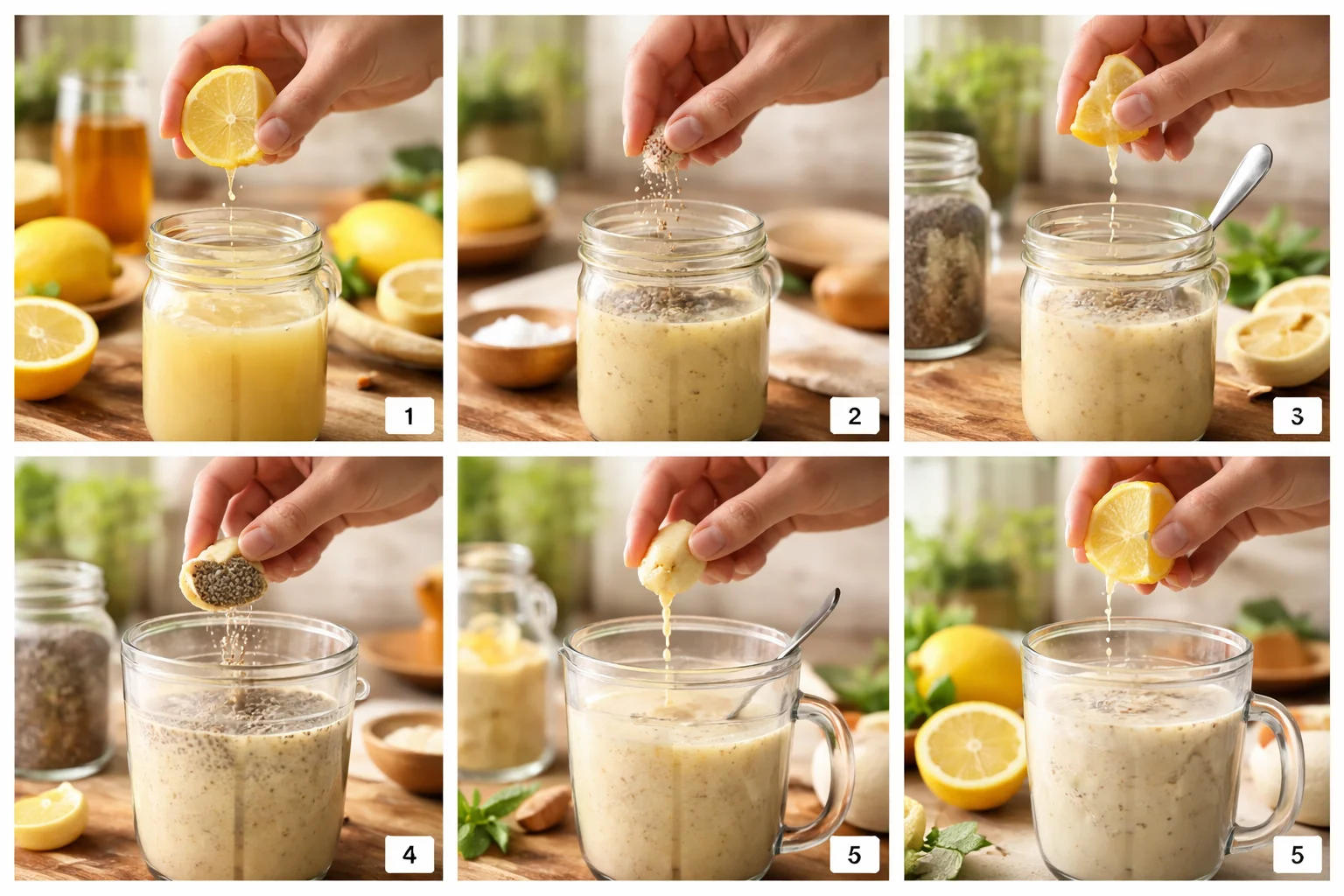
The 10 second shake: Put the lid on tight and shake hard for 10 seconds. Then let it sit for 10 seconds. Shake again. This little pause helps the thicker layer loosen up instead of staying glued to the bottom.
The fork trick for stubborn pulp: If the bottom is really packed, pour a small splash into a glass, stir the bottle bottom with a fork or chopstick, then add the liquid back and shake again.
The “warm hands” trick: If your juice is ice cold and extra separated, hold the bottle in your hands for a minute before shaking. Just that tiny bit of warmth can help it blend back together.
And here is one of my favorite real life fixes: if the juice tastes flat after it has been sitting, I add a tiny squeeze of lemon and a pinch of salt. Not enough to taste salty, just enough to wake up the flavor.
If you like bold, energizing juices, beet blends can separate a lot, so you will use these tricks often. I make this one all the time: boost your day beet juice recipe for energy. It is worth the shake, trust me.
“I used to dump my juice when it separated because I thought it went bad. The shake and pause tip worked instantly, and now I prep bottles for two days at a time.”
Solutions for Pan Sauces
Pan sauces usually break when the heat is too high or the fat and liquid cannot stay together. With juice, the “heat” problem is more like storage habits. This is where fixing separated juice storage tips really pays off, because you prevent the split from getting dramatic in the first place.
Here is what I do at home, especially when I am batch juicing for busy mornings:
Fill the bottle to the top: Less air inside means less oxidation. This helps the juice stay fresher longer.
Use a tight lid: Sounds obvious, but even small leaks let air in and can make flavors stale.
Keep it cold, consistently: Do not leave it in the fridge door where temps swing every time someone grabs milk. Put it toward the back.
Pick the right container: Glass is my favorite because it does not hold smells and it feels cleaner. If you use plastic, use food grade and do not reuse old bottles too many times.
Strain if you want less separation: If you hate pulp layers, strain through a fine mesh sieve or nut milk bag. You lose some fiber, but you gain a smoother bottle that stays mixed longer.
This is also where recipe choice matters. Some veggie heavy blends are naturally more “chunky.” My fennel cucumber kale combo is super refreshing but it will settle fast, so I always store it in smaller bottles: bright refreshing fennel cucumber kale juice recipe.
Vinaigrette Restoration Techniques
Vinaigrettes separate constantly, and the fix is always the same: shake, whisk, or blend. Juice is basically the same story, just less oily and more pulpy.
Here are my favorite restoration techniques when a shake is not enough:
Use a blender for 5 seconds
If you made juice in a blender (smoothie style) or you added powders like spirulina or protein, a quick blend brings it back. Blend for 5 to 10 seconds, then pour back into your bottle.
Add a natural “helper” ingredient
I do this when I want the juice to stay more evenly mixed for a couple hours, like if I am taking it to work.
Try one of these:
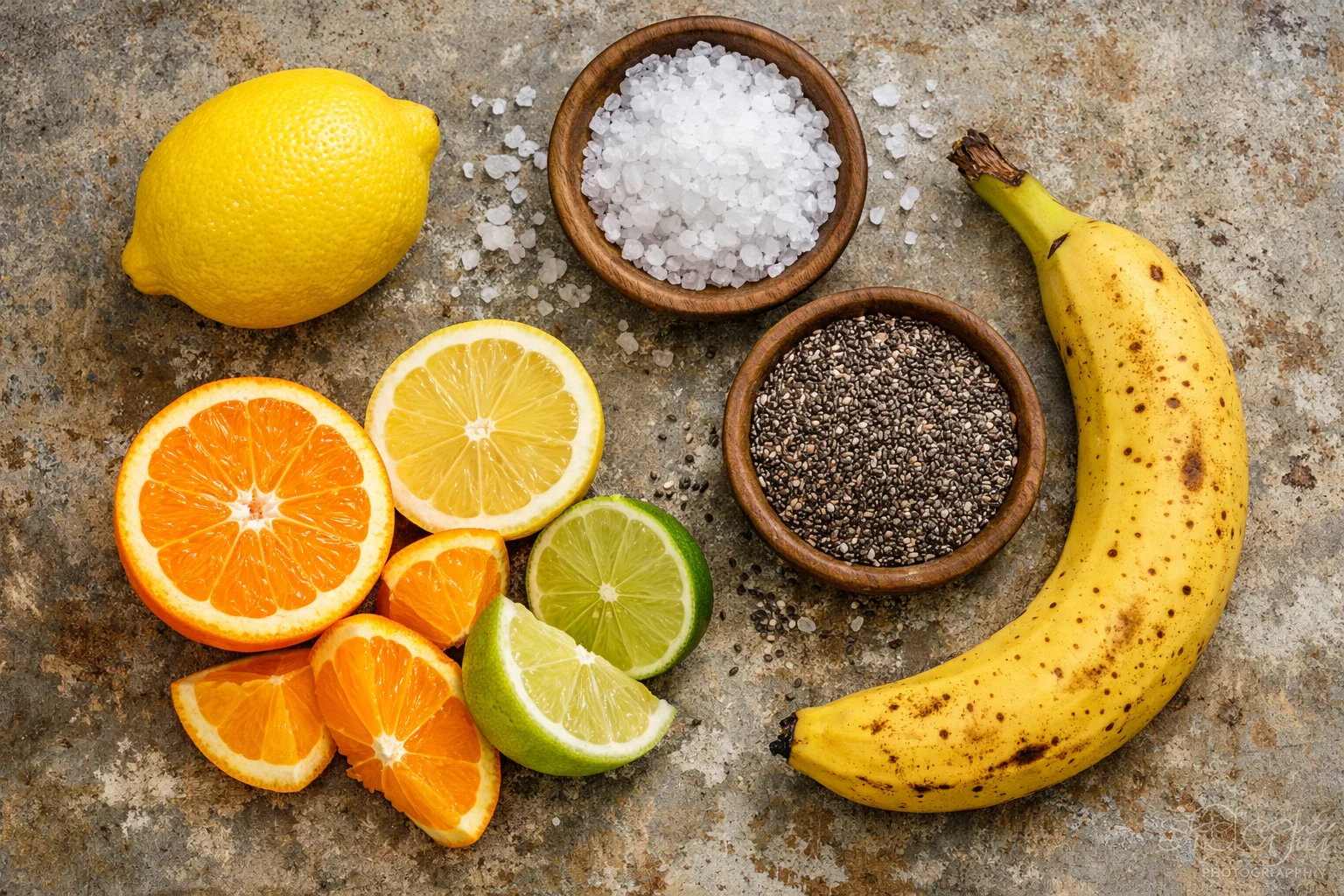
- Chia seeds: makes it thicker, but it will turn into a gel so use lightly.
- A little banana: best for blender juices, makes it creamy.
- A tiny bit of citrus: lemon or lime helps flavor and can make it feel brighter after storage.
Also, some ingredients naturally separate but still taste amazing. Dandelion greens plus lemon is one of those “it looks wild but feels great” juices. If you are curious, this is the one I rotate in: bright zesty dandelion greens lemon juice recipe.
Expert Tips for Sauce Success
These are the habits that made the biggest difference for me. They are simple, but they work, and they keep me from tossing good juice.
My personal best practices for keeping juice fresh
Make smaller batches: Fresh juice is at its best in the first 24 hours. I try to make only what I will drink today and tomorrow.
Label your bottles: A little piece of tape with the date saves a lot of guessing later.
Rinse your juicer right away: Old pulp stuck in the machine can mess with flavor and freshness next time.
Do not store it near strong smells: Fridges are weird. Juice can pick up onion or garlic vibes if it is not sealed well.
Know which juices last longer: Citrus heavy blends tend to hold up a bit better. Super green blends can taste “murky” faster.
If you are into detox style blends, I like keeping a few options in rotation so I do not get bored. This anti-inflammatory detox juice is a good example of a punchy blend that still tastes lively when stored correctly.
And yes, I will say it plainly because it matters: fixing separated juice storage tips works best when you focus on cold temperature, less air in the bottle, and quick remixing right before drinking.
Common Questions
Why does my fresh juice separate so fast?
Because pulp and fiber settle naturally. It happens faster when the juice is very cold, very pulpy, or stored with lots of air in the bottle.
Is separated juice safe to drink?
Usually yes, if it smells and tastes normal and has been refrigerated. Separation alone is not a spoilage sign.
How long can I keep fresh juice in the fridge?
Most homemade juice is best within 24 to 48 hours. Past that, flavor and freshness drop even if it is still technically drinkable.
Can I prevent separation completely?
Not completely with true fresh juice, but you can reduce it by straining pulp, blending briefly before storing, and keeping bottles filled to the top.
What is the easiest fix right before serving?
A tight lid and a strong shake with a short pause, then another shake. If the bottom is packed, stir it with a fork first.
A fresh juice routine you will actually stick with
If you take anything from this post, let it be this: separation is normal, and it is easy to fix in seconds. Keep your bottles cold, keep air out as much as you can, and shake like you mean it right before drinking. For extra guidance, I also like the practical breakdown in How to Fix a Broken Sauce or Vinaigrette – Serious Eats, because the same calm logic applies when your juice looks “broken.” And if you want more ideas to keep your routine interesting, I rotate new blends from the wellness tips and guides section and keep my fridge stocked with a couple favorites. You have got this, and your next bottle is going to taste way better than the sad separated one you almost poured out.