reusable smoothie straws guide is for anyone who has ever blended a dreamy smoothie, took one sip, and then remembered that the flimsy disposable straw is basically a one minute convenience with a long lasting mess. I used to grab whatever straw came with takeout, and I hated how it got soggy or cracked right when my drink got thick. Now I keep a couple of good reusable straws in my bag, and it honestly makes smoothie time feel easier and less wasteful. If you are still deciding whether smoothies are even your thing compared to juices, this post I read helped a lot: detox juice recipe vs smoothies which is better. Either way, if you sip anything blended, a solid straw is a tiny upgrade that feels like a big one. 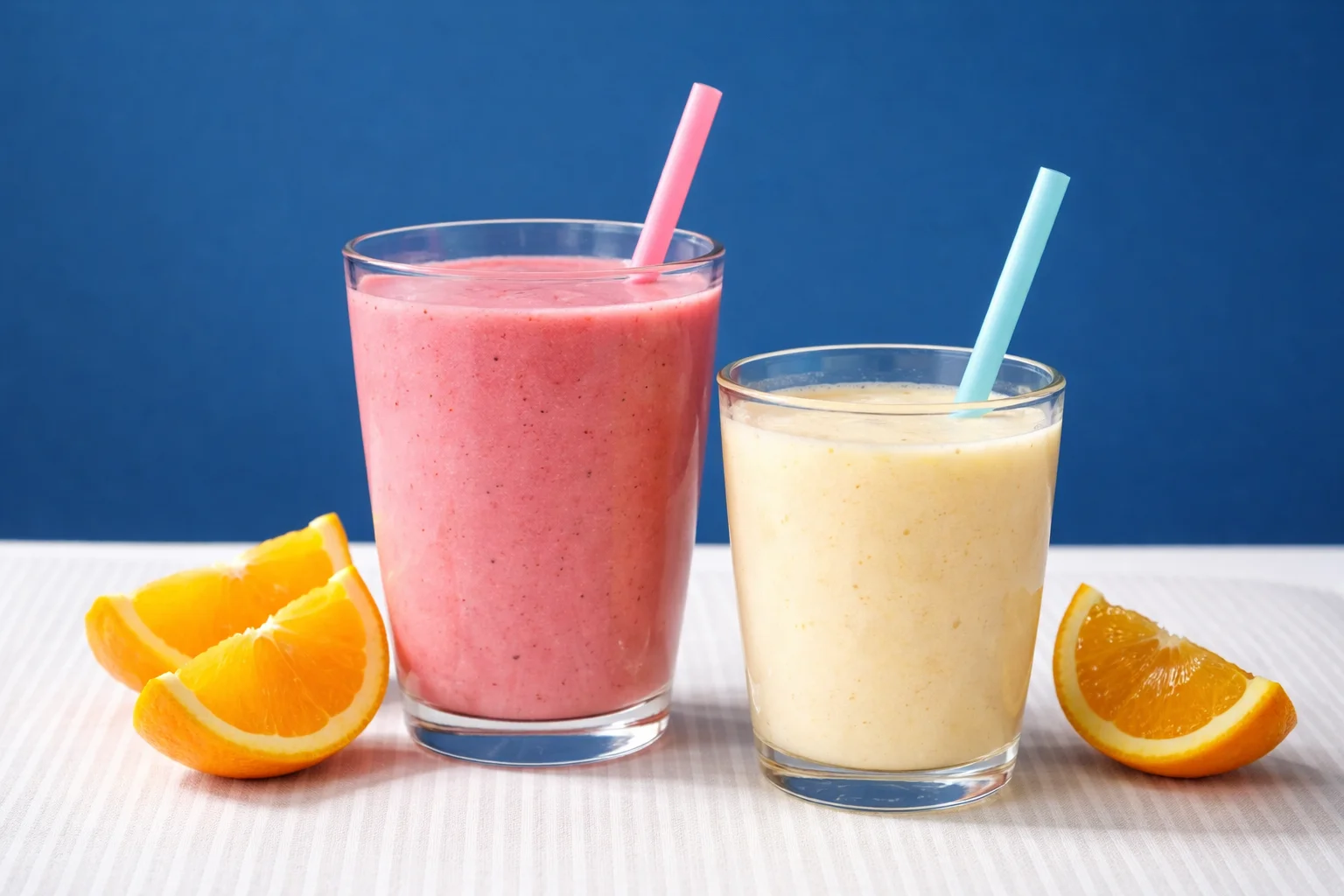
What is a Reusable Straw?
A reusable straw is simply a straw you can wash and use again and again instead of tossing after one drink. The big win is that it is designed to handle real life: thick smoothies, ice, hot drinks, and getting carried around in a purse or lunch bag.
Most reusable straws come in a few main materials: stainless steel, silicone, glass, and hard plastics like Tritan. They also come in different widths, and that part matters more than people think. If you make smoothies with chia seeds, oats, or frozen fruit chunks, you will want a wider straw so you are not fighting for every sip.
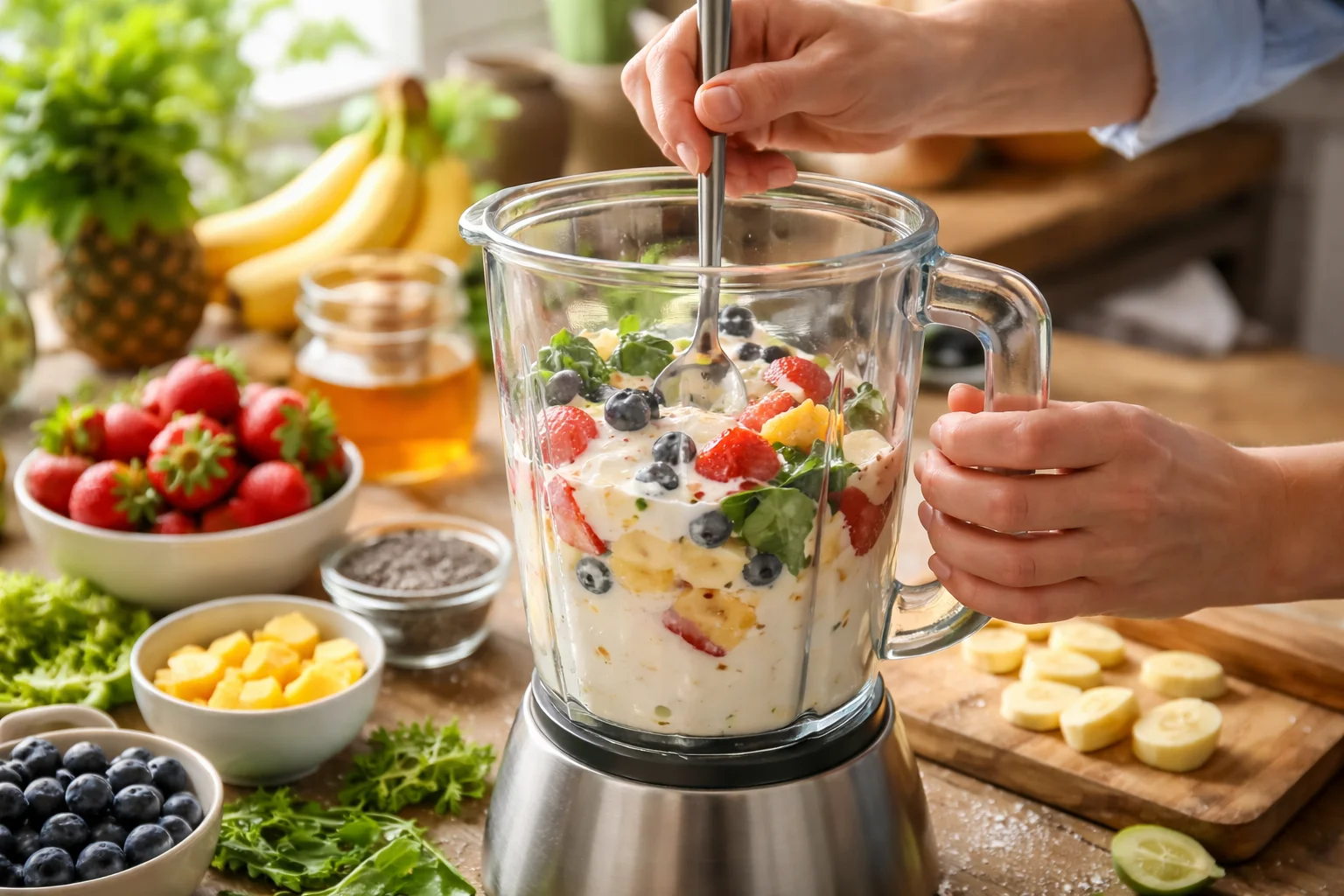
I treat my straws like I treat my blender: the right tool makes the habit stick. If you are into planning ahead, you will probably love this too: smoothie meal prep guide simple tips for delicious packs. Prepped smoothie packs plus a reusable straw is my weekday survival combo.
Quick tip: if you are buying your first set, pick one straight straw and one bent straw. The bent one feels extra comfy in taller cups and mason jars.
Environmental Impact of Disposable Drinking Straws
Disposable straws are one of those things that seem tiny, but they stack up fast. If you buy smoothies a few times a week or keep a stash for kids, it is easy to burn through a ton in a month without noticing. And since many disposable straws are lightweight, they can slip through sorting systems and end up as litter.
Also, let us be real: smoothie straws are usually bigger and thicker than the little soda ones, so they can use more material too. Even paper straws, which sound like the perfect fix, can be tricky. They often have coatings or adhesives, and they still take energy and resources to produce. Plus, they can turn your last few sips into a sad, mushy situation.
I noticed the difference at home when I stopped buying boxes of disposable straws. The trash felt lighter, and I stopped having that annoying moment of reaching for a straw and realizing I was out. Switching to reusable smoothie straws guide style choices is not about being perfect. It is just a simple swap that reduces a steady stream of waste.
I bought a set of wide silicone straws for smoothies and my kids actually remember to use them. We have not bought disposable straws in months, and cleanup is easier than I expected.
Comparing the Environmental Performance of Different Types of Reusable Straws
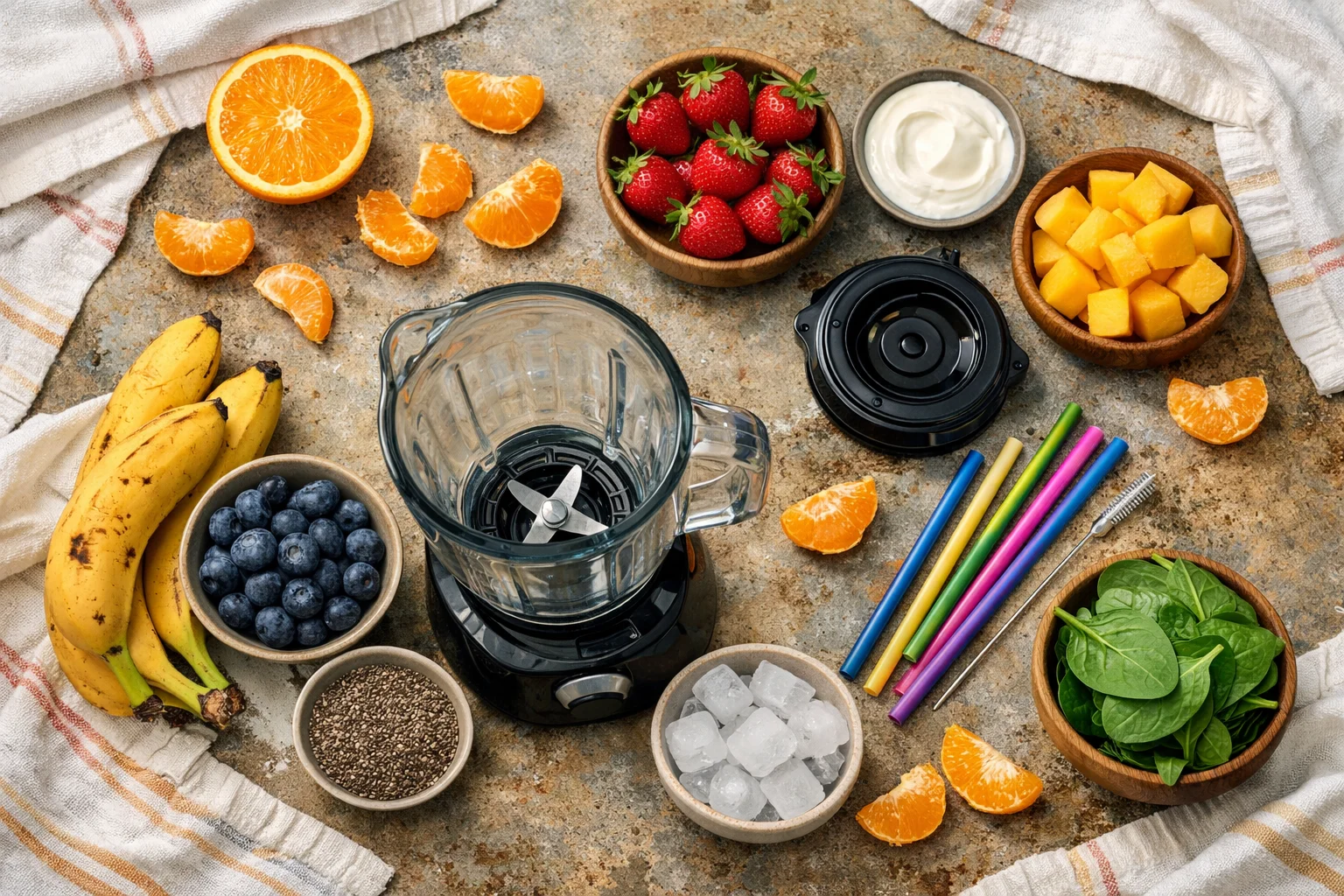
This is where people get stuck, because you want the option that feels good to use and feels good ethically. Here is my everyday, non preachy breakdown.
Material pros and cons you will actually notice
Stainless steel: Super durable, great for thick drinks, and easy to toss in a bag. Some people do not love the feel on their teeth, so silicone tips can help.
Silicone: Soft, gentle, and kid friendly. It is also nice if you are sensitive to cold drinks. The tradeoff is that it can hold onto smells if you do not wash it well.
Glass: Clean taste and looks pretty. But yes, it can break. I only use glass at home.
Hard plastic (like Tritan): Lightweight and usually sturdy. It can scratch over time, so you want to replace it if it starts looking cloudy or rough inside.
If smoothies are your main thing, go for a wider diameter straw. When I make a thick berry blend, a regular skinny straw just does not cut it. This is the kind of smoothie I mean: berry green smoothie recipe antioxidant powerhouse. Delicious, but it needs a straw that can keep up.
From an environmental angle, the best straw is usually the one you will keep using for a long time. A stainless steel straw you use daily for years often beats buying multiple “eco” options that you stop using after two weeks.
Care and Maintenance of Reusable Straws
This part is important because a reusable straw only stays reusable if it stays clean and pleasant to use. The good news is it is not hard. It just needs a simple routine.
My simple cleaning routine
- Rinse right after you drink, even if you cannot wash fully yet.
- Use a straw brush with warm soapy water and scrub all the way through.
- Rinse well, then air dry upright in a utensil holder or drying rack.
- If you have a dishwasher safe straw, place it so water can flow through it.
Extra real life tip: If you let smoothie residue dry inside a straw, it gets weird fast. If you know you will forget, keep a small cup in the sink and drop used straws in water to soak until you have a minute.
For silicone straws that start smelling like yesterday’s banana, a quick soak in warm water with a little baking soda helps. For stainless steel, you can do a vinegar and warm water soak if you notice any lingering odor.
And do not forget the travel case. It needs cleaning too, especially if you toss a damp straw inside. I keep my travel straws dry before packing them up, otherwise the case gets funky.
Life Cycle Assessment (LCA) of Different Types of Reusable Straws
Ok, LCA sounds super formal, but the idea is simple: it looks at the whole life of a product. Not just what happens when you throw it away, but also the resources used to make it, ship it, and clean it over time.
Here is the practical takeaway from most life cycle thinking: reusable products usually need a certain number of uses to “pay back” their footprint compared to disposable ones. The exact number changes based on material and how you wash, but the pattern stays the same. If you use your straw often, it is typically a win.
What affects your real world footprint
How often you use it: Daily use is the sweet spot. A straw you use twice then forget in a drawer does nothing for the planet or your kitchen.
How you wash it: Washing a single straw under blasting hot water for five minutes is not ideal. A quick wash with your other dishes is better and easier.
How long it lasts: Stainless steel can last years. Glass can last years if you are careful. Silicone can last a long time if you clean it well and keep it from getting cut or torn. Plastic tends to show wear sooner.
My own approach is pretty simple: I keep one set at home and one small set for travel. That way I actually use them, which is the whole point of following a reusable smoothie straws guide in the first place.
Common Questions
1) What size straw is best for thick smoothies?
Look for a wide smoothie straw, usually around 10 to 12 mm. If you use frozen fruit and seeds, wide makes sipping way less frustrating.
2) Are stainless steel straws safe for kids?
They can be, but I prefer silicone for younger kids because it is softer. If you do use steel, supervise and consider silicone tips.
3) How do I stop silicone straws from smelling?
Wash right away, use a brush, and air dry fully. If smells linger, soak in warm water with baking soda, then rinse well.
4) Can I use reusable straws for hot drinks?
Yes, but choose the material carefully. Stainless steel and silicone can handle warmth, but always check the brand’s heat guidance. Glass can work too, but be careful with sudden temperature changes.
5) Do I need a special brush?
Yes, a straw brush makes it simple and actually clean. Most straw sets include one, and it is worth using every time.
Your next sip will feel so much better
If you take anything from this reusable smoothie straws guide, let it be this: pick a straw you will truly use, keep it clean, and do not overthink it. Once you have a favorite straw, you will probably make smoothies more often just because the whole experience feels smoother. If you want more blending inspiration, I like browsing the smoothies category when I get stuck in a boring routine. And if you are shopping and want a solid roundup to compare options, this is a helpful reference: The Best Reusable Straws for 2026 | Reviews by Wirecutter. Now go blend something you actually look forward to drinking, grab your straw, and enjoy every last sip.