why does my juice taste bitter fix is one of those questions you only Google after you’ve made a whole glass, taken one hopeful sip, and immediately regretted it. I’ve been there, standing over my sink like, why does this taste like a grapefruit peel had a bad day. The good news is bitter juice is usually not a mystery, it’s just one or two small things stacking up. And once you know what causes it, you can fix it fast without dumping your ingredients. Let’s talk through the most common culprits and the easy tricks I use at home. 
Common Causes of Bitter Flavor in Lime Rind
If your juice has lime in it, especially fresh lime, the rind is often the main suspect. Lime is awesome, but it can turn on you quickly if you handle it the wrong way.
The rind and the white pith are sneaky
The outside green part of lime zest is fragrant and bright. The white layer under it, called the pith, is where a lot of bitterness lives. If you accidentally blend any pith or chunks of peel, you can end up thinking, why does my juice taste bitter fix needs to be a whole science project.
Here are a few common ways lime bitterness sneaks in:
- Blending whole lime wedges with peel still on
- Over zesting and scraping into the white layer
- Squeezing too aggressively, especially with a reamer that grinds the peel
- Letting lime peel sit in the juice too long, like “infusing” on accident
Also, limes vary a lot. Some are super juicy and mild. Others are thick skinned and sharper. If I’m making something fruity like my red plum and lime juice, I taste the lime first before I commit to using a full one.
Effective Techniques for Removing Bitter Flavors
So you already made the juice and it’s bitter. Don’t panic. You can usually rescue it, and I say that as someone who hates wasting produce.
Try these fixes one at a time so you don’t overcorrect:
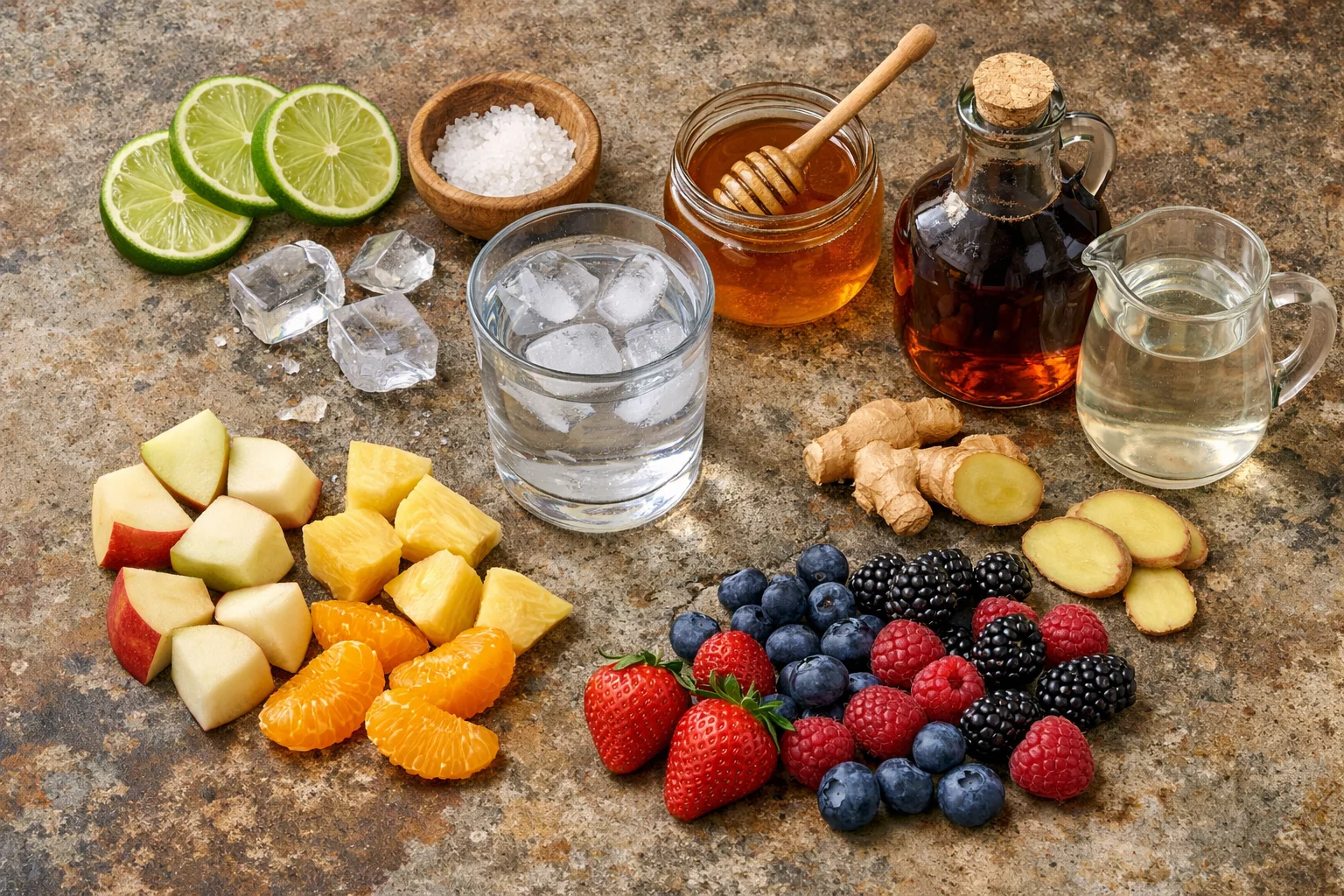
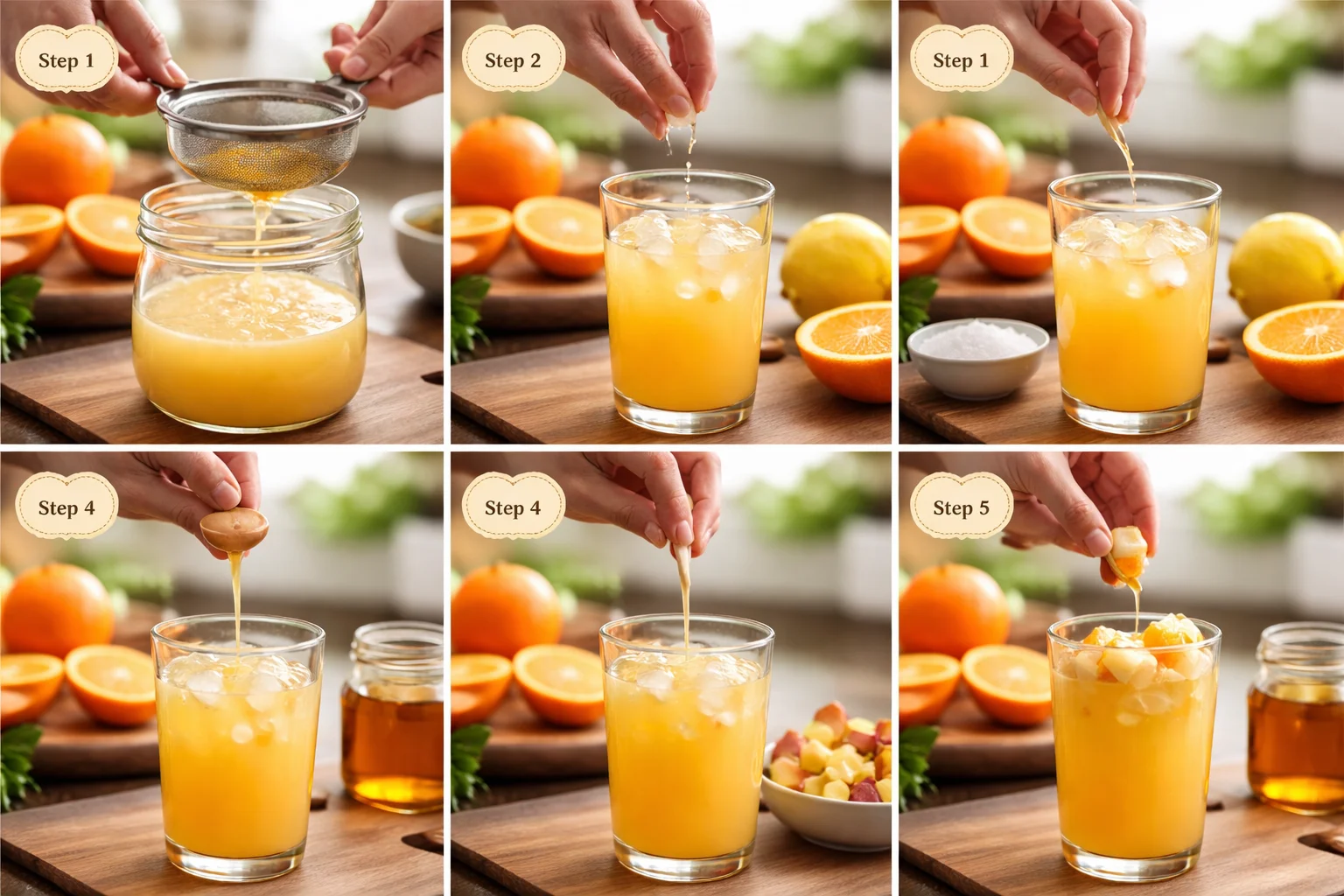
- Strain it through a fine mesh strainer or cheesecloth to catch tiny bits of peel and pulp.
- Dilute with water or ice. This sounds too simple, but it works especially when bitterness is mild.
- Add a pinch of salt. Not enough to taste salty, just enough to soften the bitter edge.
- Add sweetness slowly: a teaspoon of honey, maple syrup, or simple syrup can round things out.
- Add more fruit like apple, pear, pineapple, or orange to push the flavor back toward sweet.
One of my favorite “save it” moves is adding apple. Apple is like the friendly neighbor of the juice world. It calms everything down. If you like that vibe, you might enjoy this camu camu ginger apple juice too, because it shows how apple balances sharper ingredients.
And if you’re dealing with bitterness from greens plus citrus, not just lime, you might like the gentler combo in my fennel cucumber kale juice. It’s refreshing without that harsh bite.
“I thought my juice was ruined because I blended lime wedges with the peel. I strained it, added a little honey and half an apple, and it was actually delicious. I’m not scared of citrus anymore.”
Flavor Balancing Tips in Cooking
Even though we’re talking juice, the idea is the same as cooking: you want balance. When something tastes off, you usually fix it by adjusting one of the basic flavors.
Here’s my casual “kitchen cheat sheet” for balancing bitter juice:
Too bitter: add sweet, a tiny pinch of salt, or dilute.
Too sour: add sweet or more neutral fruit like cucumber or pear.
Too flat: add a little acid (lemon, lime) or a tiny pinch of salt to wake it up.
Too strong: add ice, water, or more base ingredients like apple or carrot.
This is also why some juice recipes taste smoother than others even when they include bold ingredients. For example, earthy juice like beets can taste “intense,” but when it’s built right it comes out energizing and balanced. My beet juice for energy is a good example of using naturally sweet ingredients to keep everything friendly.
And since this comes up a lot, yes, bitterness can get stronger as juice sits. If you made a big batch and it tastes fine at first but weird later, that’s real. Oxidation and lingering peel particles can do that. If you’re thinking, why does my juice taste bitter fix keeps changing overnight, it might be the juice aging, not your taste buds.
;
Alternative Ingredients to Use for Flavor Enhancement
If lime is the ingredient that keeps betraying you, you’ve got options. You can still get that fresh bright feeling without the bitter rind problem.
Here are easy swaps and add ins that boost flavor without making things harsh:
Use lemon juice instead of lime if you want a softer citrus edge.
Use orange for sweet citrus flavor that covers bitterness fast.
Add pineapple for tropical sweetness and a bold “happy” taste.
Add ginger for a clean spicy kick that distracts from bitterness in a good way.
Add berries for natural sweetness and a deeper flavor that feels like a treat.
If you want a berry route, this blackberry raspberry juice is naturally sweet tart and usually doesn’t need much help.
Also, if you’re juicing greens and keep getting that sharp bitter finish, try adding something naturally fragrant like fennel, or go with a “detox style” blend that already builds in balance. My anti inflammatory detox juice is the kind of recipe I make when I want health vibes but still want it to taste good.
Little personal note: when I’m experimenting, I keep a “rescue fruit” on hand. For me that’s apples or a ripe pear. They’re the quickest way to turn “this is awful” into “wait, this is actually drinkable.”
Preventative Measures for Avoiding Bitterness in Recipes
Now for the part that saves you next time. Because once you’ve had bitter juice, you start treating citrus with a little more respect.
Here’s what I do to prevent bitterness before it starts:
- Peel citrus when blending. If I’m using a blender instead of a juicer, I peel limes and oranges and remove as much pith as possible.
- Zest lightly. Only the green outer layer, stop as soon as you see white.
- Strain after blending if there’s any chance peel bits got in.
- Taste as you go. Add half the lime juice first, then adjust.
- Use fresh ripe produce. Under ripe fruit and old greens often taste more bitter.
One more thing people forget: some juicers pull more bitterness if you feed in citrus peel or crush seeds hard. If you’re using a press style juicer, try removing seeds and any thick peel first. Tiny detail, big difference.
And if you’re into fruit combos that are naturally mellow, guava is one of my favorites for keeping things sweet and tropical without needing a lot of added anything. This guava strawberry juice is a great “reset” recipe if you’ve had one too many bitter experiments.
So the next time you catch yourself thinking, why does my juice taste bitter fix has to be complicated, remember it’s usually just peel, pith, or an unbalanced mix. Once you avoid those, your juice game gets so much more fun.
Common Questions
Why does my juice taste bitter fix feel different depending on the fruit?
Some fruits are naturally more bitter, and some get bitter when the peel, pith, or seeds are blended. Citrus is the biggest one, but greens can do it too.
Can I fix bitter juice without adding sugar?
Yes. Try straining, diluting with water or ice, adding a pinch of salt, or blending in sweeter fruit like apple or pear.
Does leaving juice in the fridge make it more bitter?
It can. As it sits, flavors change and any tiny peel bits keep infusing. If you can, strain it well and drink it fresh.
Is bitter juice unsafe to drink?
Usually no, it’s just unpleasant. But if anything tastes spoiled, smells off, or you used moldy produce, toss it.
What is the fastest rescue if I already blended lime peel?
Strain it, dilute it, then add a little apple or orange. That combo fixes most “oops” moments fast.
A little pep talk and a tasty next step
Bitter juice happens to all of us, especially when citrus is involved, so don’t feel bad if your first sip was a shock. Once you watch the lime rind, keep the pith out, and balance with sweet fruit or a tiny pinch of salt, your drinks get way smoother. If you want extra help on the lime rind problem, this resource is genuinely useful: How do I remove bitter flavor from lime rind in soup?. Next time you make a glass, taste as you go and keep it simple. You’ve got this, and your next batch is going to taste like something you actually want to sip.