

juice turns brown how to prevent is one of those questions I asked myself the first time I tried to meal prep fresh carrot juice for the week. I poured a pretty, bright orange glass in the morning, put the rest in the fridge, and by lunch it looked a little dull and brownish. Not totally gross, but definitely not the happy color I wanted. The good news is that browning is usually fixable with a few small habits. And once you get the hang of it, you can keep your juice looking fresh and tasting clean for way longer. 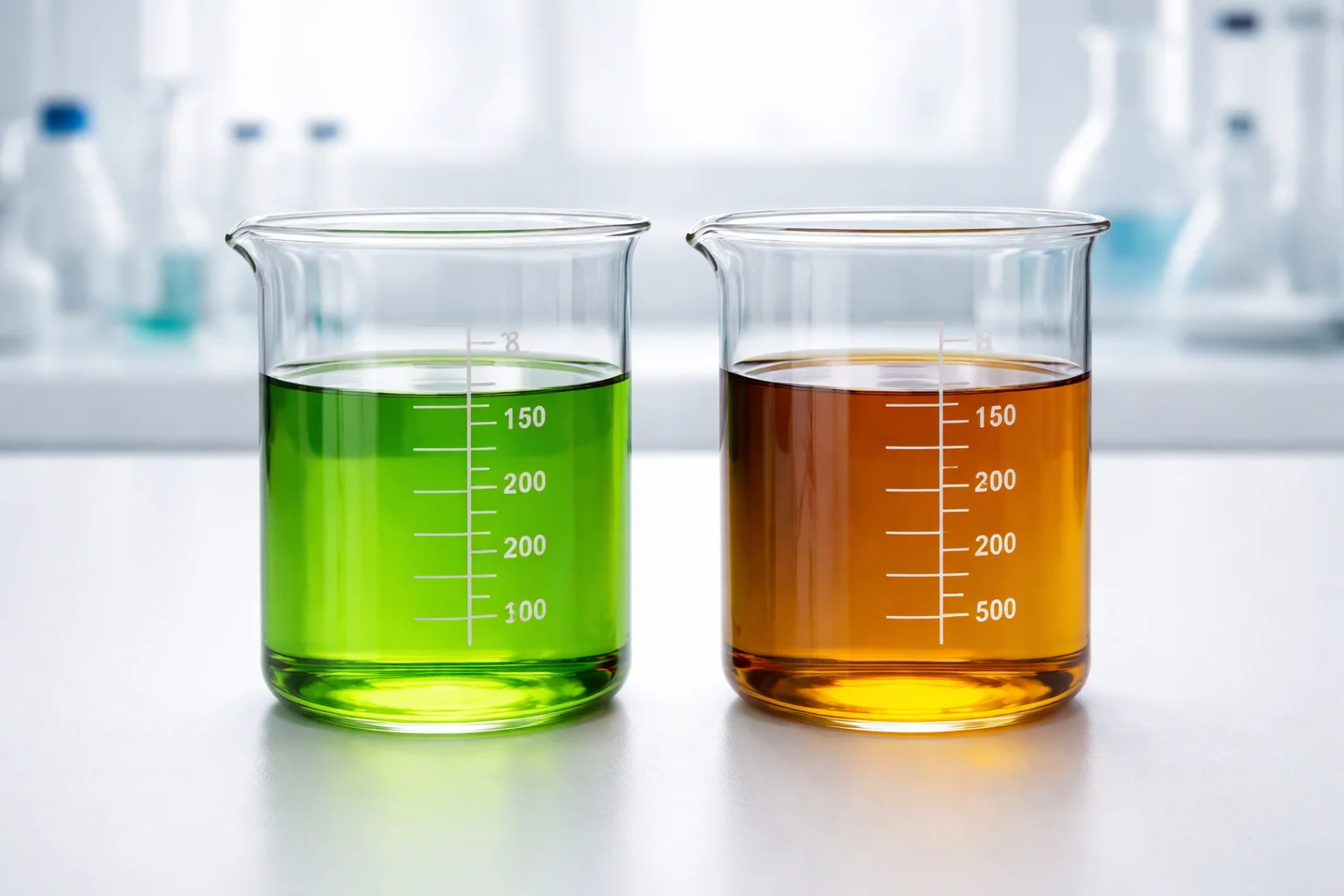
Understanding Why Carrot Juice Turns Brown
First, let’s talk about what’s actually happening, because it’s not just your fridge being rude. Carrot juice changes color mainly because it’s exposed to air. Oxygen starts reacting with natural compounds in the juice and that can darken the color and slightly change the flavor over time.
It’s similar to what happens when you cut an apple and leave it on the counter. Carrots don’t brown as aggressively as apples, but once they’re juiced, all those tiny particles and nutrients are exposed, and the process speeds up.
Here are the biggest reasons it happens:
- Oxidation from air in the bottle or in the juicer container
- Heat from the environment or from high speed blending
- Time, because fresh juice is naturally more fragile than store bought
- Light, especially if you store it in a clear container near the front of the fridge
If you’re also adding apples, pears, or ginger, the browning can show up faster depending on the combo. I learned that when I started playing with sweeter blends like this one: sweet potato pear cinnamon juice recipe. Super cozy flavor, but it taught me how different ingredients react once they’re juiced.
Effective Techniques to Prevent Browning
This is the part you actually came for, right? If you want a simple answer to Stop Your Juice from Turning Brown: Easy Tips to Prevent It, it’s mostly about limiting air contact and adding a little natural protection.
My go-to anti browning tricks that actually work
I’m going to keep this practical and realistic. No fancy lab equipment required.
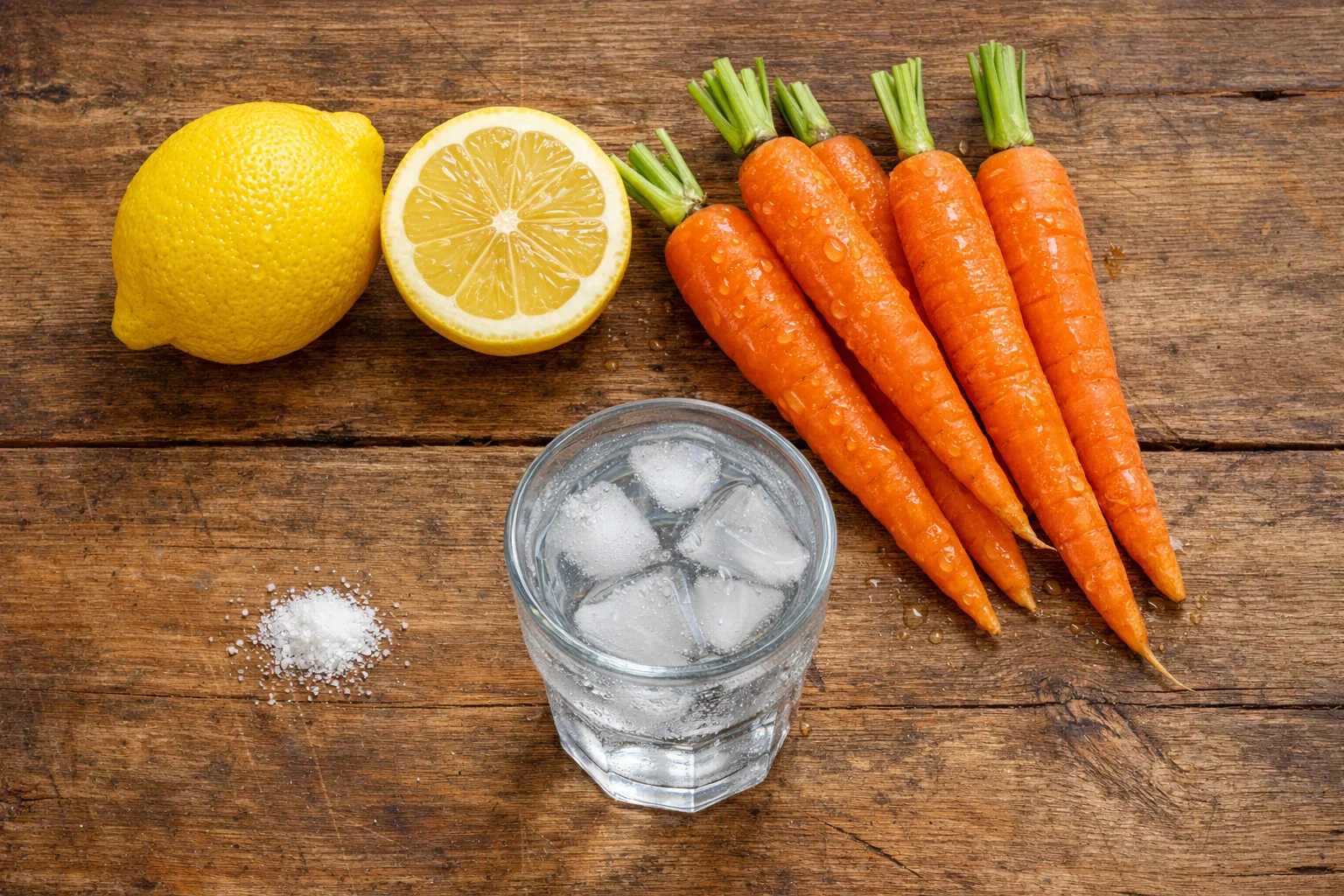
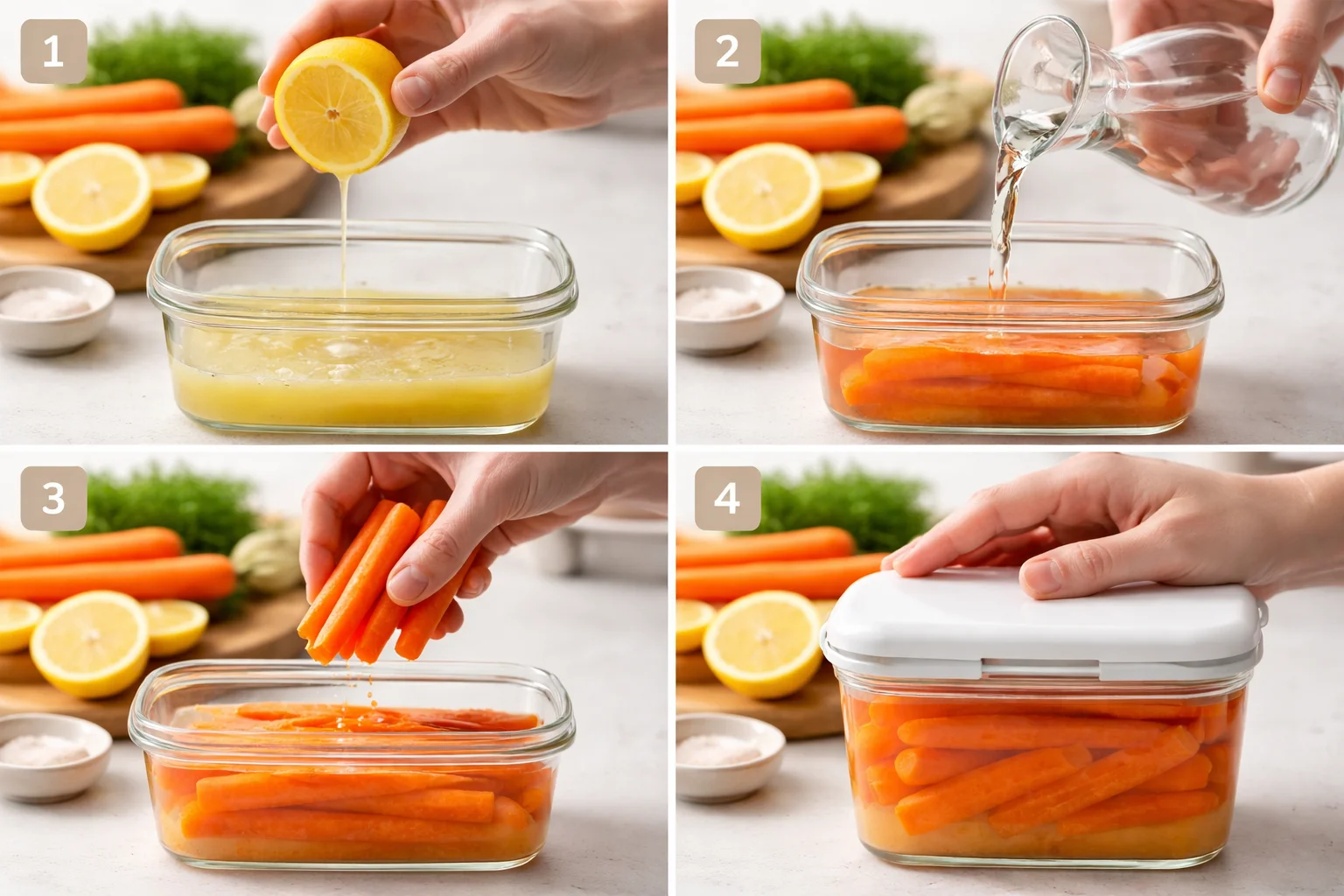
- Add lemon or lime: A squeeze of fresh lemon is my number one move. It brightens flavor and slows oxidation.
- Fill the bottle to the top: Less air space means less browning. This one matters more than people think.
- Use cold ingredients: Cold carrots and cold water slow down the reaction. I rinse carrots in cold water and chill them if I have time.
- Juice quickly and cap quickly: Don’t let it sit in the juicer pitcher while you scroll your phone. Pour and cap it right away.
- Choose a slower juicer if you can: Masticating juicers usually introduce less air than blenders. Not a must, just a helpful upgrade.
If you’re already into detox style juices, these little tricks fit right in with the routines I use when I make my anti-inflammatory detox juice. I still want bright color, but I also want it to taste crisp and not flat by day two.
One more tip that surprises people: a tiny pinch of salt can help round out the flavor of carrot juice after it sits. It’s not a browning fix by itself, but it keeps refrigerated juice tasting more “alive.”
“I started filling my jar all the way up and adding lemon like you suggested, and my carrot juice stayed orange for two full days. I honestly thought browning was unavoidable.”
Best Storage Practices for Fresh Carrot Juice
Even if you do everything right while juicing, storage can still mess things up. The goal is to keep your juice cold, sealed, and protected from light.
Here’s my real life storage setup, the one I use when I’m making juice for busy mornings:
- Container: Glass jar with a tight lid, or a good quality bottle made for juices.
- Headspace: As close to zero as possible. Fill it up.
- Fridge spot: Back of the fridge, not the door. The door warms up every time you open it.
- Time limit: Best within 24 hours, usually still good at 48 if you used lemon and stored it well.
If you want to make bigger batches, freezing is your friend. Texture can change a little after thawing, but the color usually holds up better than you’d expect if you freeze right away. I use the same basic approach as in this guide: how to freeze smoothies properly, just applied to juice. Freeze in small portions, leave a little space for expansion, and thaw in the fridge overnight.
And yes, always give it a good shake before drinking. Separation is normal. It doesn’t mean it’s ruined, it just means your juice is real.
Experts’ Tips for Maintaining Nutritional Value
Color is one thing, but I know a lot of us are also wondering if browning means the nutrients are gone. Usually, no, it’s not instantly worthless. But oxidation can slowly reduce certain sensitive vitamins, especially vitamin C if you add citrus or other fruits.
These are the habits I stick to when I want my carrot juice to stay both tasty and nourishing:
- Juice as close to drinking time as possible when you can
- Keep it cold from start to finish, including chilling ingredients
- Add a squeeze of citrus for both flavor and protection
- Avoid leaving juice at room temp “just for a bit” because that bit adds up
I also like building carrot juice around a purpose, because then I’m more likely to drink it right away instead of letting it sit for days. If you want ideas, check out this detox juice recipe energy boost post. It’s a nice reminder that freshness is part of the whole point.
And if you’re experimenting with your own blends, you might enjoy this guide on customize detox juice recipe. It helped me get better at choosing ingredients that hold up well together, especially when I’m storing juice for later.
Common Myths About Carrot Juice Preservation
There are a few myths that float around, and they can make you either overthink it or do the wrong thing. Let’s clear them up.
Myth 1: Brown juice is always spoiled.
Not necessarily. Browning can be just oxidation. Spoilage is more about smell, sliminess, fizzy bubbles, or a sour taste that wasn’t there before.
Myth 2: If you boil it, it will stay fresh longer.
Heating can change the flavor and knock down that fresh carrot sweetness. It can also affect heat sensitive nutrients. If your goal is fresh juice, boiling is not the vibe.
Myth 3: Plastic bottles always ruin juice.
Not always. Some plastic holds odor and stains, but a clean, food safe bottle with a tight lid can work fine. Glass is my favorite, but I’m not here to shame anyone’s containers.
Myth 4: More sugar keeps juice from browning.
Nope. Sugar doesn’t stop oxidation. Citrus and limiting air are the real helpers.
Myth 5: You need preservatives to keep it orange.
For home juicing, you can do a lot with lemon, cold temps, and smart storage. No weird ingredients needed.
Common Questions
How long does fresh carrot juice stay good in the fridge?
Usually 24 hours for the best flavor. With lemon and a full, tightly sealed bottle, you can often stretch it to 48 hours.
Does adding lemon change the taste a lot?
A little, but in a good way. It makes carrot juice taste brighter. Start with a small squeeze, taste, then add more if you like.
Can I make carrot juice in a blender instead of a juicer?
Yes. Blend with cold water, then strain through a nut milk bag or fine mesh cloth. It may brown a bit faster because blending adds more air, so store it extra carefully.
What’s the best bottle to use?
A glass jar or bottle with a tight lid is my favorite. The key is filling it to the top so there’s less trapped air.
Is it safe to drink carrot juice that turned slightly brown?
If it smells fresh and tastes normal, it’s usually just oxidation. If it smells funky, tastes sour in a bad way, or seems fizzy, toss it.
A quick pep talk before you juice again
If you’ve been frustrated and searching for Stop Your Juice from Turning Brown: Easy Tips to Prevent It, I hope you feel way more confident now. Keep your ingredients cold, add a little citrus, and store your juice like it’s precious, because honestly it is. For extra nerdy kitchen reassurance, this thread helped me too: How to prevent carrot juice from turning brown? – Seasoned Advice. Try these tips once and you’ll see the difference immediately, especially the fill-to-the-top trick. Now go make that bright orange glass and actually enjoy it instead of staring at a sad brown jar in the fridge.