dealing with foam fresh juice solutions is one of those little kitchen things nobody warns you about. You make a gorgeous glass of juice, take a proud sip, and then the top looks like a bubble bath. I have been there, especially on busy mornings when I just want something fresh and bright without the drama. The good news is foam is usually normal, and it is also fixable with a few small tweaks. I am going to share what works in my own kitchen, plus the simple habits that keep my juice tasting clean and looking pretty. 
Juicing for Health and Wellness
I started juicing because I wanted an easy way to get more produce in without overthinking lunch. Fresh juice feels like a reset button, especially when I am low on energy or my fridge is full of random fruits that need to be used up. Foam can show up more when you juice certain ingredients, but it does not mean the juice is bad or less healthy.
Here is what foam usually tells me: there is a lot of air mixed into the liquid, and sometimes a lot of fiber and plant proteins got whipped up too. Leafy greens, apples, pears, and anything super fresh and crisp tend to foam more. I notice it a lot when I make green blends like this bright refreshing fennel cucumber kale juice recipe because kale loves to create that fluffy layer on top.
If you are juicing for wellness, you do not have to fear the foam. What matters is how the juice fits into your day and how your body feels after. For me, the real win is staying consistent. I would rather drink a slightly foamy juice than skip it altogether.
One more thing I always remind myself: if your juice tastes bitter, metallic, or “off,” that is not a foam problem. That is usually old produce, a dirty juicer, or juice that has been sitting too long. We will get into those practical fixes in the next sections.
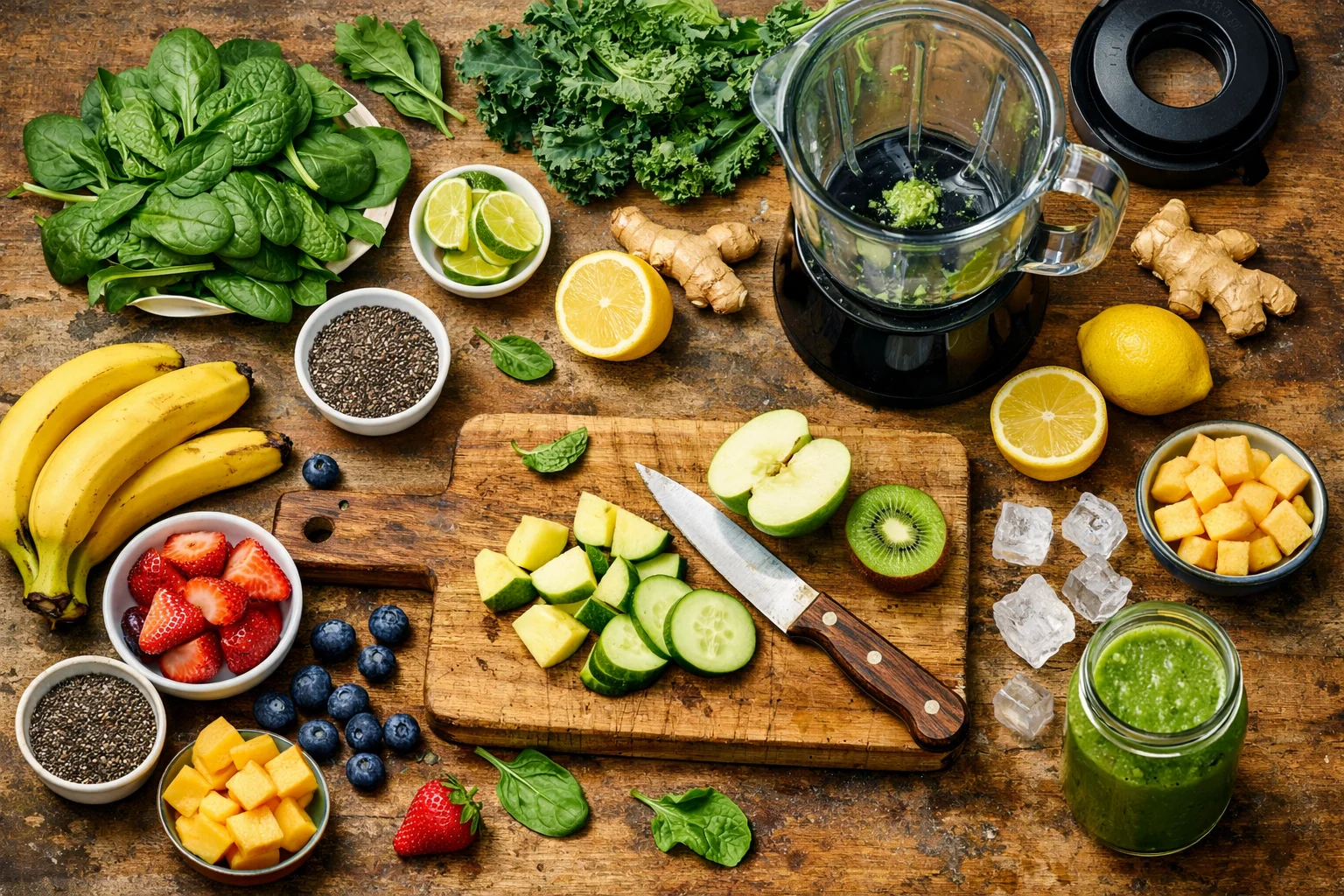
Common Mistakes in Serving Fresh Juice
This is where most of the foam trouble starts, honestly. The juice might be great, but the way we handle it makes it look messy. I have done all of these at least once, usually when I was in a rush.
Foam triggers I see all the time
- Pouring from too high, which pulls in extra air and builds a thicker foam cap.
- Overstuffing the juicer, which makes the machine work harder and whip more air into the juice.
- Using warm produce straight from the counter. Warm juice foams faster and the foam hangs around longer.
- Serving right away without a pause. Sometimes the best “fix” is literally waiting 60 seconds.
- Shaking the jar like it is a cocktail. I know it is tempting. It also makes a foam party.
My favorite low effort trick is to let the juice sit in the juicer pitcher for a minute, then pour slowly down the side of the glass. You will still get some foam, but it is thinner and it settles quicker. If I want it extra tidy, I scoop a little foam off with a spoon. No big deal, no fancy tools.
Also, if you are making juice for friends or family and you want it to look “cafe nice,” choose a naturally clear combo. Pomegranate and apple blends tend to look smooth and rich without a thick foam layer. This fresh pomegranate raspberry apple juice recipe is one I lean on when I want something that pours beautifully.
Quick note for the foam obsessed among us: dealing with foam fresh juice solutions is easier when you accept that a little foam is normal. Your goal is not to eliminate every bubble. Your goal is better texture and a cleaner pour.
“I thought my juicer was broken because my green juice always came out foamy. I tried chilling my produce and pouring slowly like you said, and it made a huge difference. Now it looks like something I would pay for.”
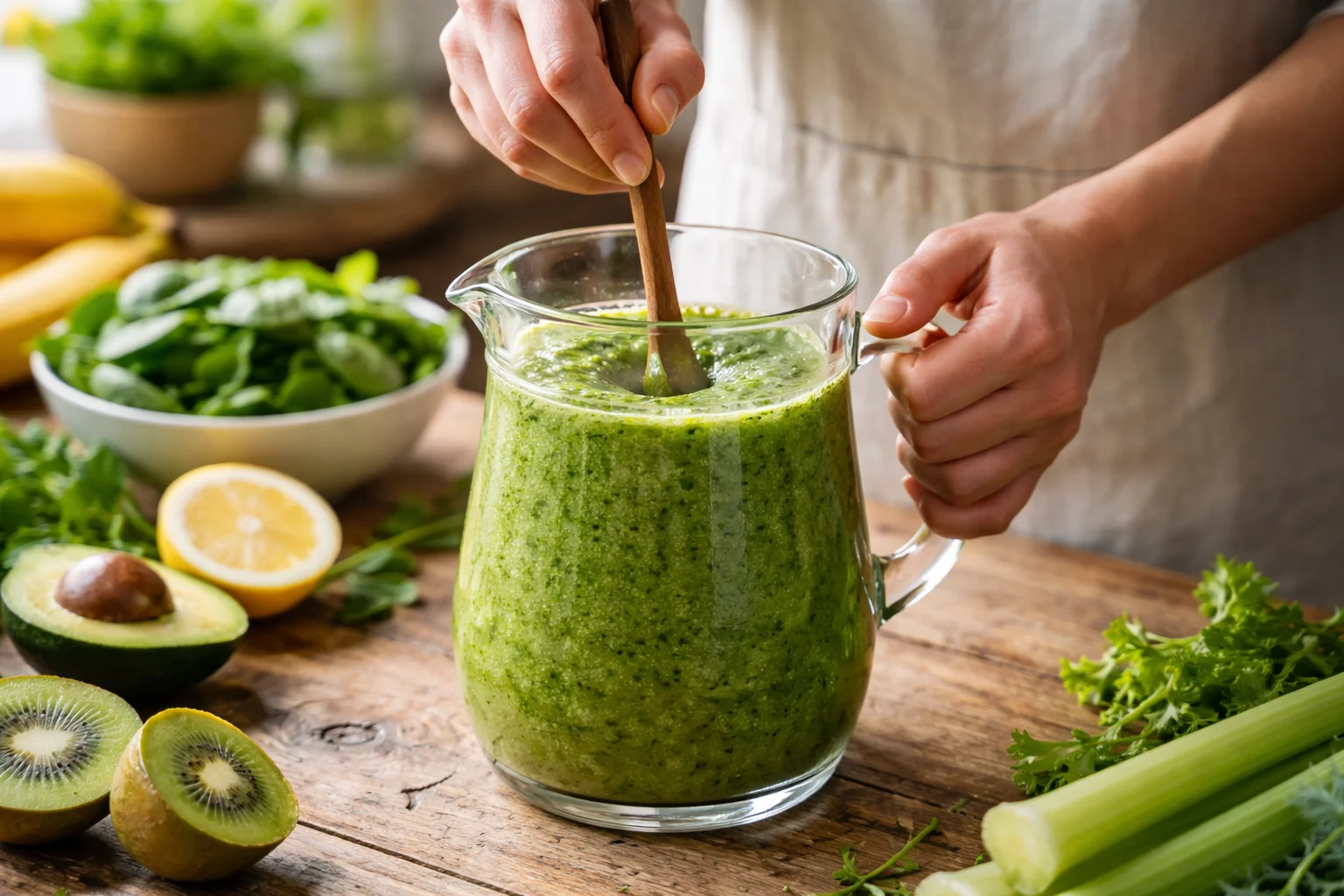
Tips for Choosing Quality Ingredients
If your ingredients are top notch, your juice tastes better and you end up messing with it less. And when you mess with juice less, you whip in less air. That alone helps foam.
Here is what I look for at the store or market:
Go for heavy, firm fruits. Heavy usually means juicy. Soft spots and wrinkly skin often mean the fruit is past its prime, and the juice can taste flat.
Choose crisp produce for cleaner flavor. Limp celery and tired greens can make juice taste muddy, and you will feel like you need to “fix” it with extra stirring or straining.
Smell matters. If berries smell like nothing, they usually taste like nothing. If mint smells strong, it will lift your whole glass.
When I want something super refreshing that still feels special, I make a simple fruit and herb combo. This fresh lychee mint juice recipe warm days is a great example. Mint does not really cause foam, so it is a nice way to add interest without adding more froth.
And if you are using ginger, go fresh and firm. Old ginger gets stringy and can add extra pulp, which can cling to foam and make the top look thicker. I love ginger in winter juices, but I keep it balanced and I do not overdo it.
One small personal habit that helps: I chill my produce. Not frozen, just cold. Cold ingredients slow down foam and keep the juice tasting bright longer. It is one of the simplest dealing with foam fresh juice solutions that does not require any extra gadgets.
Best Practices for Juice Storage
Let’s talk storage, because it affects foam, flavor, and food safety. Fresh juice is best right away, but real life is real life. Sometimes you want to prep for tomorrow or make a bigger batch.
How I store juice so it stays fresh and less foamy
I use a clean glass jar with a tight lid and I fill it almost to the top. Less air in the jar means less oxidation and less “fizzy” foam vibe later. Then it goes straight into the coldest part of my fridge.
My basic rules:
- Store juice in glass when possible, because it stays colder and does not hold odors.
- Fill the container to reduce air space.
- Keep it cold and drink within 24 hours for best taste.
- If it separates, swirl gently instead of shaking hard.
If you open a jar and it smells fermented, tastes sour in a bad way, or looks oddly slimy, toss it. That is not a foam issue. That is a safety issue.
Some juices store better than others. Citrus heavy blends taste sharp for longer, and thick tropical juices can separate more. When I make something creamy and fragrant like refreshing papaya orange lime juice recipe, I expect a little separation and I plan to drink it the same day.
If you are constantly fighting foam the next day, try straining just the top layer of foam before storing. It is not required, but it can help the juice look calmer when you pour it later. Again, dealing with foam fresh juice solutions is often about tiny steps that add up.
Importance of Proper Presentation
I am not saying juice has to be fancy. But I will admit, when it looks good, I enjoy it more. And when I enjoy it more, I actually make it more often. Presentation also helps with foam because you start pouring with care instead of chaos.
My easy “no foam stress” serving routine
First, I choose the right glass. A taller glass makes the foam look more dramatic, so if I know a juice will foam a lot, I use a wider glass. Then I add ice only if the recipe makes sense with ice. Ice can break up foam while you pour, but it can also water things down fast, so I do it when the juice is bold.
Here are a few presentation tricks that really work:
Pour over the back of a spoon. It slows the pour and helps keep the top smoother.
Use a fine mesh strainer only when you want a clearer look. I do this for guests sometimes, not every day.
Add a simple topper instead of obsessing over foam. A lime wheel, a few pomegranate seeds, or a sprig of mint makes it feel intentional.
I also match the garnish to the flavor, so it feels natural and not like I am trying too hard. For a bright pink juice, a couple of berries on a pick looks cute. For green juice, cucumber ribbon is easy and fresh.
When I want a juice that looks like a little party in a glass, dragon fruit is my go to. It is vibrant, mildly sweet, and it makes even a basic day feel less boring. If you want that vibe, try this refreshing dragon fruit lime juice recipe.
One last reminder: foam is more noticeable when the juice is pale. Darker juices hide it better. So if you are serving a crowd and want the easiest win, go for deeper colored blends.
Common Questions
Is foam in fresh juice bad for you?
Nope. Foam is mostly trapped air and tiny bits of pulp. If the juice tastes fine and smells fresh, the foam is usually harmless.
How do I reduce foam fast without tools?
Let the juice sit for 1 to 2 minutes, then pour slowly down the side of the glass. If you still hate it, skim the top with a spoon.
Does cold produce really help?
Yes, in my experience it does. Cold ingredients slow down foaming and make the juice taste crisper.
What ingredients create the most foam?
Leafy greens, apples, pears, and celery are common foam makers. Very fresh produce with lots of natural fiber tends to foam more.
Should I strain my juice to remove foam?
You can, but you do not have to. Straining makes juice clearer and can reduce foam, but it also removes some of the pulp that many people like.
A little pep talk before you juice again
If you take nothing else from this post, remember that dealing with foam fresh juice solutions is mostly about slowing down your process and keeping things cold. Use quality produce, do not overstuff your machine, and give the juice a short rest before serving. Store it in a tight glass jar, and pour gently when you are ready to drink. If you want another smart checklist for serving, I found this helpful: How to Avoid These 5 Fresh Squeezed Juicing Mistakes | Zumex. Now go make yourself a glass, foam and all, and tweak one small thing next time so it gets better every pour.