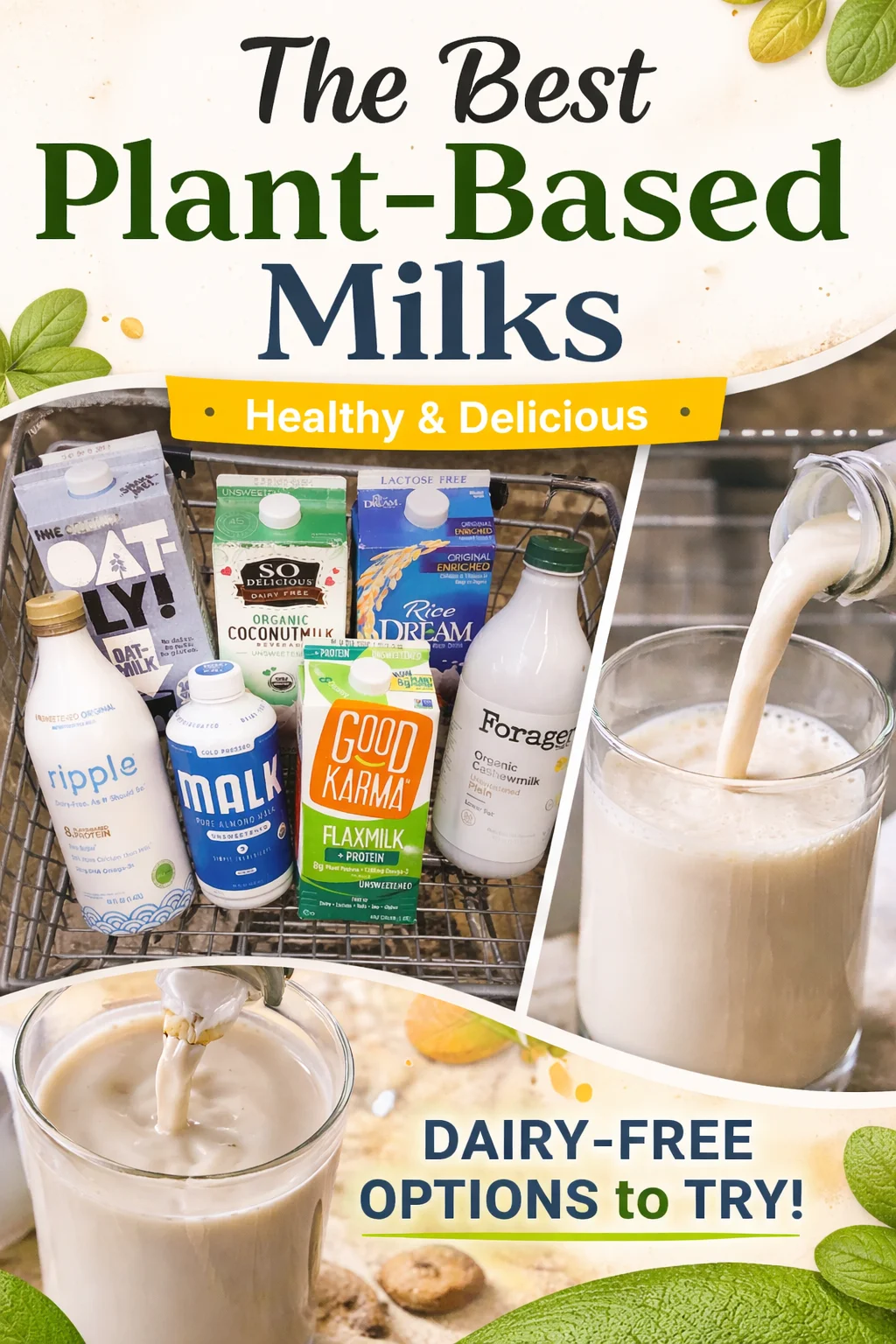
plant based milk nutrition comparison is one of those things I swear I would not need in my life. And then I stood in the grocery aisle staring at ten different cartons like it was a pop quiz. Oat, almond, soy, coconut, pea, cashew, hemp, rice, plus about twelve “barista blends” that all promise creamy magic. If you have ever wondered which one is actually filling, which one has protein, and which one is basically flavored water, you are in the right place. I am going to keep this simple, practical, and based on what I actually use at home. 
Overview of non-dairy milk alternatives
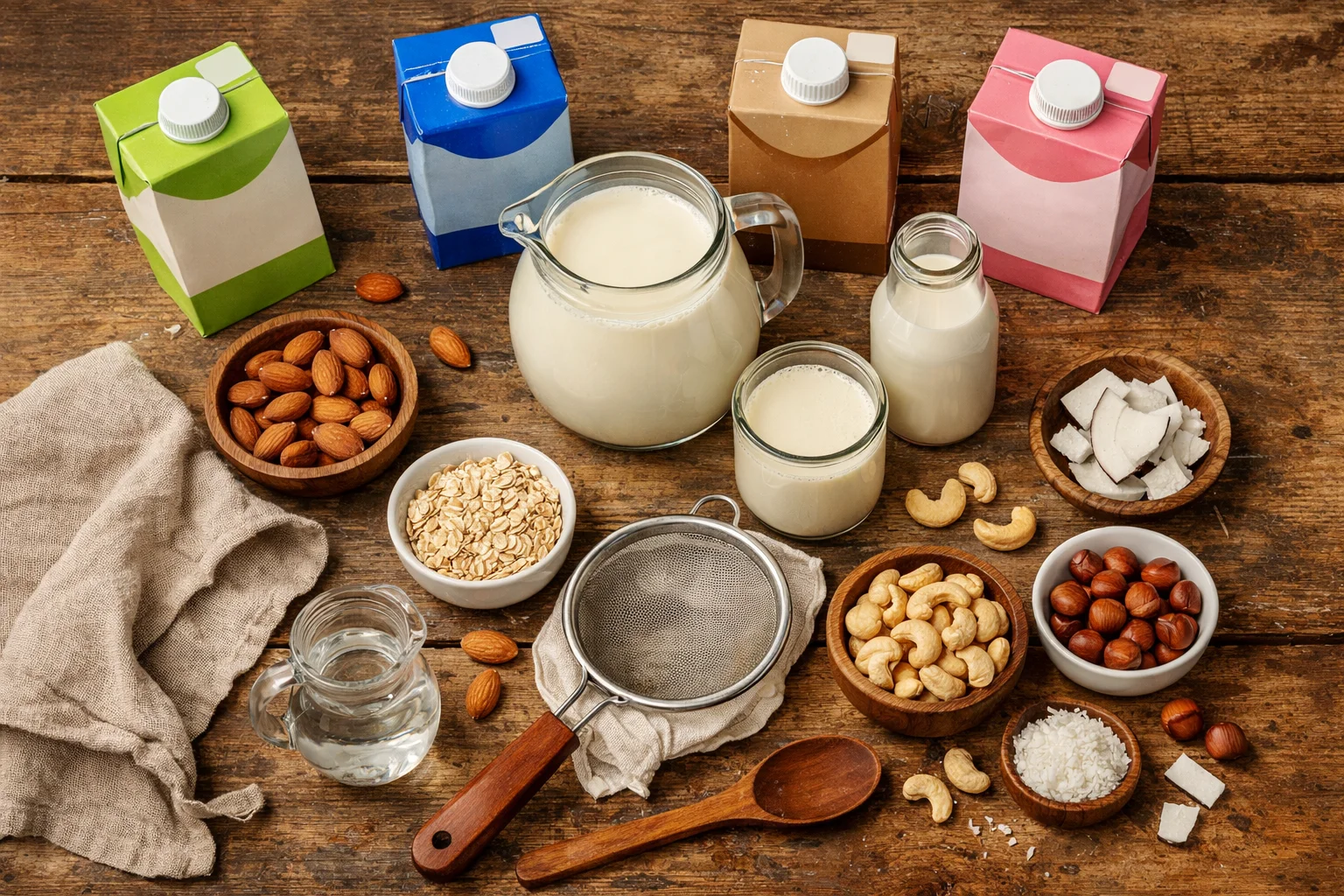
Plant milks are basically blended plants plus water, then strained and fortified. That “fortified” part matters a lot because it is where brands add back calcium, vitamin D, and sometimes B12. Without fortification, many options taste good but do not bring much nutrition to the table.
Here is how I think about the most common types when I am choosing what to buy:
- Oat milk: Creamy, slightly sweet, awesome in coffee and cereal.
- Soy milk: The classic higher protein pick, usually closest to dairy in protein.
- Almond milk: Light and nutty, usually low calorie, but often low protein.
- Coconut milk beverage: Tastes tropical, can be thinner, often lower protein. (Not the canned coconut milk used for curries.)
- Pea milk: Mild taste, often higher protein, tends to froth well.
- Cashew milk: Naturally creamy, often used for a richer vibe in smoothies.
- Rice milk: Very light and sweet, usually higher carb and lower protein.
In my kitchen, I rotate. Oat milk for coffee days, soy for smoothie days, and almond when I want something lighter. If you are into cozy drinks, I also have a soft spot for a warm mug of cozy turmeric golden milk when I want dessert vibes without actually baking anything.
Nutritional comparison of plant-based milks
Ok, let us talk numbers in a way that is actually useful. A lot of people do a plant based milk nutrition comparison and get stuck because every brand is different. So think of this as a “typical carton” guide, and then you will still want to peek at labels for your exact brand.
The big nutrition buckets I care about are: protein, added sugar, calories, and fortification (calcium, vitamin D, B12). Fat matters too, but mostly for texture and fullness.
;
Quick cheat sheet (what I reach for and why)
Soy milk: Usually the winner for protein. If you want something that actually keeps you full, soy is a solid bet. It is also easy to find unsweetened versions.
Pea milk: Often similar to soy in protein, with a mild taste. Great if soy does not agree with you.
Oat milk: Creamy and comforting, but it is typically more carbs and less protein. If you are using it like a treat in coffee, totally fine. If it is your main “milk,” just know what you are getting.
Almond milk: Commonly low calorie, but also low protein. I treat it as a flavorful liquid, not a protein source.
Coconut milk beverage: Often low protein and can be higher in saturated fat depending on the brand. I buy it when I specifically want that coconut taste.
If you want an easy example of how different milks change a recipe, my delicious almond milk golden milk recipe is a good one to play with. Make it once with almond milk, then try oat or soy and notice how the creaminess and sweetness shift.

Health considerations for choosing milk substitutes
This part is where a plant based milk nutrition comparison becomes personal, because your “best” milk depends on what your body needs and what you are using it for.
What to check on the carton (my real life label routine)
I flip the carton and look for:
1) Protein: If it has 0 to 1 gram per serving, it will not help much with fullness. If you rely on it for breakfast, that matters.
2) Added sugar: Unsweetened is my default. Sweetened versions can sneak in a lot of sugar fast, especially if you drink a big glass or use it in smoothies.
3) Calcium and vitamin D: I like seeing calcium around the same ballpark as dairy milk. Vitamin D is a bonus, especially in winter months.
4) Short ingredient list: Some gums and stabilizers are normal, but I avoid options that taste overly processed or upset my stomach.
If you are lactose intolerant, plant milks can be a relief. If you have nut allergies, avoid almond and cashew and look at oat, soy, or pea instead. If you are watching carbs, almond or unsweetened soy may feel easier than oat or rice.
Also, do not forget that how you use milk matters. If you toss it into a smoothie with chia, fruit, and a nut butter, the milk is only part of the nutrition story. I love making balanced smoothies because it reminds me to build the whole cup, not obsess over one ingredient.
“I switched from sweetened oat milk to unsweetened soy for my morning smoothies and I was shocked at how much longer I stayed full. My energy stopped crashing by 11 a.m.”
Environmental impact of plant-based milk production
People often ask if plant milks are always better for the planet. In general, many plant based options use less land and create fewer emissions than dairy, but there are differences between plants too.
Here is the simple version most of us can actually use:
Oat milk: Often seen as a strong all around option with a reasonable footprint.
Soy milk: Can be very efficient, but people worry about soy farming. A lot of global soy production goes to animal feed, not soy milk. Choosing brands that source responsibly can help.
Almond milk: Almonds need a lot of water, and that is the big concern, especially in drought prone regions.
Coconut milk beverage: Coconuts grow in tropical areas, so shipping and farming practices matter.
My personal approach is not perfection. I pick what I will actually drink and not waste, then I try to buy from brands that are transparent when I can. Waste is a hidden footprint too.
And honestly, a lot of my plant milk goes into snacks like chia pudding. If you want a treat that feels like a little café dessert, try strawberry chia pudding with coconut milk. It is one of those recipes that makes you feel like you have your life together even if your sink is full of dishes.
Cost and affordability of milk alternatives
Let us talk money because these cartons are not cheap. Prices vary a lot by brand, region, and whether you buy shelf stable or refrigerated. Barista blends and “extra creamy” versions also tend to cost more.
Ways I keep it affordable:
Buy bigger cartons when I know I will use them quickly, especially oat or soy.
Store brands are often surprisingly good, especially for unsweetened basics.
Use the right milk for the job. I do not pour pricey specialty milk into everything. If I just need a splash, I use the simple one.
Freeze smoothie packs so I do not waste fruit and then feel like I have to “use up” milk fast.
Also, some of the most filling smoothies I make are not fancy. My go to is a prune and oat combo that tastes way better than it sounds, I promise. If you are curious, this nourishing prune oat milk smoothie is great when you want something comforting that still counts as real breakfast.
Common Questions
Is plant based milk nutrition comparison actually important, or can I just pick what tastes good?
You can absolutely pick what tastes good, but checking protein, added sugar, and fortification helps you avoid surprises. Taste plus a quick label check is the sweet spot.
Which plant milk is best for protein?
Soy milk and pea milk are usually the top picks. Almond and coconut beverages are typically much lower.
What is the best plant milk for coffee?
Oat milk is popular because it is creamy and naturally a little sweet. Barista blends froth well, but they can cost more and sometimes have added oils.
Are sweetened plant milks bad?
Not “bad,” but they add sugar fast. If you drink it daily, unsweetened is usually the easier default, then you can sweeten your drink on purpose if you want.
Do kids need a specific plant milk?
If a child is not drinking dairy, it is worth choosing a fortified option and making sure they get enough protein and calcium overall. When in doubt, a quick chat with a pediatrician or dietitian is a smart move.
A simple way to choose and actually enjoy it
If I had to sum up my real life plant based milk nutrition comparison strategy, it is this: pick unsweetened when you can, aim for protein if it is part of a meal, and do not forget calcium and vitamin D on the label. Then choose the one you genuinely like, because the best milk is the one you will use consistently.
If you want to double check some general nutrition numbers, this resource on A Nutritional Comparison of Dairy and Plant-based Milk Varieties is a handy reference. Now go make something cozy with your favorite carton, even if it is just a quick smoothie or a warm spiced mug, and let it be easy.