juicing vs. blending guide. If you have ever stood in your kitchen holding a bunch of kale in one hand and frozen berries in the other, wondering which path will actually make you feel amazing, this is for you. I have bounced between both for years, and there is no one size fits all answer. Think of this as a friendly kitchen chat that helps you pick what works for your energy, routine, and taste buds. For a deeper dive on this topic, I also put together this full comparison with a simple detox juice and smoothie idea that you can try today. Grab your glass, we are going in. 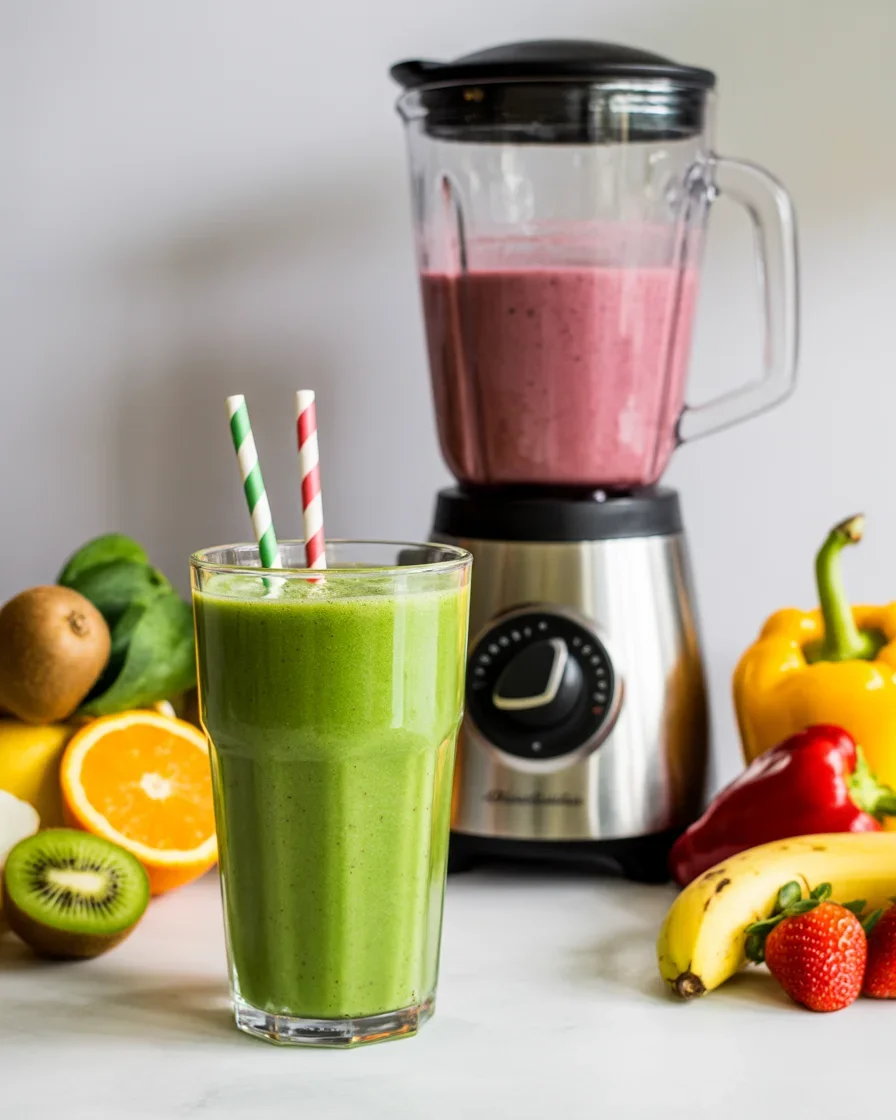
Juicing vs. Blending: Everything You Need to Know
Let me set the stage first. Juicing extracts liquid from fruits and veggies, leaving most of the fiber behind. Blending keeps everything together, fiber included, and turns whole produce into a creamy drink. Both can be part of a healthy routine. Your choice depends on what you want more, quick absorption and a light feel, or a filling, fiber packed glass that keeps you satisfied.
When I first started, I went all in on juice and loved the clean, crisp taste. Later I leaned into smoothies because they kept me full between breakfast and lunch. This juicing vs. blending guide is not about right or wrong, it is about your goals, your schedule, and what you enjoy sipping. If you like building simple habits, I keep fresh tips updated in my Wellness Tips and Guides.
Stick with me and I will help you choose when to juice, when to blend, and how to make each one work like a charm.
What Is Juicing?
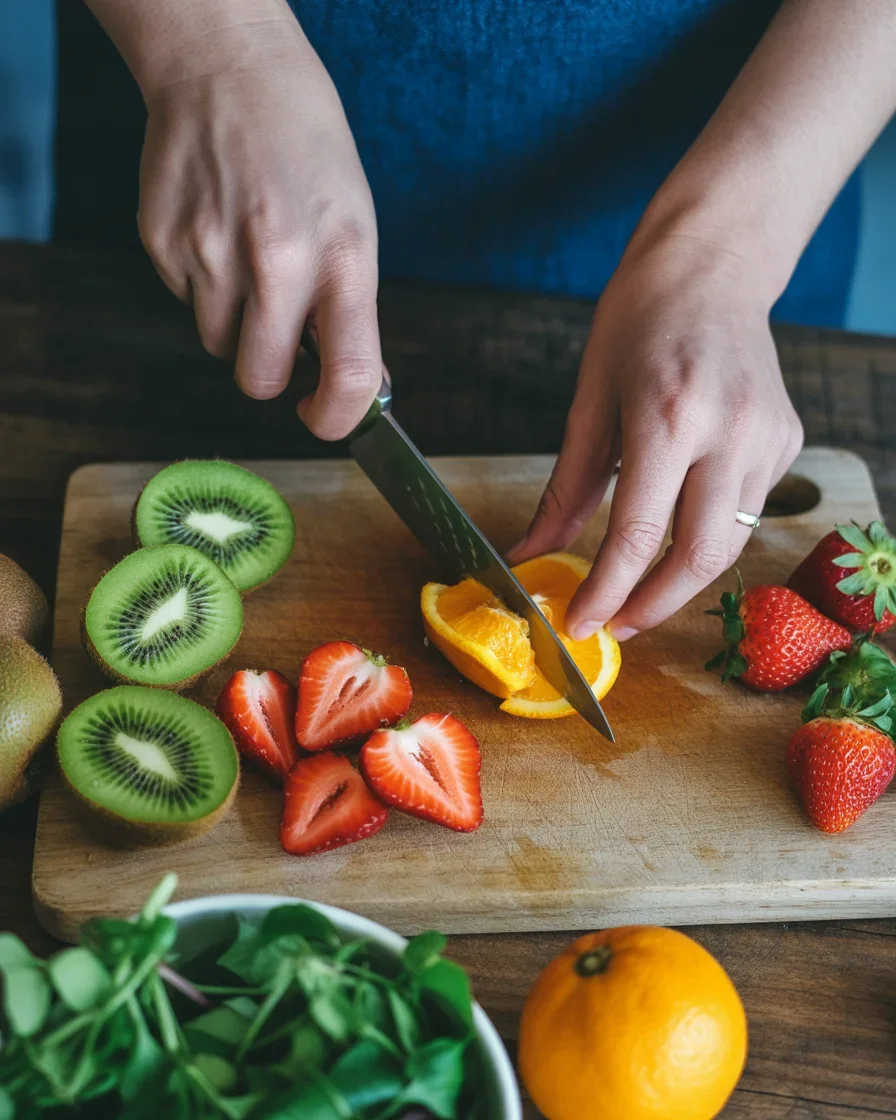
Juicing is the process of pressing produce to pull out the liquid. You get a bright, silky drink that is packed with vitamins and minerals, without the bulk of fiber. It is great when your stomach needs a break or you want nutrients to hit your system fast. If you love clean, fresh flavors and a light feel, juicing can be a happy place.
What you will need
- A juicer, either masticating or centrifugal, whatever you have
- Fresh produce like cucumber, celery, apples, carrots, greens, citrus
- A knife and cutting board
- Optional add ons like ginger, lemon, or herbs
Simple method
- Wash everything well and chop into juicer friendly pieces.
- Run produce through the juicer, start with high water produce like cucumber.
- Taste, add lemon or ginger for zing, then serve over ice.
- Drink right away for the best flavor and nutrient punch.
My quick green go to is cucumber, celery, spinach, and a small tart apple with a squeeze of lemon. It tastes clean and wakes me up gently. If you want to compare it with a smoothie version, you can peek at this simple juice versus smoothie breakdown that I use when friends ask which they should try first.
What Is Blending?
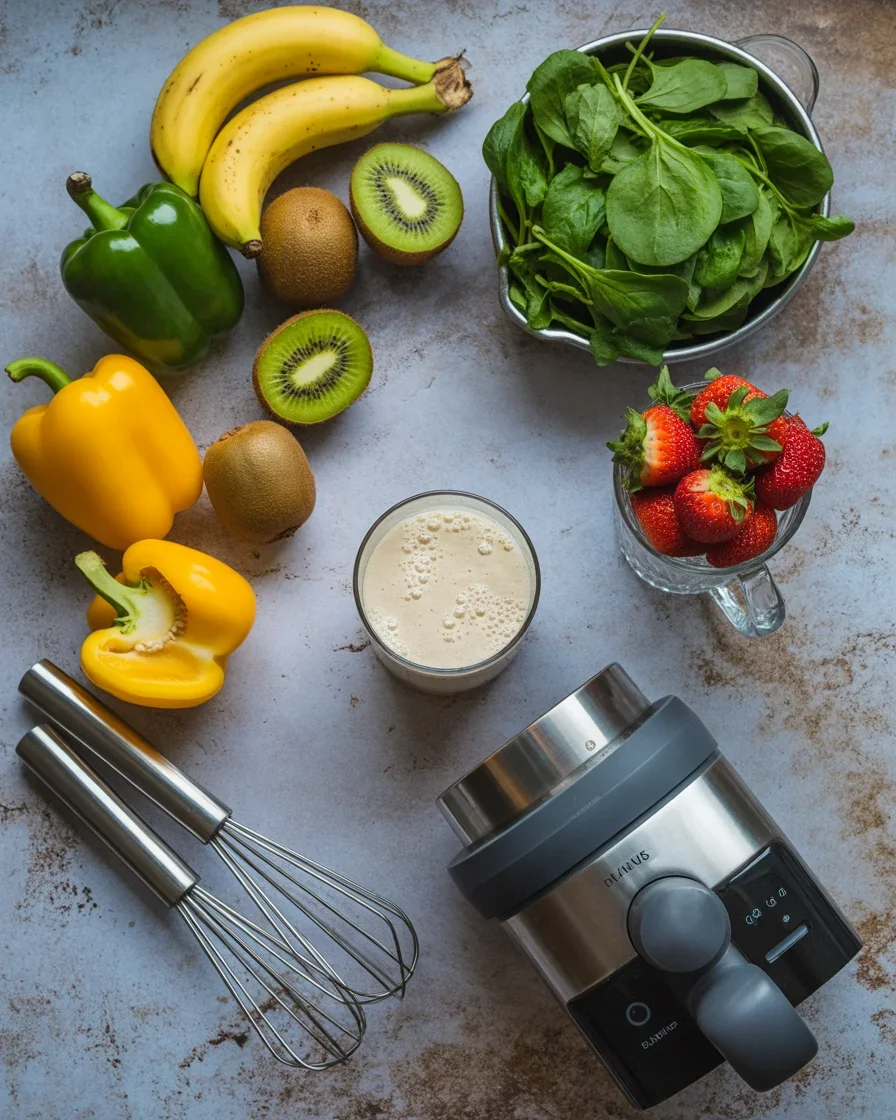
Blending means tossing whole ingredients into a blender with a little liquid and whirling it into a thick drink. You keep the fiber, which helps slow digestion and supports your gut. Smoothies are ideal when you want a satisfying breakfast or snack that carries you through a busy morning or afternoon.
Quick starter smoothie
- 1 cup unsweetened almond milk
- 1 frozen banana or 1 cup frozen berries
- 1 handful spinach or kale
- 1 tablespoon chia or flax
- Optional protein like Greek yogurt or a clean protein powder
Blend until creamy, then adjust with more liquid if it is too thick. The result is a silky, dessertlike sip that keeps you full. I love how flexible smoothies are. You can add oats for extra texture, swap in pineapple for a tropical vibe, or stir in cinnamon for warmth. When I am in a rush, a smoothie is basically a portable meal.
Juicing vs Blending: Key Differences
Here is a friendly, no stress comparison so you can decide what fits your day. This juicing vs. blending guide keeps it simple and practical, because the best choice is the one you will actually use.
Texture and fiber: Juice is light and smooth with little to no fiber. Smoothies are thick and filling with plenty of fiber.
How it feels: Juice feels clean and hydrating, great when you want something gentle. Smoothies feel like a mini meal that carries you for hours.
Speed of absorption: Juice absorbs quickly, which can be nice before a workout or when you want a nutrient boost. Smoothies digest more slowly, which helps steady energy.
Calories and add ons: Juice calories come mainly from the produce itself. Smoothie calories vary with add ons like nut butter, seeds, and yogurt, which can be good for satiety and balance.
Storage and cleanup: Juices are best fresh, and juicers can be a bit more to clean. Smoothies can sit for a short time in the fridge and blenders are pretty quick to rinse. If you are building a weekly routine, browse the ideas in these wellness guides to make it easier.
Who will love juicing
People who want a light sip with a lot of micronutrients, those easing digestion, and anyone who enjoys crisp flavors without the heaviness of a full snack.
Who will love blending
People who want a steady, satisfying drink with fiber, folks with busy mornings, and anyone who likes to pack many ingredients into one cup.
Health Benefits of Juicing
Micronutrient boost. Juicing can pack a large amount of vegetables and fruits into one glass, giving you a fast supply of vitamins, minerals, and antioxidants. If you struggle to eat enough greens, a morning juice can be a helpful nudge.
Gentle on digestion. Since most fiber is removed, juice can feel soothing when your stomach needs a break. I sip green juice when I am recovering from travel or just want an easy start to the day.
Hydration support. Many veggies like cucumber and celery are naturally high in water. A cold green juice on a warm day feels like an instant refresh.
Flavor gateway. Juice can help picky eaters get used to the taste of vegetables. Carrot and orange with a hint of ginger is bright and sweet, and it often wins over skeptical friends.
Pro tip: Pair juice with a small protein rich snack, like a boiled egg or a handful of nuts, if you notice energy dips. That balances blood sugar and keeps you steady. If you are curious about which one to start with, this beginner friendly comparison can help you decide.
Health Benefits of Blending
Fiber for the win. Smoothies keep the fiber from fruits and vegetables. Fiber supports gut health, helps you stay full, and can blunt blood sugar spikes. That is a powerful trio for everyday energy.
Balanced nutrition. It is easy to add protein, healthy fats, and veggies into one blend. A smoothie with spinach, berries, chia, and yogurt gives protein, fiber, antioxidants, and omega 3s in a single glass.
Satiety and habit building. When I need a reliable breakfast, a smoothie is my anchor. It is quick, tasty, and I do not overthink it. That consistency makes healthy eating easier.
Budget friendly and flexible. Frozen produce blends beautifully and costs less. Spinach, berries, and bananas freeze well, which cuts food waste and makes weekday mornings simple.
When readers tell me they stick with smoothies for a month, they usually say their energy is more stable and cravings calm down. That mirrors my own experience too.
After two weeks of simple smoothies for breakfast, I noticed fewer mid morning crashes and my digestion felt so much better. It became the easiest habit to keep. – Jenna, community reader
If you want a side by side taste test, try the options in this juice versus smoothie guide. It shows how both can be delicious and useful depending on your day.
Common Questions
Q: Which is better for weight management, juice or smoothies?
A: It depends on your style. Juice is light and low fiber, so it may not keep you full for long. Smoothies include fiber and protein add ons, which can help with fullness and steady energy. This is where the juicing vs. blending guide mindset shines, pick based on your goals for the day.
Q: Can I replace meals with juice?
A: I do not recommend replacing regular meals with juice for long stretches. Juice is nutrient dense but low in protein and fiber. If you want a meal replacement, a balanced smoothie is usually a better option.
Q: Do juices spike blood sugar?
A: They can if fruit content is high and there is no fiber present. To minimize spikes, focus on veggie forward juices and keep fruit modest, like one green apple or a small wedge of pineapple for flavor.
Q: What if I have a sensitive stomach?
A: Many people with sensitive digestion find juice easier to handle since it is low in fiber. Start small, sip slowly, and notice how your body responds. You can also blend very smooth low fiber smoothies with peeled fruit and seeds for a gentle option.
Q: How often should I have them?
A: A few times a week is a great place to start. I like juice on light mornings or before a workout, and smoothies as breakfast or an afternoon pick me up. Mix and match as your routine shifts.
My Takeaway for Your Kitchen
Here is my bottom line. Use this juicing vs. blending guide to choose what helps you feel your best today. Lean on juice for a clean, hydrating nutrient lift. Count on smoothies for satisfying, fiber rich meals that keep you steady. If you want extra reading, the breakdown from Juicing vs. Blending: Everything You Need to Know and the balanced overview at Juicing Vs. Blending both echo the same idea that the best choice is the one you enjoy and can keep doing. Now go make a glass you love, and if you want more healthy habit ideas, my wellness tips hub is packed with easy inspiration.