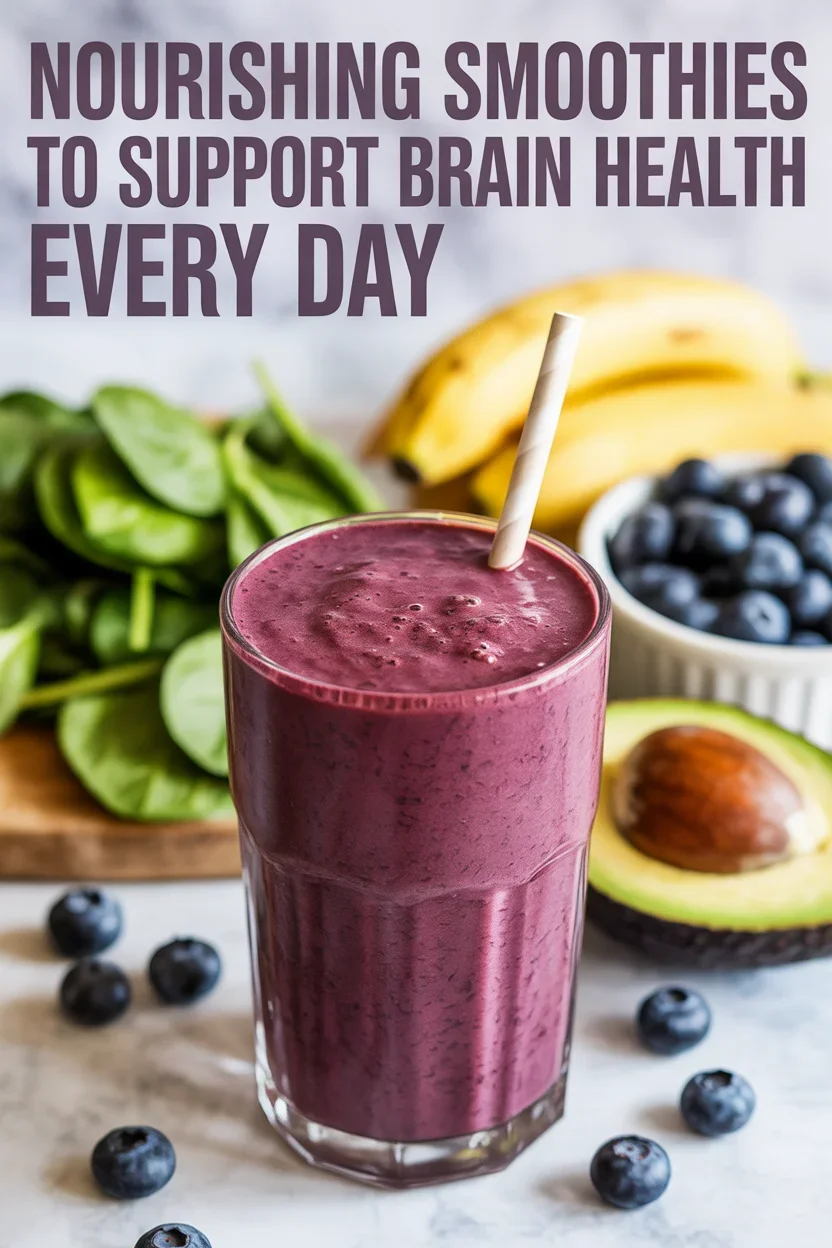
support brain health with smoothies. That is the simple goal that pushed me to clean my blender and get a little nerdy about what fuels focus and memory. If you have ever wondered whether juice or blends give you more benefits, I loved this straightforward breakdown on smoothies vs juice and which is better. For me, the real win is how a smoothie can pack protein, fiber, and healthy fats into one easy cup. I keep it simple, tasty, and repeatable, so it becomes an everyday habit rather than a once in a while project. Today I am sharing my favorite routine for Nourishing Smoothies to Support Brain Health Every Day, plus tips that make them work for real life. 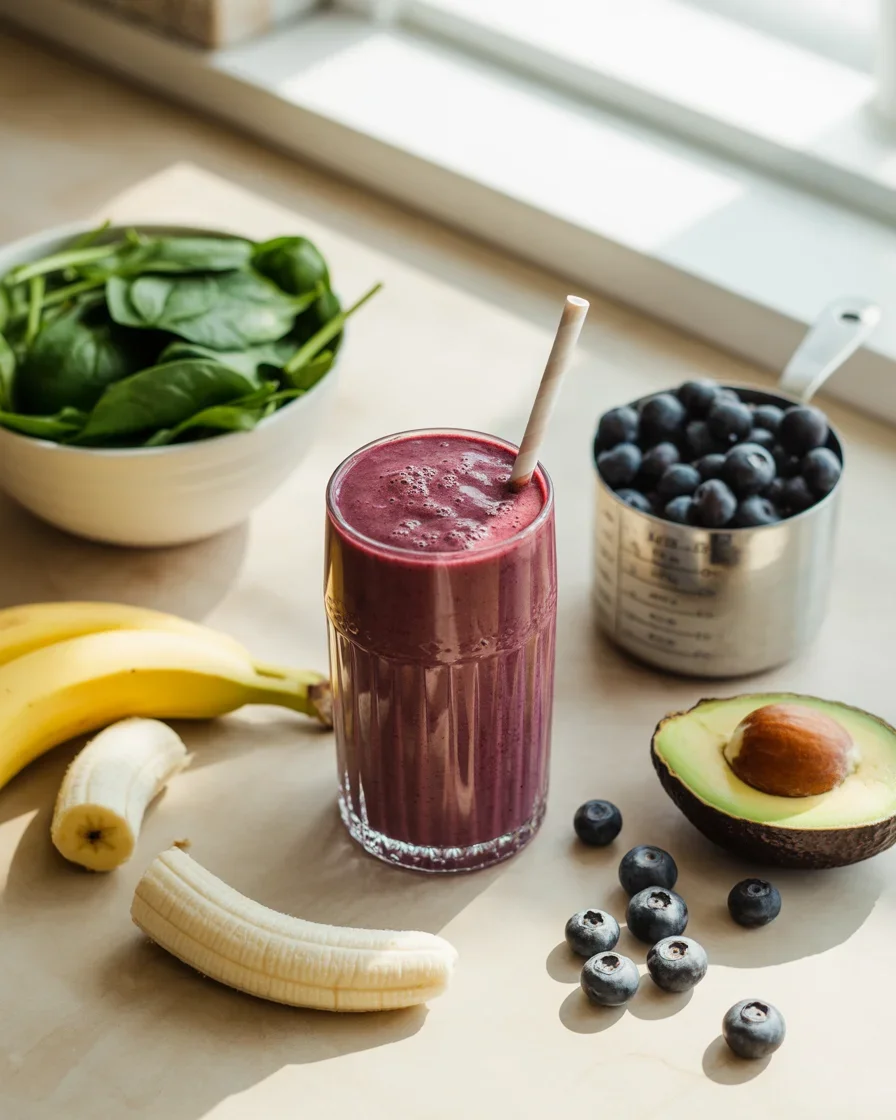
Why Make a Brain Boosting Smoothie
Let me be honest. I am not at my best until I have something cold, creamy, and energizing that I can drink while answering emails. A balanced smoothie checks so many boxes. It is fast. It is gentle on the stomach. And when you add the right ingredients, it can help you feel more focused and steady all morning.
Here is what sold me. A properly built smoothie gives you a steady release of energy instead of a sugar spike. The combo of fiber, healthy fat, and protein supports blood sugar stability, which is tied to concentration and mood. Add in greens and berries for antioxidants, and you have something small that helps your brain show up for you. That is how I stick with Nourishing Smoothies to Support Brain Health Every Day without getting bored.
If you love tinkering with drinks, you might also enjoy browsing more ideas in my healthy drinks collection. It is a fun rabbit hole in the best way.
“I started making a daily green smoothie during a high stress season. Within a week I felt less foggy in the afternoon. It became the easiest habit to keep.”
Make it simple, keep it tasty, and you will actually want it daily. 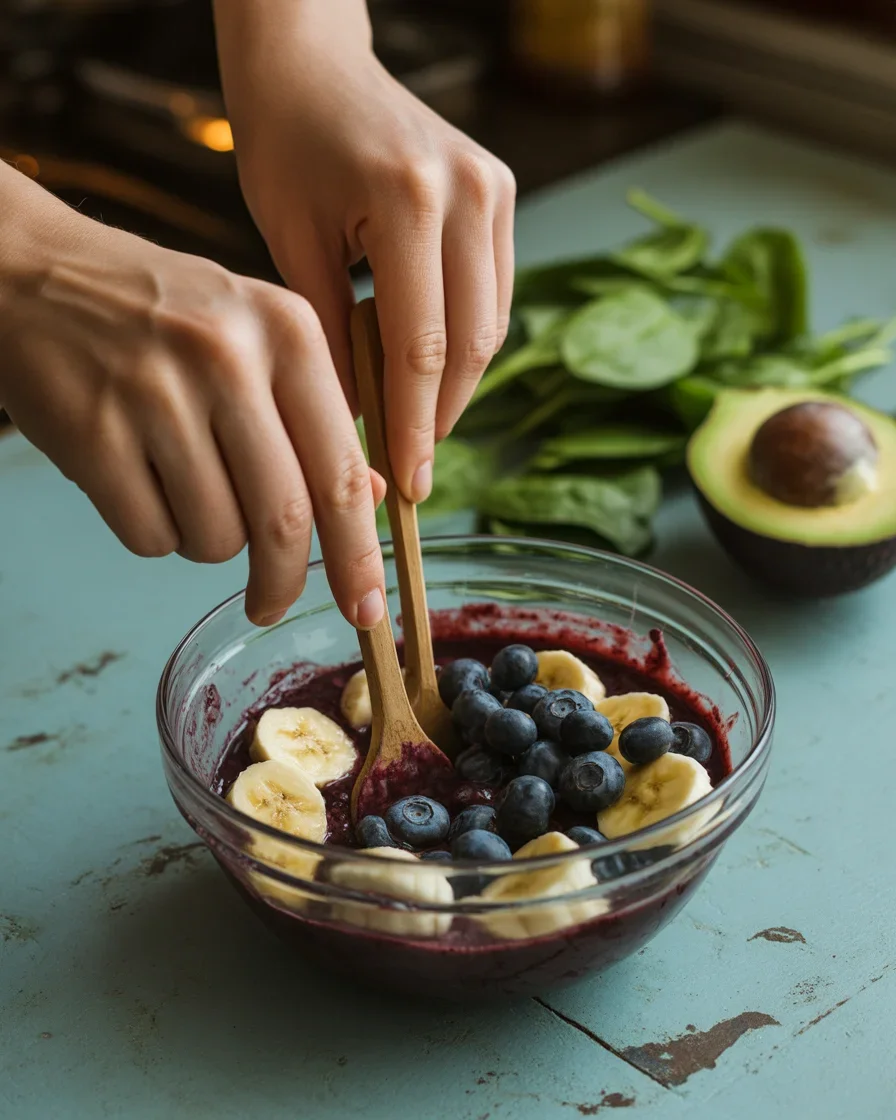
Ingredients in Brain Boosting Smoothies
Here is my go to framework. Mix and match what you have, and you will still land on a creamy drink that supports focus.
- Base: 1 small frozen banana or 1 cup frozen cauliflower for lower sugar
- Greens: 1 to 2 cups spinach or kale
- Healthy fats: 1 tablespoon almond butter or 1 to 2 teaspoons coconut oil
- Omega 3 boost: 1 tablespoon ground flaxseed or chia seeds
- Low sugar fruits: 1 cup blueberries, strawberries, or mixed berries
- Protein: 1 scoop clean protein powder or 3 to 4 ounces Greek yogurt
- Liquid: 1 to 1.5 cups unsweetened almond milk or oat milk
- Extras (optional): pinch of cinnamon, 1 teaspoon cocoa powder, or 1 teaspoon matcha
Quick note on cost. If you think smoothies are pricey, check out this budget friendly green smoothie. Frozen produce and pantry seeds go a long way and still taste great.
Smart swaps for your pantry
No yogurt on hand. Use silken tofu for protein and a creamy feel. No almond milk. Water works, especially if your fruit is frozen and flavorful. No banana. Try half an avocado for creaminess and extra healthy fat. These tiny swaps make it easier to keep up with Nourishing Smoothies to Support Brain Health Every Day.
Flavor builders that help your brain
A pinch of cinnamon can help with blood sugar control. A teaspoon of cocoa brings flavanols that support circulation. A half teaspoon of matcha adds gentle caffeine and L theanine for a calm alert vibe. Small additions, big payoff.
Blend until silky smooth, then taste. Add more liquid if it is too thick or a few ice cubes if you want it frostier. 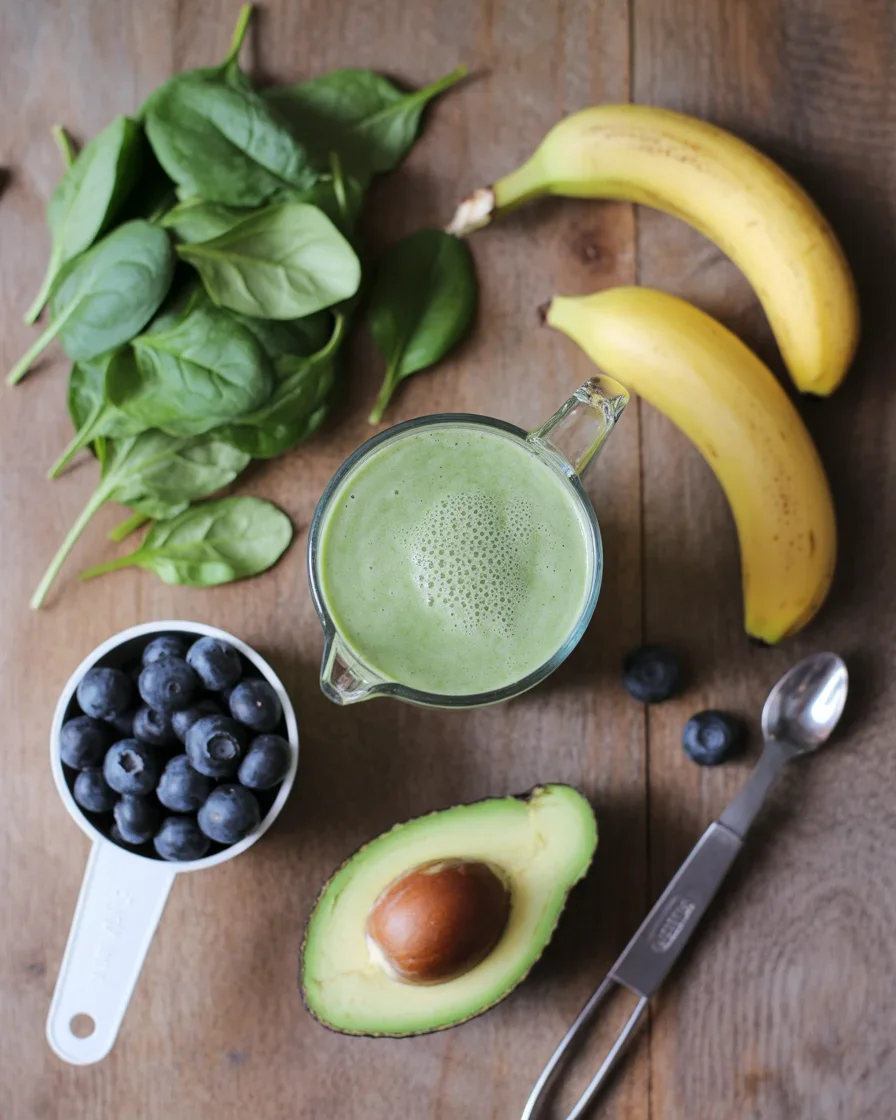
Nutrient-Dense Greens and their Cognitive Benefits
Spinach is my weekday hero. It is mild, tender, and blends without drama. Spinach, kale, and other leafy greens provide folate and lutein. Folate supports cellular function, and lutein is associated with cognitive health. Herbs count too. Tossing in a handful of parsley or mint adds vitamin K and a fresh flavor that wakes the palate.
Kale is moodier but powerful. Strip the stems, use baby leaves when possible, and blend a few seconds longer. Kale is rich in vitamin C and carotenoids that act as antioxidants. These nutrients help the body manage oxidative stress, which can affect brain cells over time. It is a simple way to lean into Nourishing Smoothies to Support Brain Health Every Day without making a big production of it.
If you are working on digestion too, this green smoothie recipe for gut health shows how to layer fiber and probiotics for a happy belly and a happier brain.
A quick prep tip for busy mornings
Freeze greens in flat, zip top bags. Press them thin so they stack like files in your freezer. Grab a handful, toss it in, and go. You can also portion dry mix ins like flax and cocoa in small jars to speed up your weekday routine.
Greens do not need to taste “green.” Pair them with berries, a little vanilla, and nut butter for balance. That subtle sweetness makes it easy to drink daily.
Brain Boosting Smoothie Recipes for Brain Tumor Patients
If you or someone you love is going through treatment, smoothies can be a gentle, nutrient dense option. They are easy to sip, customizable, and you can scale flavors up or down depending on appetite. Always check with your medical team for personalized guidance, especially about supplements or interactions with medications.
Gentle, easy to sip recipes
Calm Berry Blend. Blend 1 cup blueberries, 1 cup spinach, 1 tablespoon ground flaxseed, 3 to 4 ounces Greek yogurt, 1 cup almond milk, and a drizzle of honey if needed. This one is creamy and not too sweet. You can reduce fiber if a softer texture is needed by using strained yogurt or adding more liquid.
Comfort Vanilla Shake. Blend 1 small banana, 1 tablespoon almond butter, 1 cup oat milk, 1 scoop unflavored protein, a pinch of cinnamon, and a splash of vanilla. Add ice if you want it colder. It is soothing, easy to tolerate, and a good base if taste changes are a challenge.
Hydration can be tricky during treatment. Fermented drinks like kefir or coconut water kefir can support gut balance if they fit your plan. Here is a simple option to explore with your team: easy coconut water kefir. Always introduce new foods slowly and keep notes on how you feel.
Practical tip. Temperature and texture matter. If cold drinks are uncomfortable, let your smoothie sit 5 to 10 minutes before sipping. If textures feel too thick, blend longer and add more liquid for a thinner, smoother drink.
Even small sips count. Aim for steady nourishment throughout the day, and celebrate wins. This is still Nourishing Smoothies to Support Brain Health Every Day, just tailored for your current needs.
Omega-3 Rich Additions for Cognitive Support
Omega 3 fats are well known for supporting brain health. They help cell membranes stay flexible and play a role in signaling. You do not need much to get benefits, and you can rotate options to keep flavors interesting.
- Ground flaxseed: 1 tablespoon. Mild nutty taste, blends smoothly.
- Chia seeds: 1 tablespoon. Thickens your smoothie and adds fiber.
- Hemp hearts: 1 to 2 tablespoons. Creamy, soft, and a little buttery.
- Walnuts: 2 tablespoons. Toast lightly for deeper flavor before blending.
- Algae oil: few drops if you want a plant based DHA boost.
How to blend for the best texture
If you are adding chia, blend last and drink soon, since it thickens over time. For walnuts, blend with the liquid first to create a smooth base, then add fruit and greens. The right texture makes it easier to keep up with Nourishing Smoothies to Support Brain Health Every Day without feeling like you are working at it.
Common Questions
Q: Can I prep smoothies ahead for the week
A: Yes. Make freezer packs with fruit, greens, and seeds in bags. In the morning, dump into the blender, add liquid and protein, and blend. Or blend a smoothie at night and store it in a sealed jar for the next morning, shaking before drinking.
Q: Do I need protein powder
A: Not always. You can use Greek yogurt, cottage cheese, tofu, or even a pasteurized egg substitute if that is part of your diet. Protein helps you stay full and supports brain function, so include some source.
Q: What if I hate bananas
A: Use frozen mango or peaches for sweetness. For creaminess without fruit, use half an avocado or a handful of soaked cashews, plus extra ice for chill.
Q: How do I reduce sugar
A: Lean on berries and skip juice. Add cinnamon or cocoa for flavor without sweetness. Make sure to include fat and protein to balance any natural sugars from fruit.
Q: Is coffee in a smoothie a bad idea
A: It can be great in moderation. Try half a cup of cooled coffee with almond milk, cocoa, a scoop of protein, and ice. The L theanine from matcha is another gentle option if coffee feels too strong.
A Little Wrap Up and a Toast to Your Brain
Small habits add up fast. If you start your morning with a balanced blend, you support energy, focus, and mood without overthinking it. That is the heart of Nourishing Smoothies to Support Brain Health Every Day. For more ideas, this read on the ultimate smoothie for brain health offers another helpful blueprint, and this guide on brain boosting smoothie recipes for brain tumor patients shares sensitive, practical tips if you are navigating treatment.
Start with one simple recipe, adjust to your taste, and keep notes so you can repeat the ones you love. Your blender does not need to be fancy. Your ingredients do not need to be expensive. What matters is that you make it easy to show up for yourself with Nourishing Smoothies to Support Brain Health Every Day.